How to Plan a Trip to New Zealand: Frequently Asked Questions

Updated: February 16, 2026

Milford Sound, fiord with snow capped Mitre Peak on New Zealand’s South Island

Milford Sound, New Zealand

Planning a trip to New Zealand requires a strategic approach to geography, seasonality, and local customs. Whether your goal is to witness the marine life of Kaikōura, explore the ancient Māori heritage of the North Island, or indulge in the sophisticated culinary scene of Auckland, understanding the logistical framework of this South Pacific nation is essential.

New Zealand is a land of diverse ecosystems and a well-constructed itinerary balances the country's famous landmarks with secluded, high-end retreats. Each choice you make shapes the cadence of your journey, from the salt-laden breeze on the coast to the crisp alpine air in the Southern Alps. Between headline sights, you might arrive at a glass-walled lodge where the scent of wild thyme drifts through open doors and a fire crackles softly in the lounge or step onto a deck warmed by late-afternoon sun with views of mist rising off a distant lake.

Extraordinary travel begins with a human touch. At Zicasso, our New Zealand travel specialists use their local expertise and deep connections to craft a seamless, personalized itinerary tailored to your specific desires, ensuring every detail of your southern hemisphere journey is handled with care. From hand-selecting suites with the softest linens and best sunset views to securing private tastings, after-hours access, and the most knowledgeable local guides, they curate not just where you go, but how it feels at every step.

When is the Best Time to Visit New Zealand?

The most favorable conditions typically occur during the summer months of December through February, though the shoulder seasons of fall (March to May) and spring (September to November) offer mild weather and more manageable crowds. Because the archipelago encompasses several climate zones, the "perfect" time is dictated by your interests. You may prefer the soft, diffused winter light over snow-laden peaks, while another traveler might seek spring’s explosion of wildflowers and lamb-dotted hillsides.

  • Summer Peaks: Enjoy extended daylight for late-evening terrace dining overlooking the Pacific. As the sky fades from peach to deep indigo, you can linger over grilled crayfish and Marlborough sauvignon blanc, the sound of gentle surf in the background.
  • Autumn Harvest: Witness the golden transformation of the vine leaves in southern valleys. Crisp leaves crunch underfoot as you walk between rows of vines, the air cool on your skin and perfumed with the faint sweetness of fermenting grapes.
  • Winter Peaks: Secure exclusive mountain access for world-class skiing and cozy lodge fires. After a day on powder-soft slopes, sink into a leather armchair beside a blazing hearth, hands wrapped around a glass of pinot noir as snowflakes drift past the window.
  • Spring Bloom: Observe the vibrant rebirth of the ancient podocarp forests and meadows. The landscape feels washed clean, with waterfalls in full flow, birds in full song, and hillsides carpeted in fresh greens and delicate blossoms.
  • Whale Migration: Track the migratory paths of humpback whales through deep coastal canyons. The sharp scent of the sea, the slap of a tail on the surface, and the sudden plume of breath rising in the cool air create a spine-tingling encounter with the wild.

For further details, see our guide on the Best Time to Visit New Zealand.
How Many Days Should I Spend in New Zealand?

To truly absorb the topographical shifts from the subtropical north to the subantarctic south, a stay of 14 to 21 days is recommended. This duration allows for a balanced pace, ensuring you can transition from the maritime hubs of the north to the rugged fjords of the south without feeling rushed. It also gives you the freedom to build in quiet pockets like an unscheduled afternoon by the fire, a spontaneous spa treatment, or an extra glass of wine as the sun sets.

  • Two-Island Balance: Spend a fortnight transitioning from maritime bays to rugged glacial valleys. Feel the humidity shift from warm, salty air on the Bay of Islands to cool, pine-scented breezes as you approach Fiordland’s towering cliffs.
  • Slow Travel: Dedicate a full week to one region for deeper environmental connection. This lets you notice subtler details, such as the changing color of a lake at different times of day, the particular sound of rain on a corrugated iron roof, or the way locals greet you by name after a few days.
  • Private Aviation: Use chartered flights to bypass commercial hubs and save valuable hours. Step from a quiet lounge onto a waiting aircraft, trading airport crowds for the soft hum of engines and panoramic views of braided rivers and snow-capped summits.
  • Extended Discovery: Allocate 21 days to include remote reaches like the Catlins. Here, windswept headlands, roaring surf, and empty beaches create a sense of being at the very edge of the world, with only seabirds and sea spray for company.
  • Regional Immersion: Focus on three primary locations to minimize transit and maximize engagement. By staying longer in each place, you build relationships with hosts, recognize familiar faces in village cafés, and feel a sense of temporary belonging rather than transience.

Our How to Spend 14, 18, or 21 days in New Zealand guide has further information to assist you.

What are the Most Popular Destinations in New Zealand?

The New Zealand itinerary is anchored by regions that offer a high density of fine dining, architectural lodges, and curated experiences. These locations serve as the cultural and geographic pillars of the country. From the flicker of city lights reflecting on harbor waters to the hushed silence of alpine valleys, each destination adds a different texture to your journey.

  • Urban Hubs: Experience the hatted restaurants and designer boutiques of Auckland and Wellington. Evenings here might mean cocktails in rooftop bars scented with citrus and herb garnishes, followed by tasting menus that showcase native ingredients with international finesse. You might find yourself enjoying charcoal-grilled line-caught snapper brushed with kawakawa oil and paired with a chilled Marlborough sauvignon blanc.
  • Alpine Center: Use Queenstown as a base for high-altitude adventure and mountain exploration. Mornings bring crisp, invigorating air and views of serrated peaks, while evenings glow with the amber light of lakeside fireplaces and the clink of glasses in intimate wine bars.
  • Geothermal Heart: Engage with the rising steam and boiling mud pools of Rotorua. The air carries a distinctive mineral tang and boardwalks weave past plumes of steam that rise ghost-like from the Earth. Nearby spas offer silky, mineral-rich pools for private soaking.
  • Fjordland Grandeur: Navigate the sheer cliffs and dark, mirror-like waters of southern sounds. The silence is punctuated only by waterfalls crashing into deep, inky fjords and the distant call of seabirds circling above towering rock faces.
  • Viticultural Valleys: Sample elite vintages in the sun-drenched plains of Marlborough and Otago. Vineyard lunches stretch into late afternoons, with long tables set under dappled light, glasses catching the sun, and plates filled with local cheeses, olives, and just-picked produce.

Are There Remote Destinations to Avoid the Crowds?

If you prioritize seclusion, New Zealand offers vast tracts of wilderness where the only sound is the call of native birds. These areas are defined by their low population density and high-end, off-grid accommodations. In these regions, luxury is measured in silence, star-filled skies, and horizons unbroken by other travelers.

  • Island Solitude: Visit Stewart Island for a quiet, primordial landscape and rare bird encounters. Mist rises off dense forest at dawn and evenings are lit only by soft lodge lamps and the glow of embers in a stone fireplace.
  • Rugged Coastlines: Explore the Catlins for windswept cliffs, hidden sea caves, and total privacy. The roar of the Southern Ocean, the tang of salt spray on your skin, and the sight of sea lions hauled out on empty sands make each stop feel utterly remote.
  • Inland Tracks: Drive the Forgotten World Highway for a glimpse into the colonial past. Narrow lanes wind between emerald hills and old tunnels, while heritage inns offer hearty meals and stories told beside wood-burning stoves.
  • Southern Sanctuaries: Charter an expedition vessel to the remote and wildlife-rich Subantarctic Islands. Days are spent watching albatross wheel overhead and penguin colonies chatter on shore. Nights bring gourmet dinners in a warm, wood-paneled lounge.
  • Wilderness Lodges: Retreat to private estates in Arthur’s Pass for high-country station life. Wake to the scent of rain on tussock grass, sip coffee on a veranda overlooking mist-filled valleys, and end the day beneath a sky bright with stars.

Does New Zealand Have Good Beaches?

New Zealand’s coastline is a study in contrasts, ranging from the gentle, turquoise coves of the north to the moody, black-sand surf beaches of the west. These beaches are best accessed via private yacht or helicopter for absolute exclusivity. Whether you prefer powder-fine sand warmed by the sun or wild stretches where wind whips the waves into whitecaps, the sensory experience is always vivid.

  • Golden Sands: Anchor in the secluded, sun-drenched bays of Abel Tasman National Park. The water here shimmers in shades of aquamarine and jade, lapping gently at honey-colored sand shaded by native bush.
  • Volcanic Shores: Explore the dramatic, iron-rich black sands of the rugged west coast. Barefoot walks leave your soles warm from the sun-soaked grains, while powerful surf creates a constant, soothing roar.
  • Subtropical Coves: Sail through the Bay of Islands to find private, forest-fringed swimming spots. The scent of native flora mingles with sea spray as you dive into clear, bath-warm water and surface to the sound of distant bird calls.
  • Geothermal Heat: Dig a private mineral pool in the sand at the Coromandel Peninsula. As hot water seeps through fine grains and steam curls into the cool air, you recline in your own natural bath just steps from the ocean.
  • Remote Dunes: Wander the vast, untouched expanses of the northernmost tip at Cape Reinga, where the wind carries stories of two oceans meeting and the towering, pale dunes glow beneath a high, unbroken sky.

Take a look at our Beaches and Volcanoes: Best of the North Island for Families before contacting our travel specialist to customize your trip.

Where Can I See Wildlife in New Zealand?

New Zealand’s isolation has created a unique biological niche. Many high-end lodges are situated within private sanctuaries where guests can assist in the protection of endangered species. Wildlife encounters are often intimate and unhurried, framed by expert guiding and a strong sense of stewardship.

  • Avian Encounters: Spot the rare, flightless kiwi in the dense undergrowth of Stewart Island. Your torch beam catches a flash of feathers and the soft rustle of leaves, while the night air is cool and fragrant with damp earth and ferns.
  • Marine Giants: Observe sperm whales and pods of dusky dolphins in the Kaikōura trench. The boat rocks gently on deep cobalt water as plumes of spray rise around you and dolphins arc through the waves in synchronized bursts of silver.
  • Albatross Colonies: Watch the massive wingspan of the royal albatross on the Otago Peninsula. Standing on a windswept headland, you feel the gusts tug at your jacket as these birds glide effortlessly on invisible currents.
  • Penguin Parades: See the rare yellow-eyed and blue penguins returning to their coastal burrows. As the light fades, tiny shapes emerge from the surf, their calls mingling with the hush of the tide.
  • Ancient Reptiles: Discover the tuatara, a "living fossil," in specialized eco-sanctuaries across the islands. The quiet, contemplative atmosphere and careful interpretation by guides underscore the privilege of seeing such an ancient species up close.

An Intimate Wildlife Tour of Australia and New Zealand will introduce you to many of the species in both countries.

Is New Zealand a Good Place for Wine?

The wine industry in New Zealand is built on a philosophy of "terroir," where the soil and maritime climate produce exceptionally bright varietals. Private cellar-door experiences allow you to meet the winemakers and tastings often unfold in architect-designed spaces with floor-to-ceiling windows looking out over symmetrical rows of vines.

  • Aromatic Whites: Taste the globally renowned, zesty sauvignon blancs of the Marlborough region. Notes of passionfruit, lime, and freshly cut herbs dance on your palate as you gaze out over sunlit, river-threaded plains.
  • Boutique Vintages: Explore the sun-soaked hills of Waiheke Island for award-winning merlot blends. Gravel driveways lead to intimate cellars where polished wood counters, candlelight, and the scent of oak barrels create a cocoon of warmth.
  • Southern Pinot: Sip elegant, complex reds in the high-altitude vineyards of Central Otago. Cool nights and hot days give the wines a nervy freshness, best appreciated as you sit on a terrace feeling the dry, high-country air on your skin.
  • Classic Syrah: Discover the bold flavors and Mediterranean climate of the Hawke’s Bay estates. Olive groves and lavender bushes line the approach to stately wineries where long lunches stretch under pergolas laced with vines.
  • Private Tastings: Engage in masterclasses with senior viticulturists at exclusive, member-only cellar doors. Crystal glasses chime softly as you swirl, sniff, and sip, guided through vintages rarely poured for the general public.

For further inspiration, see our customizable New Zealand wine tours.

Is New Zealand a Good Destination for Families?

New Zealand is a playground for all generations, where travel feels like a grand adventure. From cinematic film sets to interactive wildlife programs, families can bond over shared discovery in a safe environment. Days are filled with tactile experiences like hands in the soil, feet in the sand and eyes wide in glowworm-lit caverns. These become shared stories retold long after you return home.

  • Cinematic Magic: Explore the intricately detailed Hobbiton movie set with a private family guide. Children and adults alike run hands over round doors and moss-covered fences, the scent of fresh grass and woodsmoke drifting from the Green Dragon Inn.
  • Geothermal Wonders: Witness the erupting geysers and bubbling mud pools of the North Island. Warm steam swirls around you as the ground rumbles softly, and vibrant mineral terraces glow in shades of rust, jade, and cream.
  • Glowworm Caves: Navigate the underground star-scapes of Waitomo on a private boat tour. In the hushed darkness, the ceiling above glitters with thousands of bioluminescent pinpricks, reflected in the still, inky water.
  • Adventure Parks: Challenge the family with luge runs and ziplines in alpine Queenstown. Laughter rings out over the swoosh of wheels on tracks and the whistle of wind as you fly over forests and ravines.
  • Beach Exploration: Spend days kayaking through the calm, clear waters of the Abel Tasman. Small hands trail through the water as you glide past golden coves and picnic lunches unfold on warm sand under the shade of pohutukawa trees.

Our sample New Zealand family itineraries have a wealth of information to inspire your vacation.

Is New Zealand Suitable for Senior Travelers?

New Zealand’s infrastructure is designed for comfort and accessibility. Every experience can be tailored to ensure ease of movement, from glass-bottom boat tours to scenic gondola rides. Pace is dictated by enjoyment rather than urgency, with ample time to sit, savor, and simply admire the view.

  • Art Deco: Tour the historic, walkable streets of Napier in a vintage luxury vehicle. Polished chrome, soft leather seats, and swing-era music set the tone as pastel facades and geometric details glide past your window.
  • Museum Collections: Explore the world-class Te Papa Tongarewa in Wellington with a private historian. Quiet galleries, carefully lit exhibits, and thoughtful storytelling invite you to linger over cultural artifacts.
  • Botanical Gardens: Wander the manicured lawns and heritage conservatories of the "Garden City," Christchurch. Gravel paths crunch pleasantly underfoot and the air is fragrant with roses, magnolias, or blossoms depending on the season.
  • Scenic Cruises: Relax on a private overnight vessel through the hushed waters of Milford Sound. You fall asleep to the gentle lap of water against the hull and wake to mist rising from sheer cliffs and waterfalls cascading all around.
  • Gentle Walks: Follow well-maintained forest trails to view ancient kauri trees in the north. Filtered light dapples the ground, birds call from the canopy, and the trunks of these giant trees radiate an almost cathedral-like presence.

Any of our New Zealand tours for seniors can be customized to suit you.

Is New Zealand Suitable for Couples or Honeymooners?

New Zealand is the ultimate destination for shared intimacy surrounded by grand beauty. Whether it is a mountaintop picnic or a private hot tub overlooking a dark sky reserve, the romance is found in the exclusivity. The soundtrack is often just the murmur of a river, the crackle of a fire, and the soft clink of glasses at the end of the day.

  • Private Lodges: Secure a romantic villa with an infinity pool overlooking the Pacific Ocean. Floor-to-ceiling windows frame sunrise over the water and evenings bring candlelit dinners served on terraces scented with sea air.
  • Starlit Proposals: Experience world-class stargazing in the Aoraki Mackenzie International Dark Sky Reserve. Under the dome of a gold-tier sky, the Milky Way stretches above like a luminous river and constellations seem close enough to touch.
  • Sunset Sails: Charter a private yacht for an evening cruise through the Bay of Islands. The deck is warm beneath your feet, the sails glow in the low sun, and a hush falls as the horizon burns orange, then violet.
  • Vineyard Lunches: Enjoy a long, al fresco meal at a private estate in the rolling hills. Glassware sparkles in the sunlight, platters of seasonal cuisine fill the table, and time seems to slow to the pace of lingering conversation.
  • Alpine Seclusion: Retreat to a remote mountain hut for a night under the southern constellations. Woodsmoke curls into the cold air outside, while inside you curl up under thick wool blankets, listening to the muffled stillness of the high country.

Embrace the romance of this spectacular country on our New Zealand tours for couples.

What Food Should I Try in New Zealand?

New Zealand’s culinary scene is a sophisticated blend of indigenous ingredients and global techniques. The emphasis is on "paddock-to-plate" freshness, with chefs sourcing ingredients directly from the surrounding land and sea. Menus read like love letters to local producers, from small-scale cheesemakers to fishers who deliver the morning’s catch directly to kitchen doors.

  • Māori Hāngi: Experience the earthy, smoky flavors of a traditional ground-cooked feast. As baskets of meat and root vegetables are lifted from the steaming pit, the aroma of manuka wood and slow-cooked juices fills the air.
  • Succulent Lamb: Sample world-famous, grass-fed New Zealand lamb prepared with native herbs. Plates arrive with perfectly pink slices resting in rich jus, accented by hints of rosemary, kawakawa, or horopito.
  • Pacific Seafood: Dine on fresh Bluff oysters, green-lipped mussels, and delicate king salmon. Ocean brininess mingles with citrus and herb garnishes, while chilled white wines cut through the richness with refreshing precision.
  • Mānuka Honey: Taste the complex, medicinal sweetness of honey sourced from native mānuka flowers. Its velvety texture coats your tongue with layers of caramel, floral, and slightly smoky notes.
  • Pavlova Delights: Indulge in the national dessert, a light meringue topped with fresh seasonal fruit. The crisp shell gives way to marshmallow-soft center, balanced by tart passionfruit, ripe berries, or sliced kiwifruit.

Zicasso’s Top-Tier Food and Wine Tour of New Zealand will have you tasting your way through the country over 11 days.

Is New Zealand Safe to Visit?

New Zealand is consistently ranked as one of the most secure destinations on Earth. This means a "worry-free" travel experience during which you can focus entirely on the landscape. It also underpins the sense of ease that permeates daily life. Doors are left unlocked in rural areas, chats with locals are friendly, and there is a general feeling of calm.

  • Secure Cities: Walk through the major urban centers with confidence and peace of mind. Streets feel relaxed rather than frenetic and evenings often unfold in well-lit, pedestrian-friendly waterfronts.
  • Predator Free: Explore the wilderness safely, as there are no snakes or dangerous land animals. Hikes are accompanied more by birdsong than by the need for vigilance, encouraging a deeply relaxed immersion in nature.
  • Expert Guiding: Navigate the remote alpine regions with the support of professional, certified guides. Their calm competence, detailed knowledge of the terrain, and quiet storytelling add layers of reassurance.
  • Health Standards: Benefit from high-quality medical infrastructure and clean, potable water nationwide. Knowing you can drink from the tap and access modern clinics if needed adds a subtle but significant comfort.
  • Support Network: Rely on Zicasso’s 24/7 assistance for any logistical or personal requirements. Even in the most remote corners, you travel with the quiet confidence that expert help is only a phone call away.

What Language and Currency Do They Use in New Zealand?

English is the primary language, but the integration of Māori culture means you will often hear traditional greetings. The New Zealand dollar is the official currency and the country is highly digitized. Transactions tend to be swift and seamless, so you can focus on experiences rather than logistics.

  • English Proficiency: Communicate effortlessly with locals, guides, and hospitality staff across the country. Conversations feel relaxed and genuine, often punctuated by humor and warm curiosity about where you have come from.
  • Māori Integration: Learn common phrases like kia ora (hello) to engage with the local culture. Hearing songs and blessings in formal settings adds a resonant, spiritual note to your travels.
  • Digital Payments: Use major credit cards and contactless payments at almost every establishment. A simple tap of your card or phone settles bills in cafés, boutiques, and even many remote attractions.
  • Local Currency: Carry small amounts of New Zealand dollars for rural markets and cafés. Crisp notes and coins emblazoned with native birds and plants add a tactile sense of place.
  • Financial Ease: Access ATMs and currency exchange services easily in all major urban centers. Knowing you can quickly withdraw or exchange cash removes another layer of potential travel friction.

What Vaccinations Do I Need for New Zealand?

Standard routine vaccinations are all that is typically required for entry into New Zealand. The environment is remarkably clean, ensuring a healthy start to your journey. From sparkling tap water to rigorously inspected food standards, everyday details quietly reinforce your sense of well-being.

  • Routine Care: Ensure your standard vaccinations are up to date before departing for the Pacific. A brief consultation with your physician can provide medical clarity and psychological reassurance.
  • Medical Consult: Speak with your physician about your specific itinerary and physical activity level. Trekking in alpine environments, kayaking, or multi-day hikes may warrant personalized advice.
  • No Tropics: Travel without the need for malaria or yellow fever precautions in this climate. Packing becomes simpler without the need for extensive prophylactic medications or specialized gear.
  • Pure Water: Drink safely from the tap anywhere in the country. Refilling a reusable bottle from a lodge’s kitchen tap or a mountain lodge carafe becomes an effortless daily ritual.
  • Professional Advice: Consult the CDC for any updated recommendations for South Pacific travel. Up-to-date online guidance provides a clear framework for any last-minute health considerations.

Which Airports Should I Plan For?

Most international journeys begin in Auckland, a major Pacific hub, but multiple regional airports can be used to maximize time in the most scenic areas. Thoughtful routing can transform travel days into part of the experience, with short flights that double as low-altitude scenic tours.

  • Auckland International: Use this primary gateway for long-haul arrivals and departures from the USA. Floor-to-ceiling windows frame runways against volcanic hills and premium lounges offer showers, quiet corners, and New Zealand wines by the glass.
  • Christchurch Hub: Transition here to begin your exploration of the South Island’s alpine regions. The air feels noticeably crisper as you step outside, with distant mountains hinting at adventures just beyond the city.
  • Queenstown Arrivals: Fly directly into the Southern Alps for immediate access to the adventure capital. As you descend, jagged peaks and a deep-blue lake fill your view, setting an almost cinematic tone for your arrival.
  • Wellington Connections: Use the capital’s airport for easy access to the North Island’s southern coast. A short drive brings you to waterfront promenades, café-lined laneways, and the cultural hub of Te Papa.
  • Regional Strips: Access remote lodges via private small-craft flights and airstrips for ultimate convenience. Landing on grass runways surrounded by paddocks or lakeshore strips beside glassy water feels like being welcomed into a private world.

How to Manage Jet Lag After Arriving in New Zealand

The journey across the Pacific is long, but with a strategic approach, you can minimize travel fog and begin your vacation immediately. Treating the flight as the prologue to your trip, with carefully timed rest, hydration, and light, can dramatically shift how you feel on arrival.

  • Premium Cabin: Book Business or First Class to ensure quality rest on a lie-flat bed. Dimmed cabin lights, plush duvets, and restaurant-style dining elevate the journey into a quietly luxurious retreat between worlds.
  • Morning Light: Spend your first morning outdoors in the Auckland Domain to reset your clock. Sunlight filtering through mature trees, birds calling from the canopy, and locals strolling by help anchor you in the new time zone.
  • Spa Recovery: Schedule a jet-lag recovery massage at your hotel spa upon arrival. Warm oils, expert hands, and soft music ease stiffness from long-haul travel and promote deep, restorative sleep that night.
  • Early Check-In: Arrange for an immediate room arrival to avoid the temptation of mid-day naps. Sliding open balcony doors to fresh air and stepping into a rain shower with local botanical products signals a clean reset.
  • Hydration Ritual: Prioritize high-alkaline water and avoid alcohol during the long-haul flight. Sipping regularly, perhaps with herbal tea in place of wine, keeps your skin and energy levels noticeably steadier.

Understanding Sun Safety and the UV Index in New Zealand

The New Zealand sun is exceptionally powerful due to the clear atmosphere and low pollution. Protecting your skin is a vital part of maintaining comfort throughout your journey. Thoughtful sun care becomes as integral to your daily ritual as choosing which scenic viewpoint to linger at.

  • Peak Intensity: Plan morning tours to avoid the harshest rays between 10am and 4pm. Early outings offer softer light for photography and a gentle warmth that builds slowly as the day unfolds.
  • Index Awareness: Use high-SPF protection even on overcast days, as UV levels remain high. Light cloud cover can be deceptive, with the cool air masking the strength of the sun on your skin.
  • Mineral Protection: Use the high-end sunscreens and wide-brimmed hats provided by luxury lodges. Many properties lay out curated baskets of sun care products beside fragrant towels near pools or on scenic decks.
  • Hydration Focus: Pair your sun safety with consistent hydration during private vineyard walks. Chilled carafes of infused water are often waiting back at your vehicle or lodge.
  • Breathable Style: Wear lightweight linens and silks to stay cool while remaining fully protected. Fabrics flutter in the breeze, keeping you comfortable during long outdoor lunches or coastal strolls.

Connectivity in the New Zealand Wilderness

While urban and coastal areas offer high-speed connectivity, the rugged interior of the South Island requires a more robust approach to communication. Balancing seamless digital access with intentional offline moments can enhance your sense of presence.

  • eSIM Simplicity: Activate a digital data plan upon landing for seamless 5G access in cities. Within minutes of arrival, you can confirm transfers, check weather patterns, and share first impressions with those back home.
  • Remote Gaps: Be aware that deep alpine valleys often lack standard cellular signals. As you drive into narrow gorges or hike into high basins, your phone’s quiet becomes an invitation to look up and outward.
  • Satellite Safety: Rely on your private guide’s satellite phone for expeditions into remote Fiordland. Knowing a lifeline exists in their backpack or vehicle allows you to lean fully into the wildness without anxiety.
  • Lodge WiFi: Enjoy high-speed internet even in off-grid lodges via advanced satellite technology. By night, you may check in with home from a leather armchair near the fire, glass in hand, mountains silhouetted outside.
  • Digital Detox: Use the lack of signal in remote regions as an opportunity to disconnect. Books feel richer, conversations stretch longer, and the soundscape of wind, water, and birds emerges in the absence of notifications.

Should I Drive or Fly in New Zealand?

Navigating New Zealand’s diverse terrain requires choosing between the romance of the open road and the efficiency of the skies. Many itineraries combine both, allowing you to savor iconic drives while bypassing long, less scenic stretches.

  • Private Aviation: Use domestic flights or private charters for quick transit between the islands. Boarding small aircraft directly from a quiet lounge, you rise above braided rivers and patchwork farmland in minutes.
  • Scenic Driving: Rent a luxury vehicle for shorter, iconic stretches like the Crown Range Road. Windows down, you may roll through high passes with golden grasslands on either side and snow-dusted peaks in the distance.
  • Chauffeur Service: Hire a private driver to explore the coastal hamlets at a leisurely pace. You can focus solely on the turquoise bays, whitewashed cottages, and hillside vineyards while someone else handles the curves.
  • Helicopter Transfers: Use seaplanes or helicopters to reach remote island or alpine retreats. The thrill of skimming over water or landing on a secluded ridge becomes a highlight in itself.
  • Hub-and-Spoke: Fly between major regions and use private drivers for localized day exploration. This structure keeps your travel days light while preserving time for unscripted detours and spontaneous stops.

Is Luxury Rail Better Than Private Aviation in New Zealand?

Both offer exclusivity, but they cater to very different travel philosophies. The choice comes down to how you want to pace your discovery. Do you prefer to linger over landscapes with a glass of wine in hand or to touch down quickly in multiple distinct environments?

  • Scenic Pacing: Choose the TranzAlpine rail for a meditative journey through the Southern Alps. Large picture windows frame towering peaks, deep gorges, and river valleys as you move in a gentle sway.
  • Time Efficiency: Opt for private aviation if you wish to see multiple regions in 10 days. You trade hours on the road or tracks for more time soaking in hot tubs, tasting wine, or hiking to panoramic viewpoints.
  • Coastal Views: Select the Coastal Pacific rail for stunning vistas of the Kaikōura coastline. On one side, waves crash against rocky shores; on the other, vineyards and rolling hills glow in changing light.
  • Bespoke Paths: Use private jets to land at remote airstrips directly adjacent to luxury lodges. Stepping down onto the tarmac, you might be greeted by lodge staff with warm smiles and chilled sparkling wine.
  • Social Lounge: Enjoy the premium viewing carriages and local wine service on luxury train routes. Soft upholstery, generous legroom, and the low murmur of fellow travelers create an elegant, club-like atmosphere.

Zicasso’s Best Way to Travel Around New Zealand has more details to guide you.

How to Engage in Respectful Indigenous Cultural Immersion

New Zealand’s Māori culture is a living, breathing part of daily life. Engaging with it through a luxury lens means prioritizing authenticity and deep respect. True richness here lies not in opulence, but in the privilege of being welcomed into spaces usually reserved for community.

  • Private Welcomes: Participate in an intimate Pōwhiri ceremony led by local indigenous elders. The powerful cadence of karanga (calls of welcome), the stomp of haka, and the warmth of hongi (pressed noses) leave a lasting emotional imprint.
  • Ancestral Sites: Visit secluded Māori rock art sites or historic Pā (fortified villages) with private guides. As you stand on windswept ridges or in quiet valleys, stories of migration, conflict, and guardianship animate the land around you.
  • Traditional Arts: Learn about the significance of greenstone carving from a master artist. The cool, smooth stone warms in your hand as you listen to the meanings behind each curve and pattern.
  • Māori Gastronomy: Experience a private tasting of native ingredients with an indigenous chef. Smoky hāngi flavors and seaweed crisps appear like edible stories on each plate.
  • Cultural Protocols: Follow local customs under the guidance of your specialist to ensure total respect. From removing shoes at the right moment to joining in songs when invited, the etiquette becomes part of the richness of the experience.

How to Engage in Regenerative and Sustainable Travel in New Zealand

Travelers are increasingly focused on regenerative travel. In New Zealand, this ethos is intertwined with local initiatives that protect landscapes, wildlife, and cultural heritage.

  • Conservation Participation: Assist in native bird protection programs at coastal eco-lodges. You might plant young natives in sandy soil, listen to the distant crash of waves, and later hear increased birdsong thanks to predator-control efforts.
  • The Tiaki Promise: Follow this local commitment to care for the land, people, and culture. Simple acts like staying on marked trails, supporting locally owned businesses, and respecting sacred sites accumulate into meaningful impact.
  • Farm-to-Table: Dine at estates that lead in regenerative farming and biodiversity. Pasture-raised meats, heirloom vegetables, and heritage grains appear on plates that tell the story of soil health and ecosystem balance.
  • Carbon Offsetting: Use private aviation providers that prioritize sustainable fuel and offsetting programs. Knowing that emissions are being thoughtfully mitigated adds a layer of responsibility to the convenience of air travel.
  • Direct Impact: Select tours that ensure economic benefits go directly to local conservation efforts. Guides explain how your presence funds traplines, habitat restoration, or cultural education for local youth.

Can I Take a Private "Lord of the Rings" Location Tour?

For those wishing to see Middle-earth through a luxury lens, the focus shifts from general sets to private, restricted location access. The landscapes feel both familiar and otherworldly, especially when experienced without crowds.

  • Exclusive Access: Visit private stations near Glenorchy to see remote film locations away from crowds. Gravel roads lead to broad valleys where snow-capped peaks ring golden tussock plains, and you can pause in silence where scenes once played out.
  • Artisanal Insights: Arrange visits with conceptual artists or craftspeople involved in the film production. Holding hand-drawn sketches, props, or costume elements brings a tactile dimension to the cinematic world.
  • Aerial Perspectives: Charter a flight over the Southern Alps to view iconic cinematic landscapes. Jagged ridgelines, glacial lakes, and sinuous rivers unfurl beneath you like a vast, living map of Middle-earth.
  • Bespoke Storytelling: Engage a guide with deep knowledge of the production history and local lore. Anecdotes about long days on set, weather challenges, and cast interactions bring human texture to the epic scenery.
  • Film-Set Dining: Enjoy a private dinner at the Green Dragon Inn within the Hobbiton set. Lantern light flickers on wooden beams, mugs of ale or cider clink, and hearty plates are served beside a crackling hearth.

Delight your children and yourselves by booking our Lord of the Rings New Zealand Tour Package.

Where are the Best Private Geothermal Experiences?

Beyond the public parks, New Zealand offers sophisticated ways to engage with its volcanic heart through privacy and traditional wellness. Here, heat, mineral water, and steam are woven into rituals that soothe the body and quiet the mind.

  • Indigenous Wellness: Visit high-end, Māori-owned facilities that integrate ancestral healing with thermal bathing. Guided journeys move you through hot pools, steam rooms, and mud rituals imbued with cultural narrative and intention.
  • Lakeside Access: Stay at secluded estates offering boat-only access to natural, heated waters. You arrive across mirror-calm lakes, step onto private jetties, and slip into steaming pools with only birds and distant hills for company.
  • Crater Expeditions: Take a private helicopter to a volcanic summit for a guided rift walk. Warm ground underfoot, fumaroles hissing nearby, and views over craters and lakes remind you of the planet’s raw power.
  • Secluded Soaks: Find "secret" hot springs in the forest with the help of a private guide. You follow narrow tracks scented with damp earth and foliage to pools where steam curls between tree trunks.
  • Thermal Spas: Use the world-class geothermal spa facilities available at elite North Island lodges. Infinity-edge mineral pools, quiet relaxation lounges, and treatment rooms with floor-to-ceiling windows create a cocoon of restorative calm.

Enjoy any number of geothermal experiences when you embark on our customizable Endless Natural Splendors of New Zealand Vacation.

Can I Arrange Private Stargazing and Night-Sky Tours?

New Zealand is a global leader in "noctourism," home to some of the world’s most protected and clear night skies. Far from city glare, the heavens feel profoundly three-dimensional, and time seems to slow beneath the stars.

  • Dark Sky Reserves: Visit the Aoraki Mackenzie reserve for professional-grade astronomical viewing. The Milky Way appears as a luminous band overhead, and powerful telescopes reveal planets, clusters, and nebulae in exquisite detail.
  • Private Observatories: Arrange an after-hours session at a mountain observatory with an expert astronomer. Red lights, softly spoken explanations, and the quiet whir of rotating domes give the experience a hushed, almost sacred atmosphere.
  • Southern Lights: Track the Aurora Australis from the southernmost reaches of Stewart Island. Curtains of green and purple may ripple across the horizon, reflected faintly on dark water below.
  • Constellation Storytelling: Learn about Māori celestial navigation during a private starlit dinner. As each constellation is pointed out, stories of voyaging, seasons, and spiritual guidance unfold between courses.
  • Astro-Photography: Engage a professional photographer to capture the Milky Way over your lodge. While you stand wrapped in a blanket, cameras click long exposures that later reveal skies richer than the naked eye can perceive.

Visiting a Dark Sky Reserve is among our Top Things to Do in New Zealand with Family.

Plan Your Trip to New Zealand

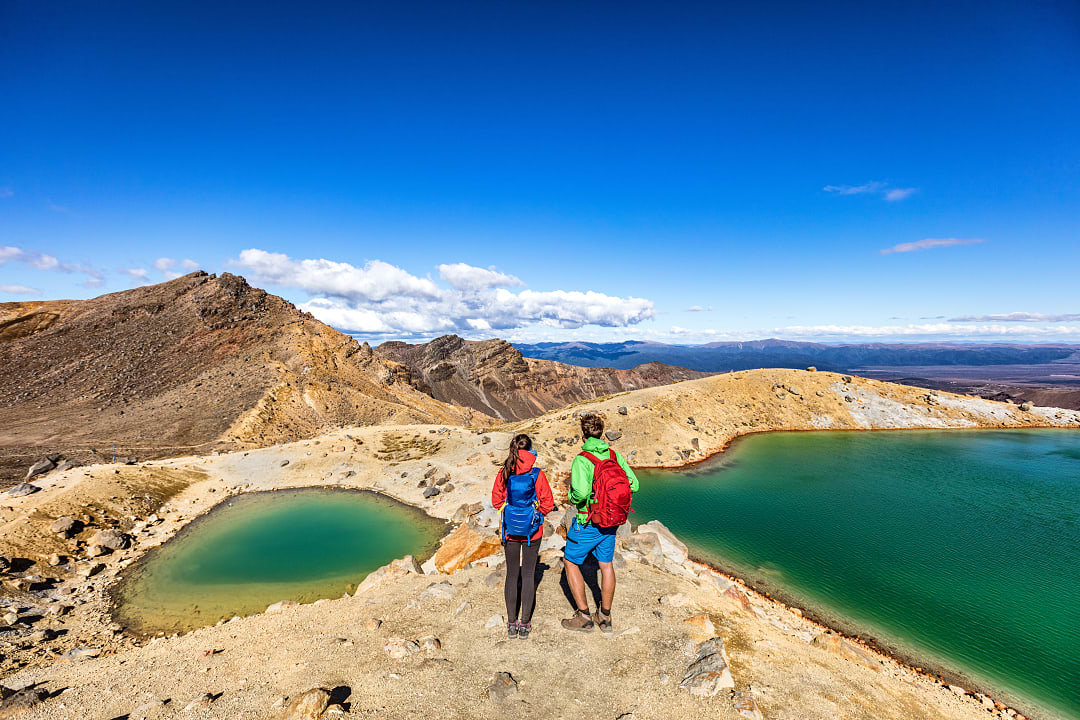
Hiking the Tongariro Alpine Crossing in in Tongariro National Park, New Zealand
Tongariro Alpine Crossing in Tongariro National Park, New Zealand

A journey through New Zealand is defined by a connection to the landscape, where the traditional boundaries of luxury are replaced by a focus on space, silence, and stewardship. By prioritizing private access, whether to a secluded vineyard in Central Otago or a starlit ridge in the Southern Alps, you ensure that your transit through these islands remains personal and purposeful.

At Zicasso, we believe the most meaningful travel occurs when logistical precision meets local insight. Our specialists are dedicated to crafting an itinerary that respects your time and your curiosity, allowing you to experience the raw power of the South Pacific with the comfort and exclusivity that modern exploration demands. For more inspiration, take a look at our New Zealand tours and vacations. Further information on visiting the country can be found in our New Zealand travel guide.

30,000+ Verified Traveler Reviews