High Season: June • July
Average Summer Temperatures in Madrid: 86-93°F Highs • 61-66°F Lows
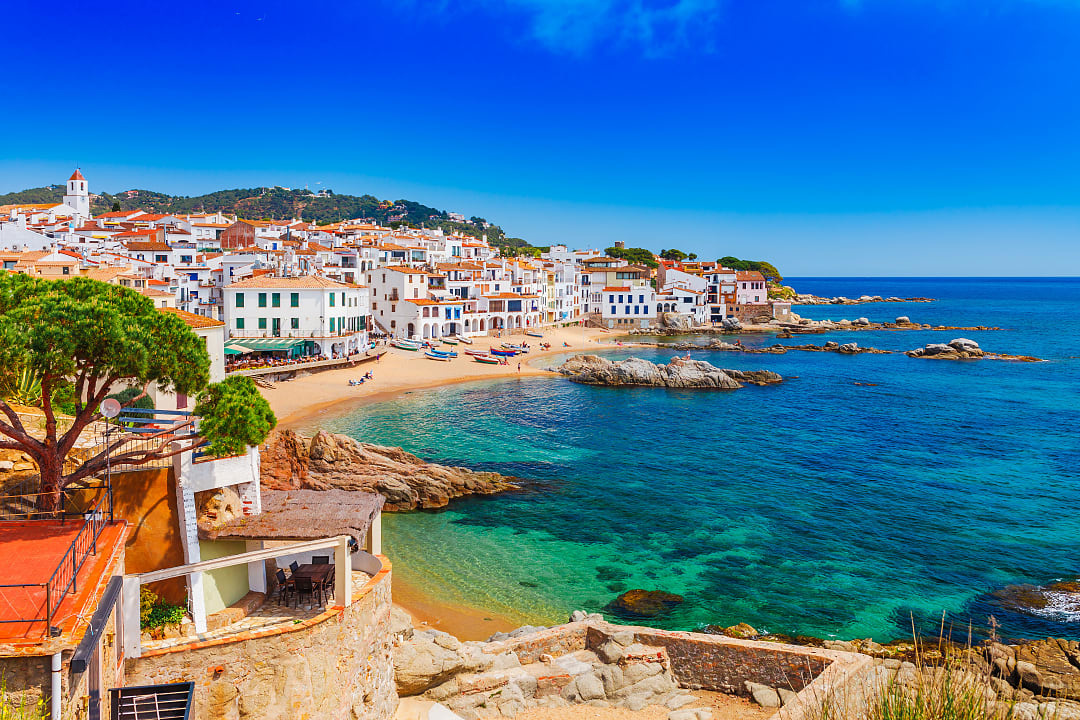
June and July put Spain at its fullest and longest. Daylight stretches past 10 p.m., every coastal town from Sitges to San Sebastián is running at full capacity, and the country's summer festival calendar peaks: Pamplona's Running of the Bulls in July, Bilbao's Semana Grande, and open-air performances staged in venues like the Alhambra's Generalife theater and Roman-era amphitheaters that only host events in summer. Water temperatures along the Mediterranean and Atlantic reach their warmest and ferry schedules to Ibiza, Mallorca, and the Canaries run at their fullest, without the reduced shoulder-season service that limits island-hopping the rest of the year.
The trade-off is real: this is Spain's most crowded season and heat in Andalusia regularly climbs past 95°F by early afternoon. It's also, as of the past several summers, a season where Spain's high-speed rail network has repeatedly buckled under extreme heat, with the AVE line experiencing genuine multi-hour disruptions, speed restrictions, and even air-conditioning failures during heatwave conditions, the kind of disruption a fixed itinerary has no way to absorb on its own.
- San Fermín Balcony Access: A private balcony over Pamplona's Plaza Consistorial for the opening of the festival is held through long-standing local arrangements, not public sale, and is typically committed a year ahead by the families who control the space
- Alhambra Summer Concert Series: The Generalife's open-air nightly capacity is small enough that seats sell out to locals before the performances ever reach international ticketing sites, making advance relationship-based booking the only reliable path in
- Real-Time Rail Disruption Management: When a heatwave takes the Madrid-Seville AVE line down for a day, as it has repeatedly in recent summers, a specialist actively monitoring the disruption can rebuild a multi-city itinerary the same day rather than leaving a traveler to discover the cancellation at the station and start over from scratch
None of this is available through an app, which is the point: high season in Spain rewards travelers who have someone already working the problem before it becomes theirs. Explore Spain vacations and tours in July for sample itineraries built around this season or connect with a specialist for a custom high-season trip.
Shoulder Season: September • October
Average Fall Temperatures in Madrid: 70-82°F Highs • 51-59°F Lows
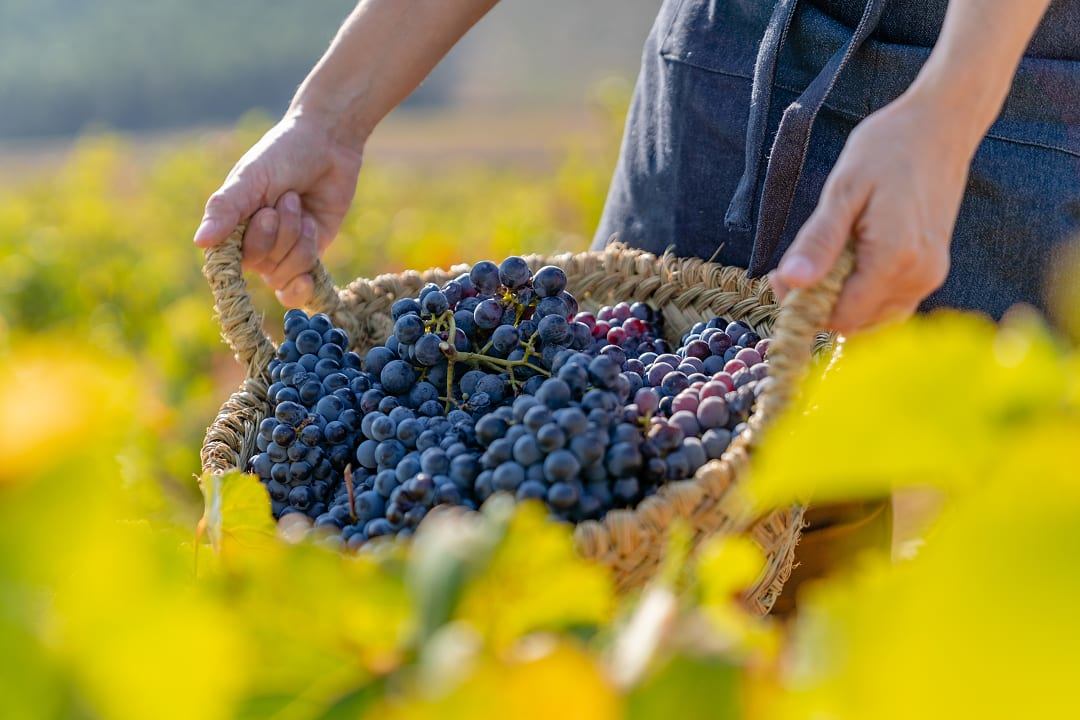
September and October reward travelers who want Spain's culture without its summer volume. The heat softens into comfortable afternoons, daylight is still long enough for a full day of sightseeing, and the country's wine regions shift into harvest, when the fields turn gold and the estates fill with activity rather than sitting quiet under the summer sun. Restaurants that ran on tourist-menu efficiency in July return to their normal, more considered pace.
The season's real distinction, though, is who else is traveling. By mid-September, Spaniards have returned from their August holidays, which means the cities are simultaneously less crowded with tourists and more animated with local life, a combination that doesn't happen in any other season. This window is also when Zicasso's Connoisseur Couple travelers, the single largest share of trips booked to Spain at roughly 32 percent, choose to go, drawn less by the weather than by the depth of access a quieter season allows.
That local return is exactly where the value of local relationships shows up, since none of it is listed on a booking site.
- Estate Access During Harvest: Family-run wineries in Ribera del Duero and Rioja host visitors themselves during harvest rather than delegating to tasting-room staff, but only for guests they already have a relationship with, since harvest is their busiest and least flexible stretch of the year
- Post-Vacation Table Access: San Sebastián's top kitchens reopen their best reservation slots to regulars and known contacts once the August tourist rush clears, well before those tables appear as available online
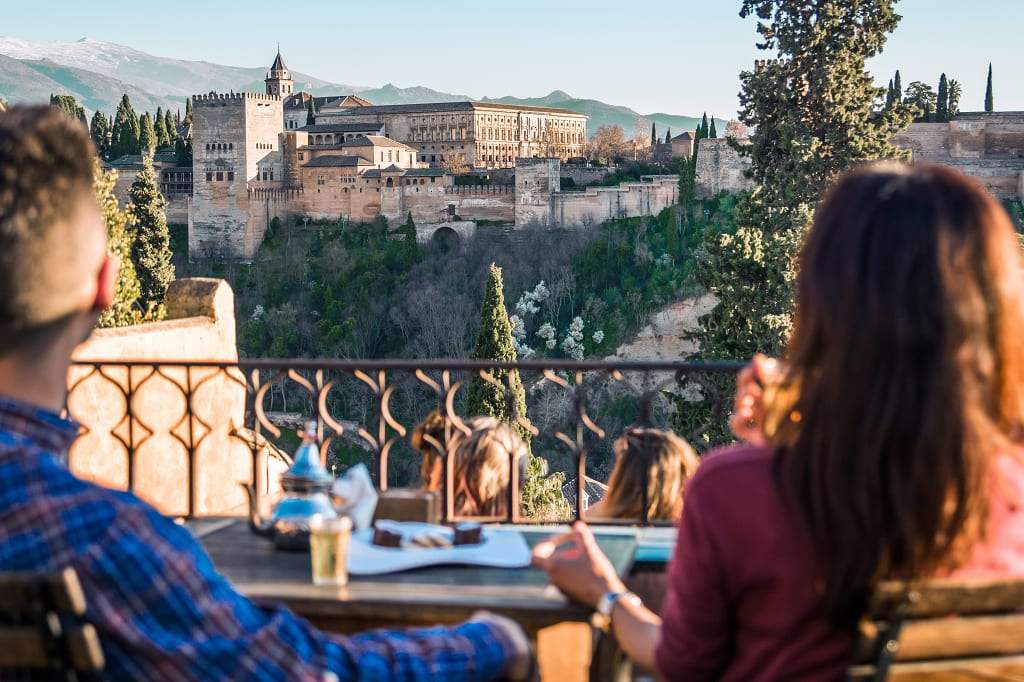
- A City Read Anew: Seville's Santa Cruz quarter and Granada's Albaicín function as neighborhoods again rather than attractions once locals repopulate them, a shift a guide who lives there can show you, not just describe
The trade-off is timing precision: harvest dates shift by up to two weeks year to year depending on weather, so a fixed-date wine trip booked far in advance can miss the window entirely. Explore Spain tours in September for sample shoulder-season itineraries or connect with a specialist who tracks harvest timing directly with growers before setting your dates.
Low Season: January • February
Average Winter Temperatures in Madrid: 51-55°F Highs • 36-37°F Lows
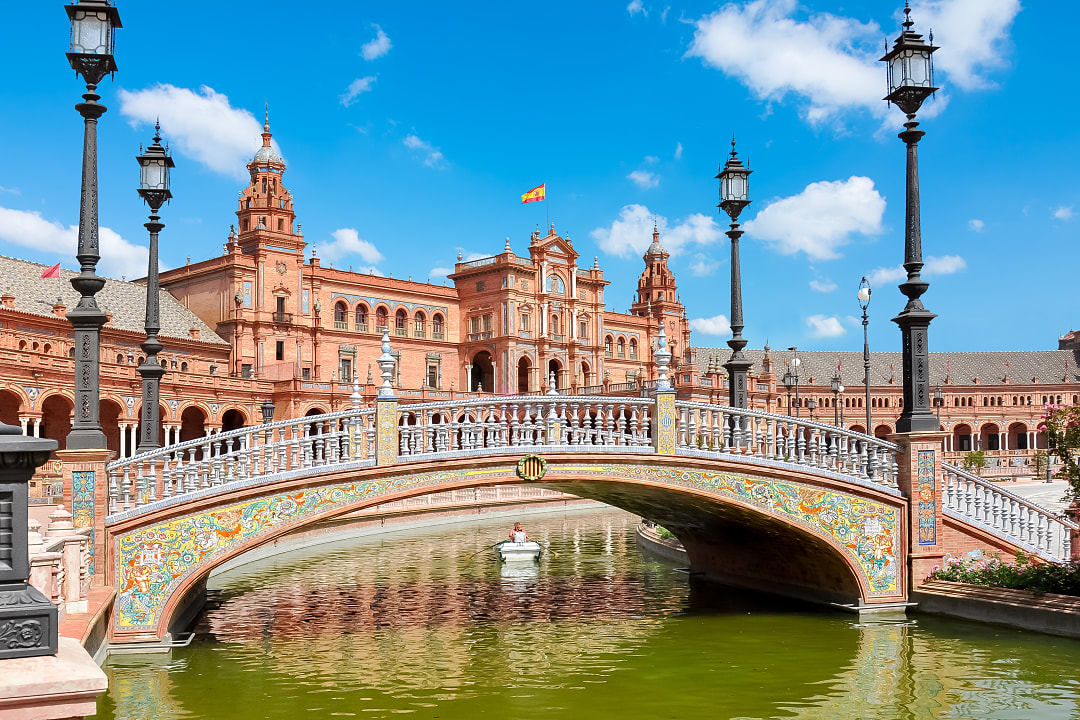
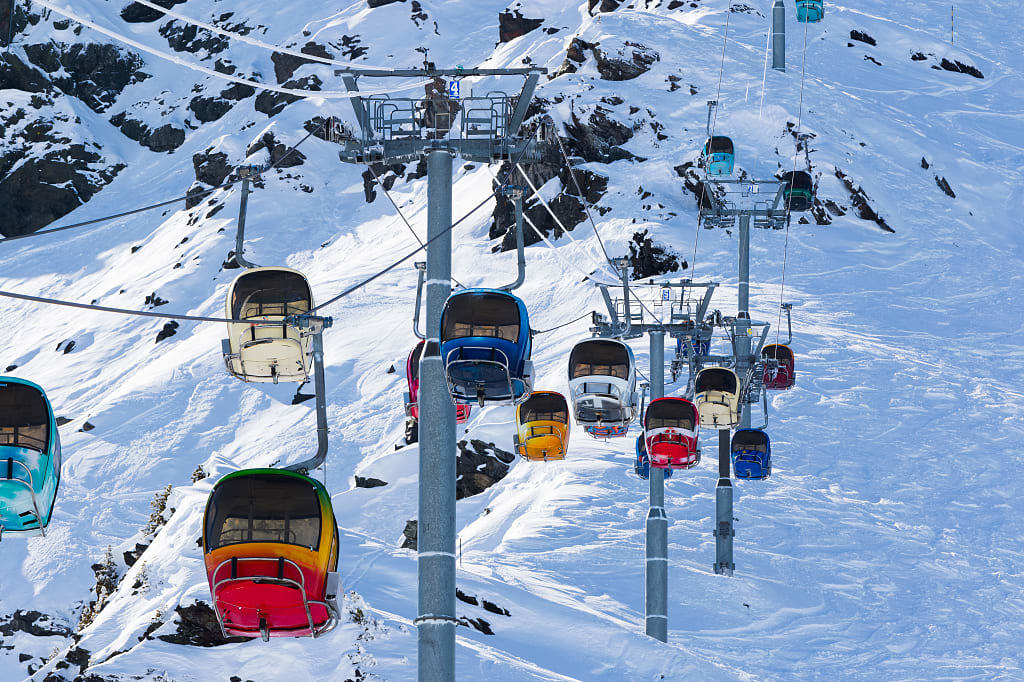
Winter strips Spain down to its architecture and its locals, without the beach-season theater that dominates the rest of the year. The Prado, the Alhambra's Nasrid palaces, and the Alcázar in Seville all operate at a fraction of their May-through-September crowds and snow on the Sierra Nevada puts skiing within an hour of Granada's historic center, a pairing no other season offers.
What winter travelers don't see in a public listing is which properties actually stay fully staffed through the season. Many boutique hotels in smaller towns like Ronda or Cadaqués run reduced service in January and February, closing a restaurant or spa for the season even while continuing to accept bookings, since public availability calendars rarely reflect a skeleton winter crew. This is exactly the gap the Zicasso Guardian Promise is built to close: rather than trusting a listing at face value, a specialist independently verifies which properties are fully staffed before you book and stays on call throughout your trip if anything on the ground doesn't match what was promised.
- Independently Verified Staffing: A specialist confirms, ahead of your stay, whether a property's January listing reflects full service or a scaled-back off-season operation, rather than leaving you to discover the difference at check-in
- Granada's Ski-and-City Pairing: Combine a Sierra Nevada ski day with an afternoon at the Alhambra, a same-day pairing that only works because winter thins the crowds enough to fit both into one visit
- 24/7 Support If Plans Change: If a site closes for unscheduled maintenance or a property underdelivers on what was verified, the Guardian Promise means a specialist is reachable to adjust the itinerary in real time, not after you're back home filing a complaint
Winter rewards travelers who want Spain on its own terms rather than a curated version of it, and the Guardian Promise is what makes that trust possible: every detail verified in advance and someone accountable if reality doesn't match the listing.