Top 10 Things to Do in Greece

Rock pillars and monestaries of Meteora, a UNESCO world heritage site in Thessaly, Greece.

Meteora, Greece

The top things to do in Greece will plunge you into a space where mythic grandeur collides with refined modern indulgence. Whether you are gliding through the sunlit ruins of a Bronze Age civilization or losing yourself in the labyrinthine alleys of a whitewashed Cycladic village draped in bougainvillea, Greece delivers sensory opulence that few destinations can rival. To truly experience the country, surrender to the slow, deliberate pace of Mediterranean life, where a meal of hand-torn bread, ice-cold rosé, and fire-blackened octopus beneath an ancient olive tree carries as much weight as any world-renowned museum.

While the silhouettes of the Parthenon and the cerulean domes of Santorini are non-negotiable, it is not enough to passively observe your surroundings. You must taste the volcanic minerality crackling in a first-pour Assyrtiko, feel the cool, yielding resistance of clay spinning beneath your fingers, and hear the deep slap of waves against the weathered hull of a wooden kaiki. The most discerning travelers seek the intersection of heritage and high luxury, finding genuine value in experiences that honor authentic cultural connection over the shallow gratification of mass-market checklists.

Extraordinary travel begins with a human touch, and our destination specialists design every journey with care, insight, and personal attention. As you consider a visit to Greece, use this information as a guide before connecting with our travel specialists to help you plan your trip. At Zicasso, we specialize in elevating these quintessential Greek moments into extraordinary and entirely bespoke adventures of the highest caliber.

1. Enjoy Greece’s Ancient History

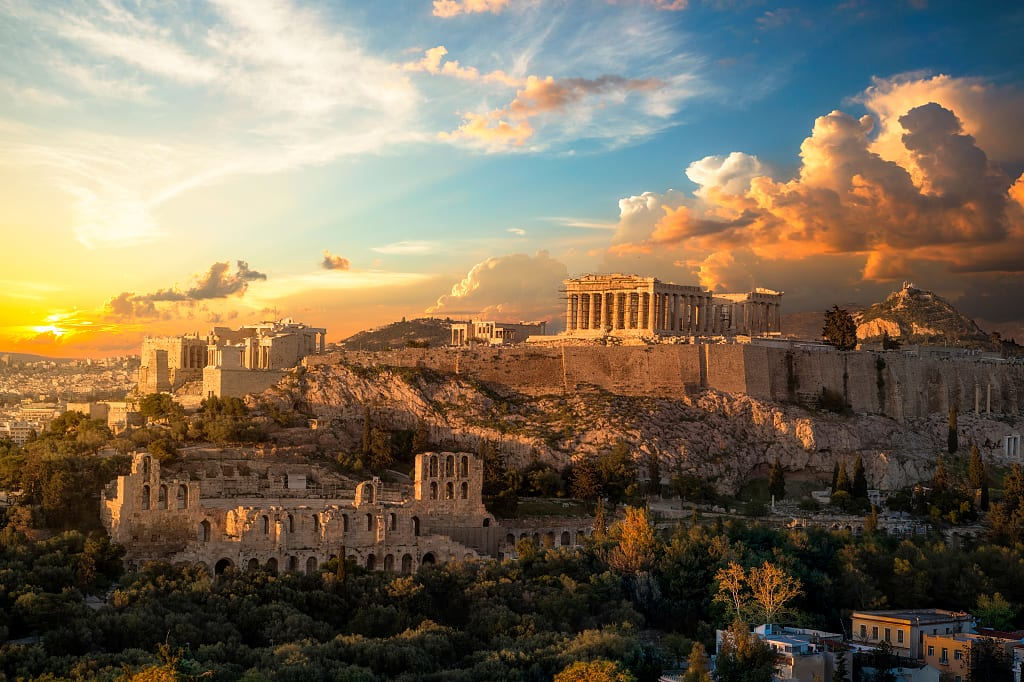
Sunset over the Acropolis in Athens, Greece.
The Acropolis in Athens, Greece

Greece is a sprawling, sun-scorched open-air archive where the foundations of Western philosophy, democratic politics, and high art are pressed into every weathered stone and column drum. In standing precisely where the Pythian Priestess once delivered oracles wreathed in narcotic vapor or pressing your palm to the massive, honey-gold ashlar blocks of Agamemnon's Lion Gate at Mycenae, nothing comes close to the physical proximity to human greatness. While these sites draw admirers from every corner of the globe, the gravity of their architectural genius continues to be an essential pillar of any serious Greek journey.

  • The Bronze Age at Akrotiri: Walk the silent streets of a prehistoric city sealed in volcanic ash, where multi-story frescoed houses and a sophisticated gravity-fed drainage system predate modern engineering by three and a half millennia. This is a ghost town of breathtaking sophistication.
  • Corinth's Roman Grandeur: Explore the amber-lit sprawl of Ancient Corinth, where seven monolithic columns of the Temple of Apollo overlook the Bema, the ornately carved public speaking platform where St. Paul once faced trial.
  • The Medieval Citadel of Rhodes: Traverse the deep moat and immaculate limestone ramparts of the Palace of the Grand Master, a fortress of such extraordinary preservation it carries the illusion that the Knights Hospitaller departed only yesterday.
  • The Labyrinth of Knossos: Navigate the richly painted throne room and bull-leaping frescoes of the Minoan palace with a private historian guide. It is a place of ochre, cobalt, and impossible elegance where a civilization of extraordinary sophistication flourished for centuries before vanishing almost without trace.
  • Ancient Kamiros: Discover the "Pompeii of Rhodes," a remarkably intact Hellenistic city cascading down a sun-flooded hillside, its colonnaded streets dissolving into panoramic views of the Aegean horizon.

Best Places for Ancient History

  • Athens
  • Santorini
  • Meteora
  • Mykonos
  • Crete
  • Rhodes

Take a look at our Best Places to Visit in Greece for more inspiration.

2. Get a Taste for the Tradition and Diversity of Greek Cuisine

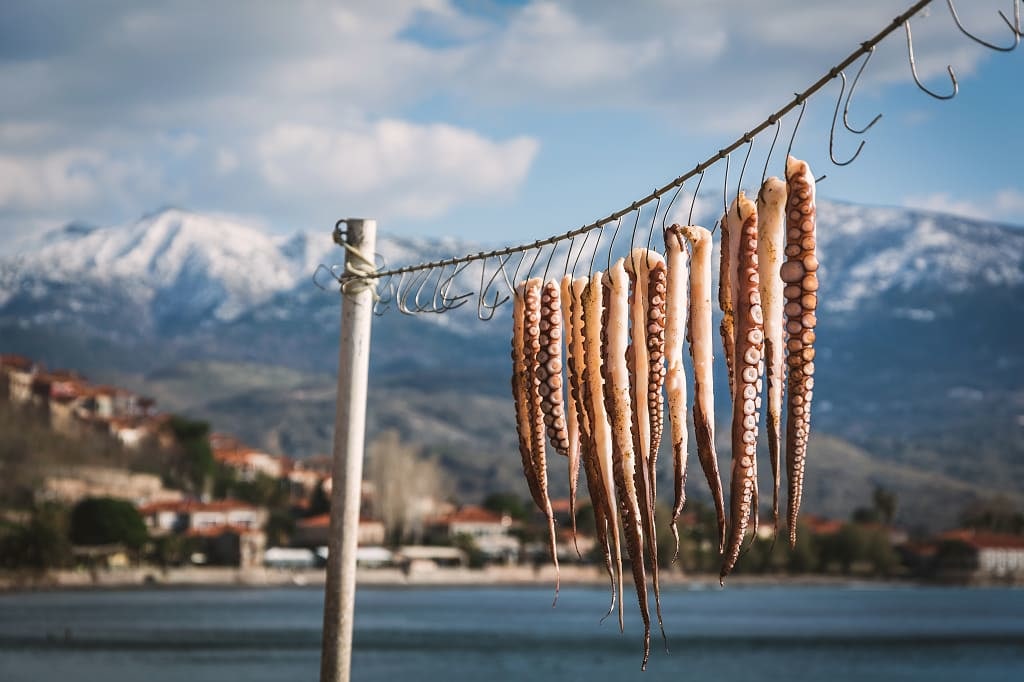
Freshly caught octopus in Lesvos island, Greece.
Fresh octopus on Lesvos island, Greece

Greek gastronomy is a masterclass in restraint, where the quality of a single ingredient, like a first-press oil with the intensity of cut grass and fresh artichoke, dictates the emotionality of a dish. It is absolutely, unequivocally worth surrendering a full morning or afternoon to a private cooking class because the secrets of the Greek kitchen are not found in written recipes, but transmitted through touch, scent, and the particular warmth of a wood-fired oven. You are placed in the hallowed role of the apprentice, learning how the volcanic soil of Sifnos produces flavors entirely alien to the wild herb-scented mountain winds of the Peloponnese.

  • Sifnian Clay-Pot Slow Cooking: Master the almost devotional art of mastelo, lamb slow-braised with red wine and dill until it falls apart in a traditional ceramic vessel over a wood-fired oven, the steam carrying an aroma that is nothing less than ancient.
  • The Perfect Spanakopita: Learn to roll phyllo to the translucency of a bridal veil by hand, then fold in wild mountain greens and the sharp, crystalline bite of barrel-aged feta.
  • Fresh Tzatziki Mastery: Discover the art of tempering raw, pungent garlic against the thick richness of strained sheep's milk yogurt and the cool, clean crunch of seedless cucumber hand-grated at the very last moment.
  • The Art of the Greek Meze: Compose a spread fit for a sea-captain's table. Think charred octopus with a caramelized exterior, silken fava bean purée crowned with slow-cooked sweet onions, and salt-cured sardines still tasting of the Aegean.
  • Savoring Greek Coffee: Master the meditative ritual of brewing ellinikos in a long-handled copper brikki set over hot sand, coaxing a thick, dark, velvety foam, or kaimaki, to the surface with the patience of a practiced hand.

Best Places for Food Tours

  • Athens
  • Crete
  • Sifnos
  • Lesvos
  • Santorini
  • Rhodes
  • Mykonos
  • Nafplio
  • Corfu

If a culinary tour of Greece is on your radar, let our travel specialists customize one of our Greece food and wine tours to your preferences.

3. Find the Inspiring Mythology of Greece

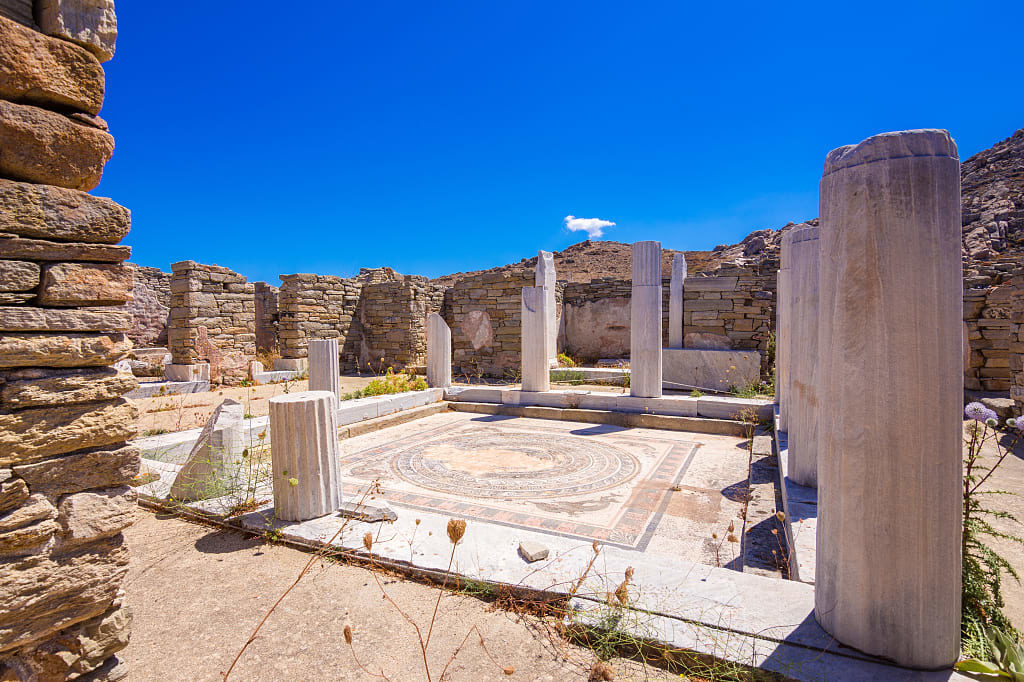
Ancient ruins in the island of Delos in Cyclades, one of the most important mythological sites in Greece.
Archaeological Site of Delos in Greece

Greece is like a living, breathing storybook in which every sea cave and mist-cloaked summit is irrevocably bound to a god, hero, or tragedy of epic proportion. This experience is particularly transformative for families, as it turns what might otherwise be "dry" history into a gripping, high-stakes narrative of thunderbolts hurled from heaven, sea monsters writhing in ink-dark depths, and golden apples guarded by immortal serpents. You are not looking at inert stone; you are standing at the precise coordinates where Poseidon's trident struck the Earth with sufficient force to shatter the bedrock or entering the cool, dark of the cave where the infant Zeus was hidden from his father's hunger.

  • The Cave of Psychro: Descend by torchlight into the vast, stalactite-hung vault of the Dictaean Cave on Crete, where the damp, mineral air and cathedral-like darkness carry a weight of sacred history that is impossible to rationalize away.
  • Cape Sounion's Sea Views: Stand at the wind-scoured Temple of Poseidon above a 300-foot drop, on the very precipice from which King Aegeus, mistaking a sail's color, gave the Aegean Sea its eternal, sorrowful name.
  • Delos' Sacred Lake: Explore the uninhabited sanctuary island, baked white and silent under the Cycladic sun, where Apollo and Artemis were born. It is a site once considered so divinely charged that ancient law forbade any mortal from committing the indignity of being born or dying upon its sacred soil.
  • Mount Olympus Trek: Ascend the lower slopes through towering black pine and silver beech, breathing air so pure it makes the myths feel less like stories and more like a reasonable explanation for the majesty around you.
  • Aegina's Temple of Aphaia: Discover this hauntingly beautiful hilltop temple with a private guide to hear the tale of the nymph Aphaia, who vanished into the luminous Saronic air to escape the relentless pursuit of Minos.

Best Places for Mythology

  • Delos
  • Crete
  • Athens
  • Aegina
  • Mount Olympus

Let Zicasso’s Best Places and Cities to Visit in Greece with Family provide you with the inspiration to visit this spectacular country.

4. Sample Prominent Greek Wines

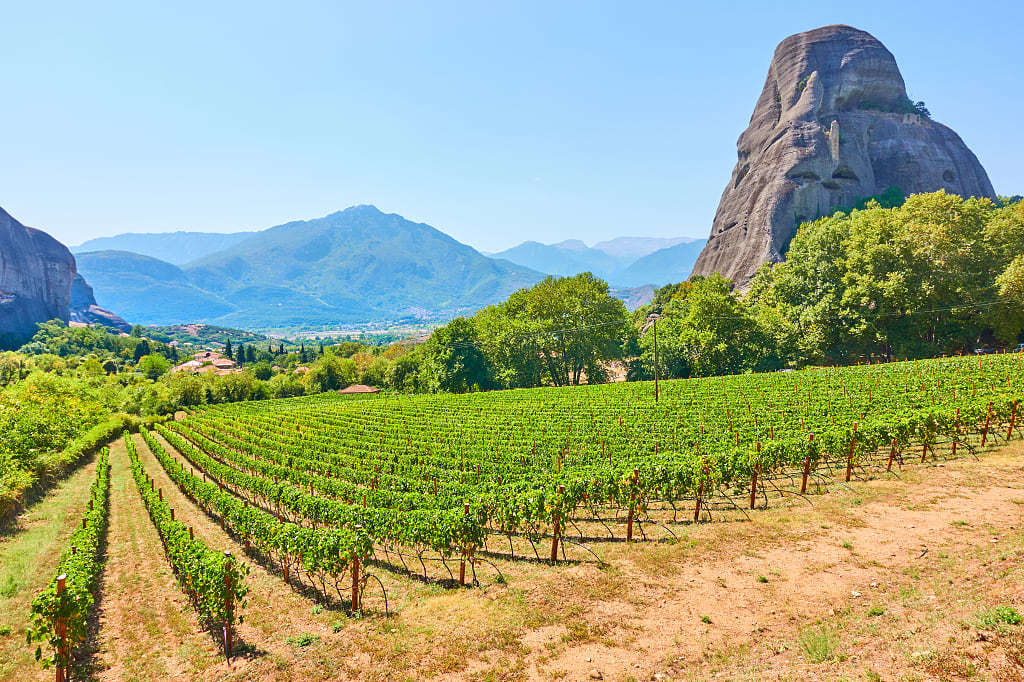
Vew of vineyard near Kastraki village in Thessaly, Greece.
Thessaly, Greece

Greek wine is in the midst of a global renaissance of quiet, confident magnificence, and a private vineyard visit has become one of the most intellectually and sensorially rewarding ways to spend a Mediterranean afternoon. With over 350 indigenous grape varieties, the vast majority found nowhere else on the planet, the experience is one of exhilarating discovery. Taste the nervy, lime-and-sea-salt precision of a white Vidiano or the brooding, iron-tannic depth of a Xinomavro that has been resting in old oak since before you last thought about Greece. Many of these vineyards cling to volcanic slopes or nestle in high mountain valleys, offering views so beautiful they function as a second, entirely different kind of luxury.

  • Santorini's Basket Vines: Taste an Assyrtiko of such crackling, volcanic minerality and bright citrus intensity it seems to contain the Aegean itself. Walk through ancient vineyards where the gnarled vines have been woven for centuries into low koulara (baskets) to shield them from the island's ferocious winds.
  • The "Blood of Hercules": Lower yourself into the velvet, red-berry depth of an Agiorgitiko in the Nemea valley of the Peloponnese, poured at a family estate where the winemaker's grandfather planted the first vines and the cellar still smells of cold stone and damp earth.
  • Naoussa's Noble Red: Experience the extraordinary complexity of a Xinomavro aged to its fullest expression, its dark aromas of sun-dried tomato, dried roses, and black olive unfolding slowly and generously in the glass.
  • Limnos' Muscat of Alexandria: Sip a naturally sweet dessert wine of amber-hued honeysuckle richness, grown on the volcanic soils of a remote, unhurried North Aegean island where time moves at a different speed entirely.
  • Attica's Savatiano: Discover the luminous, contemporary face of Retsina, that ancient pine-resin wine utterly transformed by a new generation of winemakers into an elegant, aromatic, high-concept pairing for the freshest raw shellfish.

Best Places for Wine

  • Thrace
  • Santorini
  • Limnos
  • Thessaly
  • Crete

Discover the joy of wine when you visit Greece in June.

5. Discover Greece’s Olive Oil

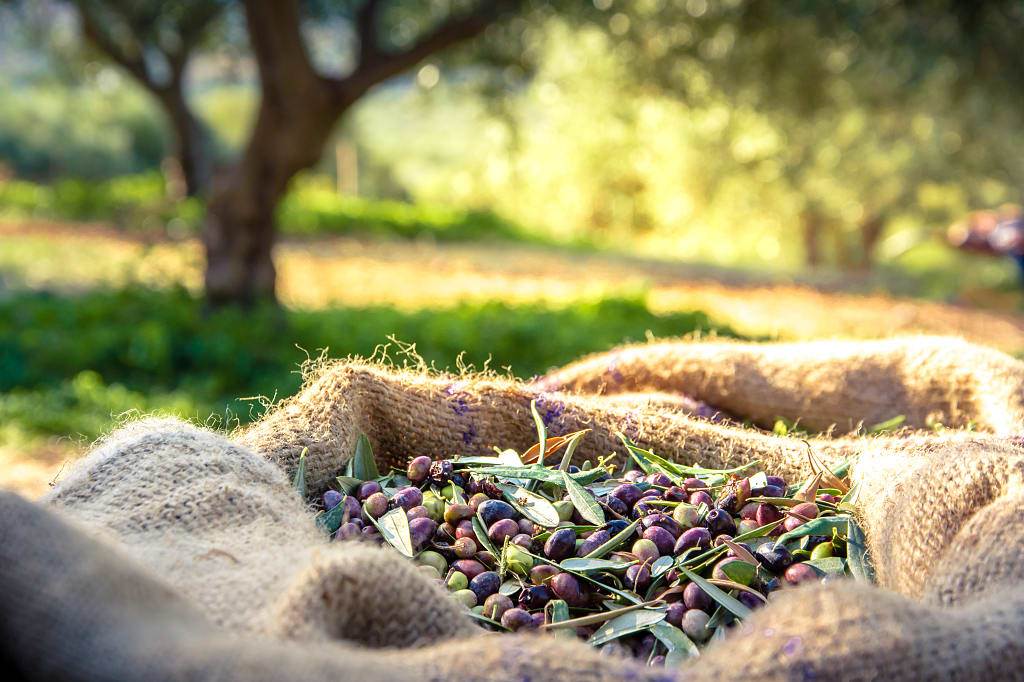
Olives harvested for olive oil production in Crete, Greece.
Crete, Greece

In Greece, olive oil is liquid gold, the distilled essence of the landscape, a fundamental pillar of national identity, and one of the most sensually complex substances you will ever place on your tongue. Engaging in a private olive oil tasting is the only true way to comprehend the staggering diversity concealed within those 132 million silver-leaved trees shimmering across the Greek hillsides. You are placed in the middle of an ancient, cathedral-quiet grove, learning under expert guidance to distinguish the assertive, peppery finish of a Koroneiki oil from the buttery, golden, yielding smoothness of a Manaki, and understanding why the difference matters. It is an essential, lingering experience for anyone serious about carrying a piece of the Mediterranean's magnificent obsession with quality back into their own kitchen.

  • Ancient Grove Exploration: Move slowly through Cretan orchards sheltering trees over 2,000 years old that are still pressing oil of extraordinary quality in the same soil their roots first touched before the fall of Rome.
  • Cold-Press Observation: Step inside a modern stone mill to witness the cold mechanical extraction process that preserves the furious, high-polyphenol intensity and complex green aromas of a true extra virgin, and to understand why temperature, timing, and care are the only variables that matter.
  • The Science of the Sip: Learn the professional “slurp” technique used by master tasters to aerate the oil across the full palate. You will be astonished by the procession of flavors, from fresh-cut artichoke to wild green grass and toasted almond, each variety revealing a personality entirely its own.
  • Olive Variety Identification: Compare the deep, purple-black, luscious kalamata with the tiny, fierce, nutrient-dense koroneiki, whose oil is among the most prized and intensely flavored on Earth.
  • Pairing the Result: Conclude with a long, unhurried rustic lunch under dappled grove light: thick slabs of warm sourdough submerged in oil pressed that same morning, finished with coarse sea salt crystals and a scatter of wild dried oregano.

Best Places for Olive Oil

  • Crete
  • Thessaloniki
  • Athens
  • Corfu

Taste Greece’s liquid gold after taking a look at Zicasso’s Gastronomy of Greece Tour.

6. Delve into the Ancient Traditions of Pottery

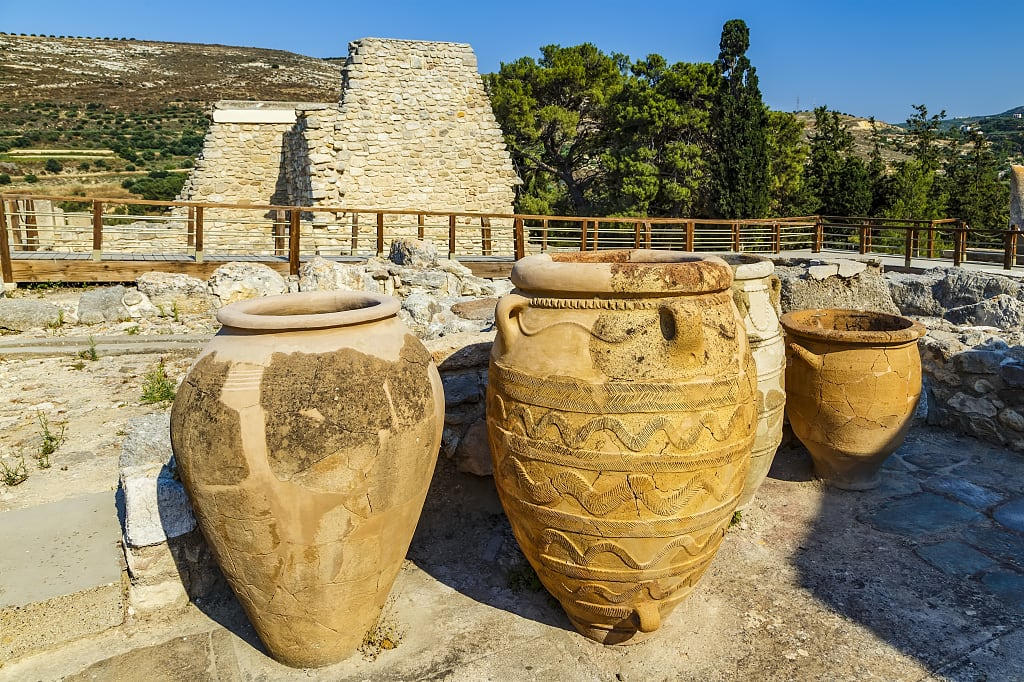
Antique Greek vases from the Minoan culture, located in the ruins of Knossos Palace in Heraklion on Crete island, Greece.
Heraklion on Crete island, Greece

Pottery is the tactile, earthen thread that binds the hands of modern Greeks directly to those of their Bronze Age ancestors, and submitting your hands to the wheel is a grounding, quietly meditative, and unexpectedly emotional experience. This ranks among the top things to do in Greece precisely because it requires your complete physical presence. The clay will not be rushed, flattered, or deceived. Whether you are working with the iron-rich, terracotta warmth of Cretan clay or the luminous, pale earthen bodies of the Cyclades, the intimate, tactile nature of the process generates a deep appreciation for the breathtaking artifacts you have been admiring behind glass in the national museums.

  • Zakynthian Clay Casting: Work under the patient guidance of a master artisan to create a fully functional piece using the unique, mineral-rich clays of the Ionian islands, the warmth of which seems to contain the memory of every vessel shaped before it.
  • Crete's Giant Pithoi: Watch with awe as a crafter constructs, ring by laborious ring, one of the massive human-sized storage jars employed since Minoan times to hold the grain and oil that sustained a civilization.
  • The Sifnos Chimney Pots: Learn to craft the flaros, those festive, and faintly eccentric decorative chimney pots that punctuate the rooflines of the island's whitewashed villages like small ceramic exclamation marks.
  • Hand-Painting Geometric Designs: Attempt to replicate the exquisite and endlessly hypnotic black-and-red figure patterns that defined the Classical period of Greek art, developing an immediate respect for the painters who made it look effortless.
  • Traditional Kiln Firing: Discover ancient wood-fired kilns, still deployed by dedicated artisans to achieve the unique, warm, smoke-kissed earthen patinas that collectors the world over are willing to wait years to acquire.

Best Places for Artisan Traditions

  • Athens
  • Santorini
  • Delphi
  • Lesvos
  • Crete

Treat your loved ones to Seven Days of Family Fun in Athens and Santorini.

7. Take a Hike in the Countryside or Along the Coastline

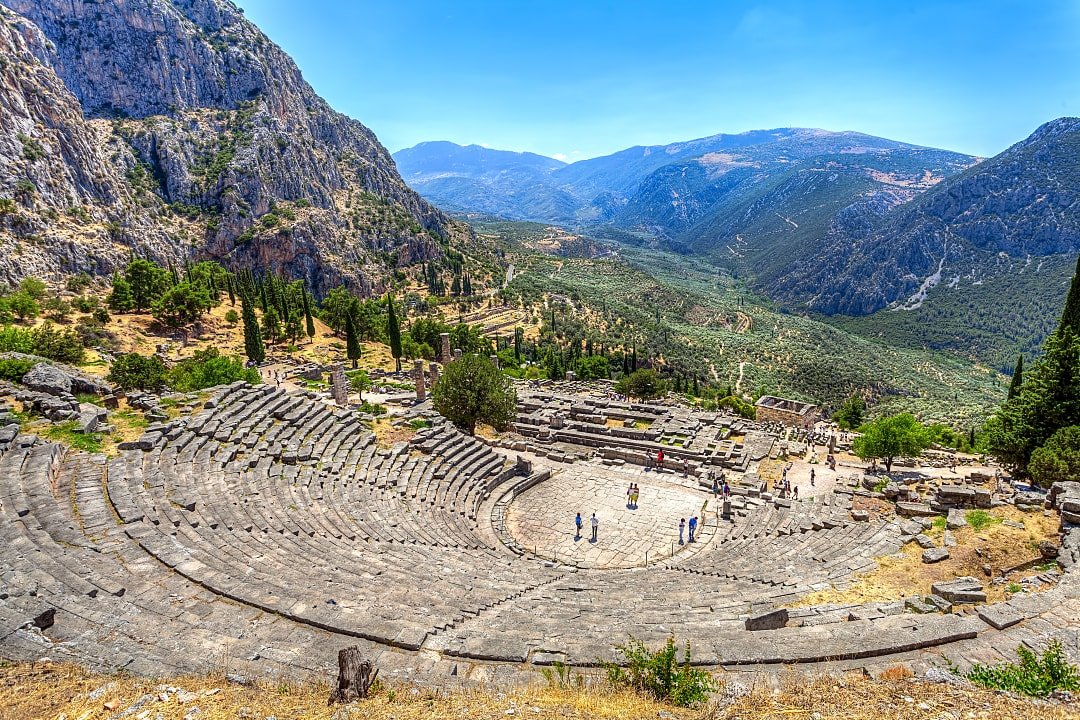
Delphi, Greece
Delphi, Greece

To truly move through Greece rather than across it, you must step off the pavement and onto the ancient mule paths and hand-laid stone roads that have been threading through this landscape since long before the first tourist arrived with a camera. When hiking here, a single turn in the trail might expose a forgotten Byzantine chapel with a single oil lamp still burning or a hidden sea cove of water so translucent it appears to have no depth at all. It is the most reliable route away from the crowds and into the intoxicating scent of wild thyme and sage. From the vertical drama of the mainland gorges to the sea-cliff paths of the islands, every trail offers a perspective of this landscape that no viewpoint, road, or photograph can replicate.

  • The Path from Fira to Oia: Walk the very spine of the Santorini caldera as it curves above the ancient volcanic crater, the Aegean falling away a thousand feet below on one side and the sugar-white villages glistening ahead. This is one of the great walks of the Mediterranean world.
  • Delphi's Ancient Way: Follow the path descended by pilgrims for millennia, moving through silver-leaved olive groves from the Corycian Cave to the Temple of Apollo, the air full of the smell of thyme and the silence of something genuinely sacred.
  • Skiathos Forest Trails: Move through the improbably lush, pine-scented interior of the Sporades to arrive at the medieval castle of Kastro perched high above the sea on a northern cliff. The Aegean laid out below is like a reward.
  • The Menalon Trail: Commit yourself to the rugged, rewarding terrain of the Peloponnese highlands, trekking through vertiginous gorges, torrent-carved valleys, and stone-built mountain villages where the sound of running water is constant and the smell of woodsmoke perpetual.
  • Corfu's Mount Pantokrator: Ascend the island's highest peak through dense, scented maquis to a summit panorama of almost absurd generosity: the entire shimmering Ionian Sea, the green Albanian mountains, and, on rare crystalline mornings, the ghost of the Italian coastline.

Best Places for Hiking

  • Delphi
  • Skiathos
  • Santorini
  • Peloponnese
  • Corfu
  • Metsova

Contact our travel specialists and they will customize our 9-Day Hiking Tour of Greece to your liking.

8. Set Sail or Cruise Warm Waters

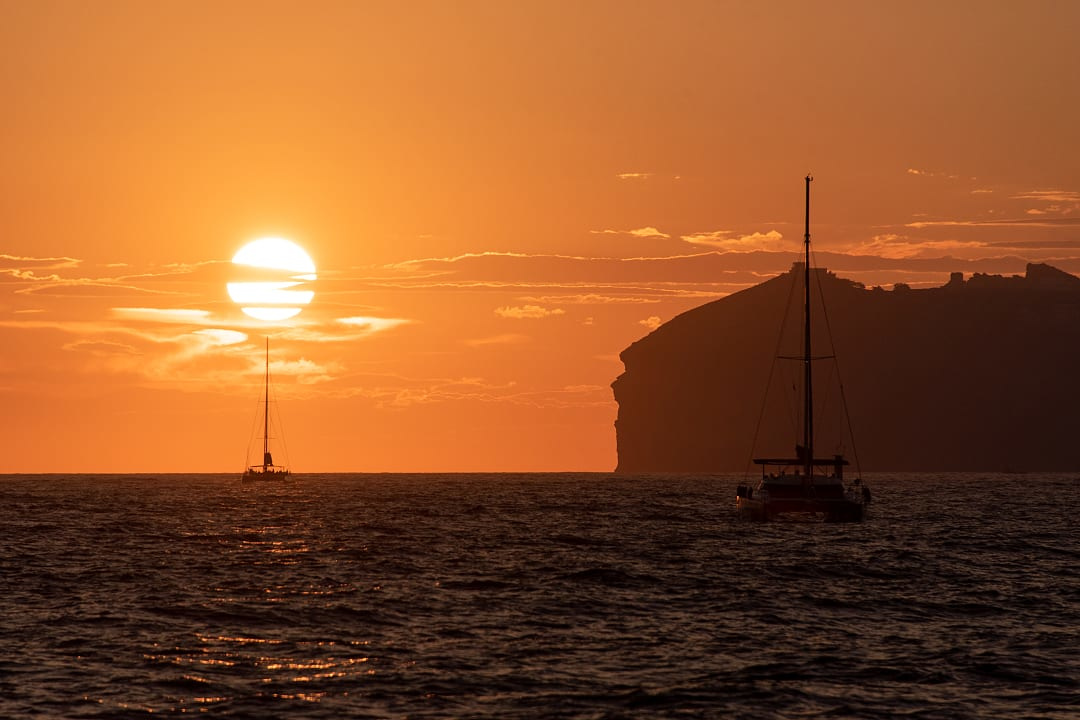
Sunset catamaran cruise on the Santorini coast
Santorini, Greece

Greece is, at its core, a maritime civilization, and many of its most arresting and jealously guarded secrets are accessible only by water. Whether your vessel is a sleek, custom-fitted private catamaran or a traditional, creaking wooden trechandiri smelling of pine pitch and salt, being on the open water confers a sense of absolute, uncomplicated freedom that no form of land-based travel can approximate. The luxury is in the ability to beach-hop with a glass of chilled wine in hand and no agenda whatsoever, rounding a headland to find your own private cove where the only sounds are the slow lapping of water against the hull and the distant cry of a gull. This is quintessential Greece.

  • Santorini Sunset Sail: Navigate the drama of the volcanic "Red" and "White" beaches as the sky above the caldera shifts through an improbable sequence of amber, rose, and deep violet, enjoying a dinner of grilled whole fish and chilled Assyrtiko on deck as the last light disappears into the sea.
  • The Hidden Coves of Mykonos: Arrange a private water taxi to reach beaches like Frangias, accessible only from the water. The limestone cliffs drop straight into a turquoise so saturated it seems artificially lit and the silence is broken only by the occasional kingfisher.
  • Naxos to the Small Cyclades: Sail on an unhurried reach to the uninhabited islets of Koufonisia and Schinoussa, where the water takes on a neon, electric-turquoise intensity found almost nowhere else in the Mediterranean. The villages' irreplaceable charm means they have never needed to perform for visitors.
  • Monemvasia's Sea Approach: Approach the "Gibraltar of Greece" by water at golden-light hour, watching the great honey-stone medieval fortress materialize from the flat sea in its full, dramatic isolation. It is a sight that rewards those who arrive by boat in a way the road simply cannot.
  • The Holy Caves of Patmos: Cruise the sacred, legend-soaked coast of the "Island of the Apocalypse" on a warm, still afternoon, dropping anchor at the crystalline, powder-white sands of Psili Ammos for a swim in water so clear it seems almost implausible.

Best Places to Sail or Cruise

  • Mykonos
  • Santorini
  • Patmos
  • Monemvasia
  • Naxos

For more information, see our guide to the Best Time to Visit the Greek Islands.

9. Learn to Dance Like Zorba the Greek

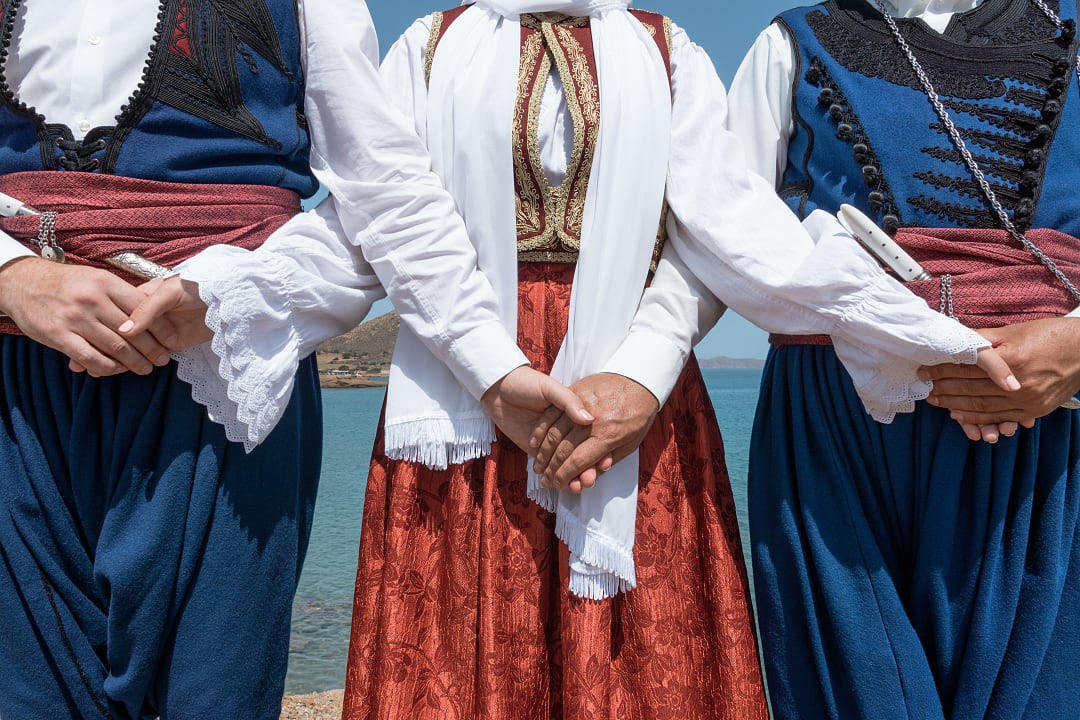
Cretan dancers wearing traditional costumes in Crete, Greece
Cretan Dancers

Dance is the mother tongue of Greek celebration, the primary, most honest physical expression of kefi, that particular, elusive, untranslatable Greek state of high spirits, joy, and the willingness to be fully alive in the present moment. Arranging a private dance lesson is among the most genuinely culturally immersive things to do in Greece because it dismantles, with immediate, joyful efficiency, the invisible wall between "tourist" and "guest." You are placed in the center of the circle to learn the heavy, proud, earth-claiming steps of the pentozali or the fluid, generous, communal grace of the kalamatianos. It guarantees that at the next village festival or island wedding you happen upon, you will not be standing on the outside looking in.

  • Crete's Stavros Beach: Learn the arm-extended steps of the syrtaki on the exact golden crescent of sand where Anthony Quinn filmed the final scene of Zorba the Greek, an experience that is part dance lesson, part pilgrimage.
  • The Hasapiko of Athens: Master the Butcher's Dance, precise, coordinated, rhythmically demanding, and deeply satisfying in its requirement for genuine, focused synchronicity between partners.
  • The High-Energy Pentozali: Feel the physical exhilaration of the ancient Cretan war dance in your legs and lungs. It was conceived to keep warriors lean and focused, and still is performed with a controlled ferocity and pride that is palpably different from the more social dances of the islands.
  • Kalamatianos Circle Dance: Learn the most beloved folk dance in Greece, a 12-step lead-and-follow that is performed at almost every wedding, baptism, and celebration in the country. You will understand, through your body, why it has survived completely unchanged for centuries.
  • The Rembetika Experience: Arrive late at a cramped, smoky, beautiful Athenian koutouki to witness the zeibekiko, a deeply private, internally focused, improvisational solo dance performed to the bluesy, hashish-scented underground music of the Greek dispossessed. This is one of the most genuinely moving cultural experiences the country conceals.

Best Places for Dance Classes

  • Athens
  • Crete
  • Mykonos
  • Santorini
  • Syros

Zicasso’s How to Plan a Trip to Greece: Frequently Asked Questions has all the information you need to arrange a visit to this wonderful country.

10. Dive and Snorkel the Mediterranean, Aegean, and Ionian Seas

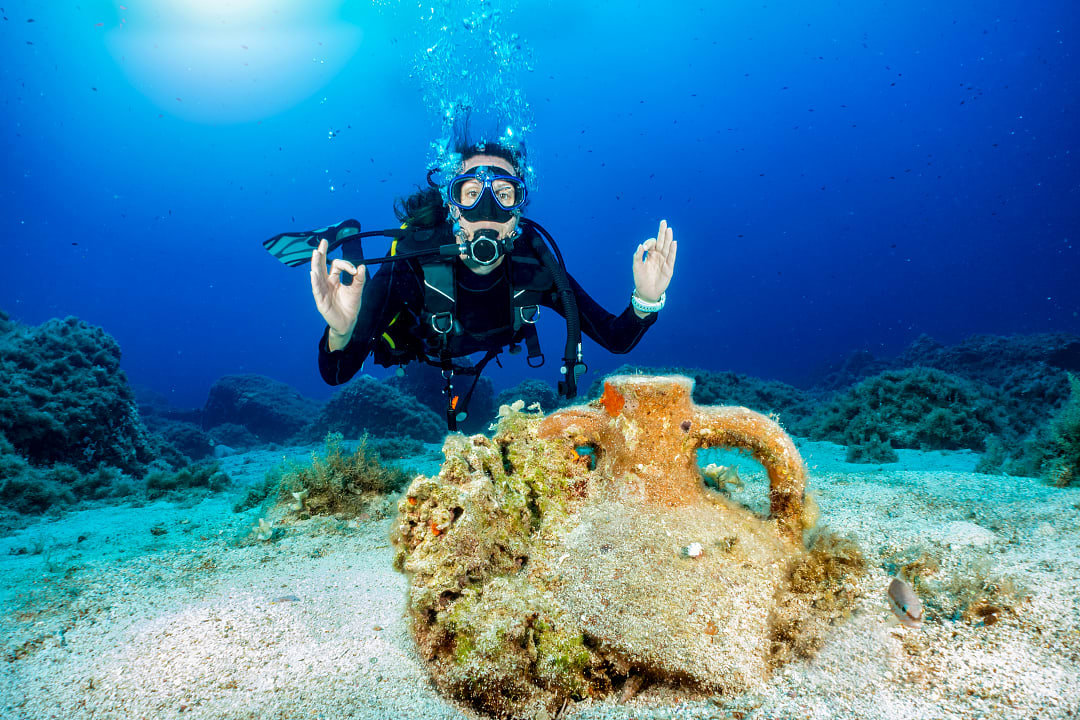
Diver posing with and amphora in the Aegean sea
Diving in the Aegean Sea

Beneath the famous sapphire and turquoise surface of Greece's glorious waters lies a world of extraordinary, hushed revelation: limestone caverns lit from within by refracted light, ancient ships resting in the permanent dark of deep sand, and marine ecosystems of improbable color. Diving in Greece is exceptional, with visibility that commonly exceeds 90 feet and creates the persistent, disorienting, and entirely wonderful sensation of flying through liquid glass. You are not merely watching fish; you are exploring the submerged chapters of Western history, from the corroded iron bones of second World War wrecks to the weed-covered foundations of Roman villas that slipped beneath the surface millennia ago. Whether you are a PADI Master Diver or a first-time snorkeler with a borrowed mask, the underwater landscape is a final frontier of the Greek experience.

  • Zakynthos' Blue Caves: Slip into the water and fin your way through natural limestone arches carved by 10,000 years of patient tide, where the Ionian sun, refracting from a brilliant white sandy floor, floods the interior with an otherworldly cobalt light that seems to come from nowhere and everywhere simultaneously.
  • The MS Zenobia Wreck: For the experienced diver, this is a reckoning: one of the 10 greatest wreck dives on the planet will expose you to a massive Cypriot ferry resting on its side in conditions of such clarity that every detail of its vast, encrusted hull can be taken in from a single vantage point.
  • Santorini's Volcanic Reefs: Explore the extraordinary submarine landscape created by cooling Nea Kameni lava flows, where the marine life has colonized the harshest possible substrate with a tenacity that is almost inspiring.
  • Rhodes' Marine Life: Descend at the celebrated Kalithea Springs into clear, warm, amphitheater-shaped water where octopus, bronze-flanked grouper, and the muscular coils of moray eels are visible threading through the sculpted limestone formations in a display of underwater theater that requires no narration.
  • The Sunken City of Epidauros: Float face-down in the crystalline, barely-there-temperature shallows just offshore and look down through 2,000 years of silence at the unmistakable geometry of walls, thresholds, and foundations of an entire world returned, without drama, to the sea.

Best Places to Dive or Snorkel

  • Zakynthos
  • Santorini
  • Rhodes
  • Crete
  • Paros

For more information on the country’s beaches, see our Best Beaches to Visit in Greece.

Other Considerations

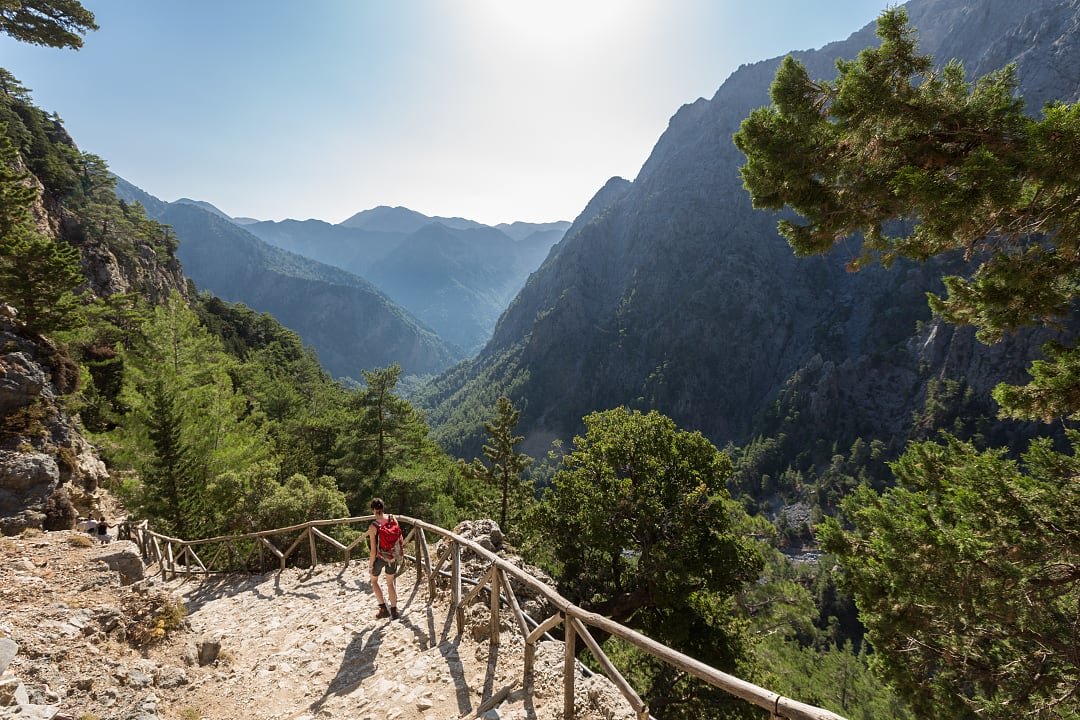
Woman hiking the Sameria Gorge in Greece.

When to Travel to Greece: Navigating Weather and Ferry Schedules

While Greece rewards visitors in every season with different and specific gifts, the “worth it” factor of particular activities shifts as the calendar moves. If you have your heart fixed on hiking the Samaria Gorge or the sacred paths above Delphi, remember that the molten, airless heat of July and August can transform what should be a slow, meditative pleasure into a test of endurance that leaves no room for appreciation. For this, May and September offer a temperate, golden-lit alternative of near-perfection. Conversely, those planning the quintessential island-hopping odyssey should be aware that the most intimate, characterful boutique hotels and many ferry routes on smaller islands like Milos, Tinos, and Amorgos operate on greatly reduced schedules or close entirely between November and March. To experience the fullest, most layered expression of Greece the shoulder seasons of late spring and early autumn are the gold standard for any comprehensive Greek itinerary.

How Many Days Should You Spend on the Greek Islands?

One of the most persistent and costly mistakes among first-time visitors is the ambitious attempt to encounter too many islands in a single trip, which results in more time spent in ferry terminals than on the exquisite beaches those vessels serve. The high-speed hydrofoils, while efficient in calm conditions, are vulnerable to delay during the Meltemi season and a tightly packed itinerary in mid-summer is an anxiety waiting to materialize. We recommend slow travel with conviction: choose one island chain, be it the Cyclades, Ionians, or Dodecanese, and commit to spending no fewer than three or four nights on each island to absorb its specifics. This approach reduces travel fatigue to nothing while enabling the depth of culinary, historical, and human immersion that makes each island feel like a homecoming rather than a checkbox.

Dress Codes and Dining Times: Navigating Greek Culture

Greece is a culture of instinctive and often overwhelming hospitality, but it is equally a place where tradition continues to exert a graceful authority over social decorum, particularly in religious and rural contexts. When entering the monasteries of Meteora or the flower-filled village churches of Tinos, modest dress is a requirement and one that is worth honoring for access and out of respect for spaces that are genuinely sacred to the communities that maintain them. In Athens and Thessaloniki, the pace is metropolitan and unrelenting, but on the islands and in the mountain villages, time is organized differently and the mid-afternoon siesta is not an inconvenience to be navigated, but an invitation to be accepted. The traveler who orders dinner before nine o'clock in the evening and who learns to sit in a taverna with no particular agenda is already halfway to understanding what Greece, at its most generous and most itself, is actually offering.

What to Eat in Greece: A Quick Guide to Regional Cuisine

Travelers often arrive expecting "Greek food" to be a reassuringly familiar monolith of moussaka and souvlaki, but the reality is far more beautifully fragmented and sophisticated. In Corfu, four centuries of Venetian occupation have left the cuisine richly inflected with Italian influence. You will find spicy, winey, and layered sofrito, a lush preparation of veal in white wine and sharp garlic. In the Cyclades, the parched, volcanic soil strips the cuisine back to the elemental: sun-dried ingredients, preserved aged cheeses, and a briny, mineral intensity that tastes of the sea wind. For the true gourmand, however, Crete demands a dedicated pilgrimage; its celebrated diet is a world-renowned paradigm of longevity and pleasure, built on extraordinary quantities of foraged greens and hyper-local olive oils so green and peppery that they leave a pleasurable burn at the back of the throat.

Planning a Greek Sailing Trip: Aegean vs. Ionian Seas

If sailing is your priority, the best window is between late May and early October. At this time, however, ensure you develop a respectful awareness of the Meltemi, the powerful, arid northern winds that assert themselves across the Aegean with particular force in July and August. On land, this wind arrives as a merciful, cooling benediction; on the water, particularly for smaller sailing vessels, it can mean choppy, heeled passages and revised itineraries that require genuine flexibility. If you desire the full height of the Greek summer without surrendering to the Aegean's capricious temperament, the Ionian Sea offers conditions of considerably greater serenity and a landscape of lush, Italianate beauty that provides a wholly different register of Greek perfection.

Experience the Top Things to Do in Greece

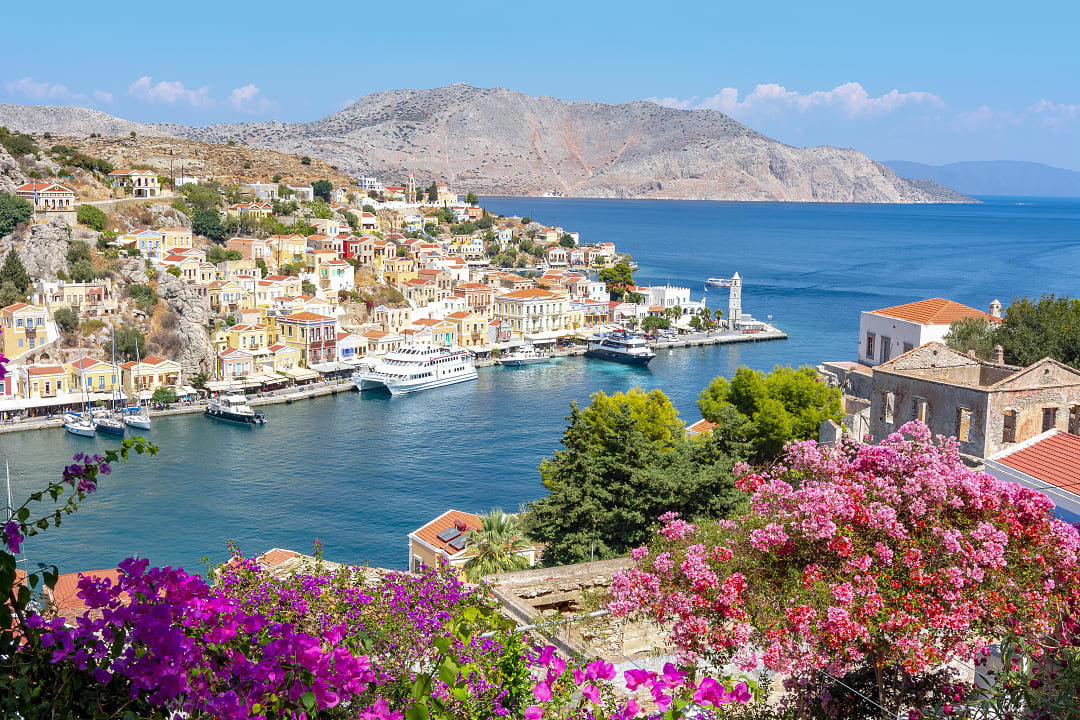
Symi Island, Greece
Symi Island, Greece

Greece is a master at balancing the epic and intimate. Whether you are tracing the footsteps of Olympian gods across sacred stone or learning to coax a perfect grape-leaf bundle closed with a practiced flick of the wrist, these experiences constitute the irreducible heart of a journey that reconfigures your understanding of what travel, at its most ambitious and beautiful, is capable of offering.

Having a clear sense of your priorities regarding beauty, history, taste, or silence allows for a trip that achieves the rarest and most desirable of combinations: genuinely high impact and deeply, thoroughly restorative. For more inspiration and information, see our Greece tours and vacations or our Greece travel guide.

30,000+ Verified Traveler Reviews