10 Best Places to See Wildlife in Australia

Kangaroo family on Kangaroo Island, South Australia

Kangaroos on Kangaroo Island, South Australia

From the extraordinary coral system of the Great Barrier Reef to the lush, dewy forests of the Daintree, our best places to see wildlife in Australia reveal the most iconic and unusual animals inhabiting the country's territories, premier national parks, and secluded islands. Through private conservation wildlife tours, you can engage with these environments while supporting vital preservation efforts.

Your journey into the natural world begins with astonishing sensory experiences. You may choose to cross the crystalline Coral Sea and snorkel in the depths of a pristine lagoon to observe the graceful motion of clownfish and the silent majesty of manta rays. Alternatively, you could follow secluded trails through ancient forests to encounter wallabies, koalas, and kangaroos. Each of these Australian wildlife hotspots opens the doors to a curated adventure alongside the continent's most fascinating furry, feathered, and scaled creatures.

Extraordinary travel begins with a human touch, and our destination specialists design every journey with care, insight, and personal attention. As you consider visiting Australia for its wildlife, use the following information as a guide before contacting our experts to help you plan your trip.

1. The Great Barrier Reef • Queensland

Clownfish swimming through anemone in the Great Barrier Reef, Queensland, Australia
Clownfish in the Great Barrier Reef, Queensland,

The Great Barrier Reef is the largest and most complex reef system in the world, a colossal structure composed of thousands of individual reefs. For the luxury traveler, exploration involves exclusive access to its secret islands. For a truly rare encounter, a dwarf minke whale swim at Ribbon Reefs offers a profound connection with these curious cetaceans in the remote northern waters. Cruise aboard a sophisticated yacht to destinations like Lizard Island, anchoring near sensational, low-impact diving and snorkeling spots. This is an invitation to witness the ocean’s color and motion in a privileged, serene environment.

What to Expect

  • Exclusive Vessel: Private charter of a luxury yacht or boutique catamaran for a secluded journey through the reef.
  • Targeted Sightings: Opportunities to swim and snorkel with the Great 8, including giant clams and potato cod.
  • Aquatic Clarity: Diving or snorkeling in world-class conditions with superior water visibility.
  • Island Retreats: Access to premier island accommodations that offer private beaches and bespoke marine excursions.
  • Conservation Insight: Private lectures from leading marine biologists regarding the reef's ecology and protection.

Wildlife in the Great Barrier Reef: Clownfish • Giant clams • Potato cod • Sharks • Maori wrasse

For more inspiration, take a look at our Great Barrier Reef tours and vacations.

2. Rottnest Island • Western Australia

Quokka on Rottnest Island, Western Australia

A short sail from the Perth coastline delivers you to Rottnest Island, the sanctuary of Australia’s famously photogenic quokkas. To capture the perfect shot without the crowds, a quokka photography private tour of Rottnest ensures you find the best lighting and locations to observe these gentle, smiling creatures. Beyond the quokkas, Rottnest boasts a vibrant ecosystem serving as a bird sanctuary for species like fairy terns. A favored means of discovery is a leisurely cycle around the perimeter with a private guide that may reward you with glimpses of blue whales and fur seals from elevated platforms.

What to Expect

  • Quokka Encounters: Guaranteed, serene encounters with the famous quokkas, perfect for a quiet photograph.
  • Secluded Cycling: Private rental of high-end bicycles for an unhurried, comfortable circumnavigation of the island.
  • Avian Observation: Expert-led bird-watching tours to secluded nesting areas like Salmon Point.
  • Coastal Views: Access to prime coastal platforms for exceptional marine mammal spotting.
  • Ocean Arrival: A comfortable, swift transfer via private boat or ferry from Perth for a refined experience.

Wildlife in Rottnest Island: Quokkas • Fairy terns • Red-necked stints • Ospreys • Fur seals

Include a visit to Rottnest Island when you embark on our sample Best of Australia in Two Weeks tour.

3. Cradle Mountain National Park • Tasmania

Wombat in Cradle Mountain National Park, Tasmania

Cradle Mountain is one of the most atmospheric natural environments in Australia, sought after by those seeking remote, untouched wilderness. Participate in meaningful conservation via Tasmanian devil release program tours, which offer a rare look at how these iconic marsupials are being reintroduced to the wild. Furthermore, a platypus private viewing in Tasmania provides a quiet opportunity to spot one of the world's most elusive monotremes in the park's hidden creeks.

What to Expect

  • Refined Lodging: Stays at premier, architecturally significant lodges that offer fireside comfort and alpine views.
  • Devil Spotting: Exclusive guided night walks focused on observing the unique behaviors of the Tasmanian devil.
  • Wombat Serenity: Gentle, unhurried walks along pristine trails with high-probability sightings of wild wombats.
  • Expert Tracking: Dedicated naturalist guides who interpret animal tracks, scat, and local ecology.
  • Photography Access: Opportunities for landscape photography in the park's dramatic, mist-shrouded settings.

Wildlife in Cradle Mountain: Wombats • Wallabies • Tasmanian devils • Possums • Echidnas

Plan a tranquil, wild escape with our sample Tasmania, Cradle Mountain, Sydney, and Port Douglas itinerary.

4. Kangaroo Island • South Australia

Wallaby on Kangaroo Island, South Australia

For an iconic Australian wildlife experience, explore Kangaroo Island, celebrated for its high density of native fauna. To see the country's most famous resident in a serene setting, exclusive koala habitat experiences take you deep into the eucalyptus groves far from the tourist track. Its isolation has resulted in several endemic species, including distinctive subspecies of wallabies and the rare sooty dunnart. It is a sanctuary where you can engage closely with Australia's most beloved furry friends.

What to Expect

  • Koala Viewing: Guided experiences to observe koalas thriving in their natural habitat within dense forests.
  • Endemic Focus: Dedicated drives and walks focused on identifying and understanding the island’s endemic subspecies.
  • Coastal Retreats: Stays at celebrated, highly secluded lodges offering panoramic ocean views and bespoke guiding.
  • Seal Colonies: Guided visits to coastal areas to observe colonies of New Zealand fur seals and sea lions.
  • Roo Safaris: Evening or dawn safaris in specialized vehicles to witness large congregations of kangaroos.

Wildlife in Kangaroo Island: Kangaroos • Koalas • Wallabies • Possums • Sooty dunnart

Create a memorable wildlife journey with sample Australia kangaroo safaris.

5. Mission Beach • Queensland

Cassowary on the beach in Queensland, Australia
Cassowary in Queensland, Australia

Mission Beach is a beautifully laid-back coastal town renowned as the primary gateway to the Cassowary Coast. The area is the best place to find the prehistoric southern cassowary, with a cassowary tracking private guide at Mission Beach significantly increasing your chances of spotting these striking, endangered birds in the rainforest. To further explore the region's avian diversity, private ornithology guides in Queensland can help you identify rare tropical species found nowhere else on Earth.

What to Expect

  • Cassowary Tracking: Specialized guided walks in national parks for high-probability viewing of the endangered cassowary.
  • Tropical Birdlife: Exceptional opportunities for viewing bird species, including the iridescent Ulysses butterfly.
  • Dual-Adventure Base: A privileged location that allows for easy transfers to the Great Barrier Reef and Daintree.
  • Rainforest Walks: Gentle, secluded walks along tracks to spot smaller marsupials like pademelons.
  • Luxury Stays: Boutique accommodations that offer serene, beachfront settings and private balconies.

Wildlife in Mission Beach: Cassowaries • Hercules moths • Ulysses butterflies • Possums • Pademelons

Discover the tropical richness of the state with our Adventurous Queensland Tour, which can be tailored to your preferences.

6. Ningaloo Reef • Western Australia

Snorkeling with a whale shark at Ningaloo Reef, Western Australia
Ningaloo Reef, Western Australia. Photo courtesy of Tourism Australia

The Ningaloo Reef is a celebrated UNESCO World Heritage Site where the desert meets the sea. For the ultimate luxury experience, a Ningaloo private whale shark charter allows you to swim with these massive, gentle filters-feeders away from other tour groups. The region is characterized by its stunning golden shores and a resident population of green turtles, manta rays, and dolphins, all accessible just meters from the shore.

What to Expect

  • Whale Sharks: Highly sought-after, eco-conscious swimming experiences alongside the magnificent whale sharks.
  • Beach Access: Days spent on quiet, stunning beaches, often accessed only by 4WD for maximum solitude.
  • Manta Rays: Opportunities to snorkel or dive in dedicated channels where manta rays gather.
  • Luxury Cruising: Private cruising on low-impact vessels, ensuring minimal disturbance to the marine life.
  • Turtle Insight: Observing green turtles on the shore or tracking them in the shallows during nesting season.

Wildlife in Ningaloo Reef: Whale sharks • Green turtles • Manta rays • Whales • Dolphins

Learn more by taking a look at Zicasso’s sample Natural World Heritage Sites of Australia and New Zealand Tour.

7. Fraser Island • Queensland

Dingo on the beach on Fraser Island, Queensland
Dingo on Fraser Island, Queensland

Queensland’s Fraser Island is the world's largest sand island, presenting a landscape of shifting dunes and ancient rainforests. While the island is famous for its dingoes, a dugong aerial safari on Fraser Island provides a breathtaking perspective of these "sea cows" grazing in the seagrass beds below. From the coast, you can also observe migrating humpback whales and swim in the shallows with turtles.

What to Expect

  • Dingo Spotting: Exclusive guided 4WD excursions dedicated to tracking the island's population of purebred dingos.
  • Dugong Viewing: Private boat or aerial excursions focused on locating and observing these unusual marine mammals.
  • Rainforest Lakes: Visits to the island’s crystal-clear freshwater lakes nestled within the sand dunes.
  • Whale Migration: Elevated coastal viewing spots during the migration season for sightings of breaching humpbacks.
  • 4WD Touring: Traveling across the immense sand island in a private, high-end 4WD vehicle.

Wildlife in Fraser Island: Dingos • Dugongs • Dolphins • Turtles • Humpback whales

Explore this unique, wild landscape by asking our travel specialist to include it in our sample Family Adventure Vacation in Australia.

8. Montague Island Nature Reserve • New South Wales

Humpback whale breaching the water's surface at Montague Island Nature Reserve, New South Wales
Humpback whale at Montague Island Nature Reserve, New South Wales

Montague Island is a profound wildlife conservation area off the New South Wales coast. It draws visitors with its abundance of marine life, including dolphins, fur seals, and penguins. The island is also a fantastic hub for bird lovers. Private ornithology guides in Queensland, who often cover the eastern migratory routes, can explain the island's role as a critical nesting site for thousands of seabirds.

What to Expect

  • Seal Immersion: Private guided boat trips for close-range observation of large colonies of fur seals.
  • Seabird Sanctuary: Witnessing the extensive birdlife, including the thousands of little penguins that come ashore after dark.
  • Marine Pods: High-probability sightings of large pods of dolphins and, during migration, the passage of whales.
  • Cultural Interpretation: Rich historical and indigenous insights shared by guides regarding this protected landscape.
  • Conservation Focus: Opportunities to learn about sustainable efforts to protect the island's diverse species.

Wildlife in Montague Island: Whales • Orcas • Dolphins • Fur seals • Penguins

Discover the best of the country with our guide on the Top Things to Do in Australia.

9. Great Otway National Park • Victoria

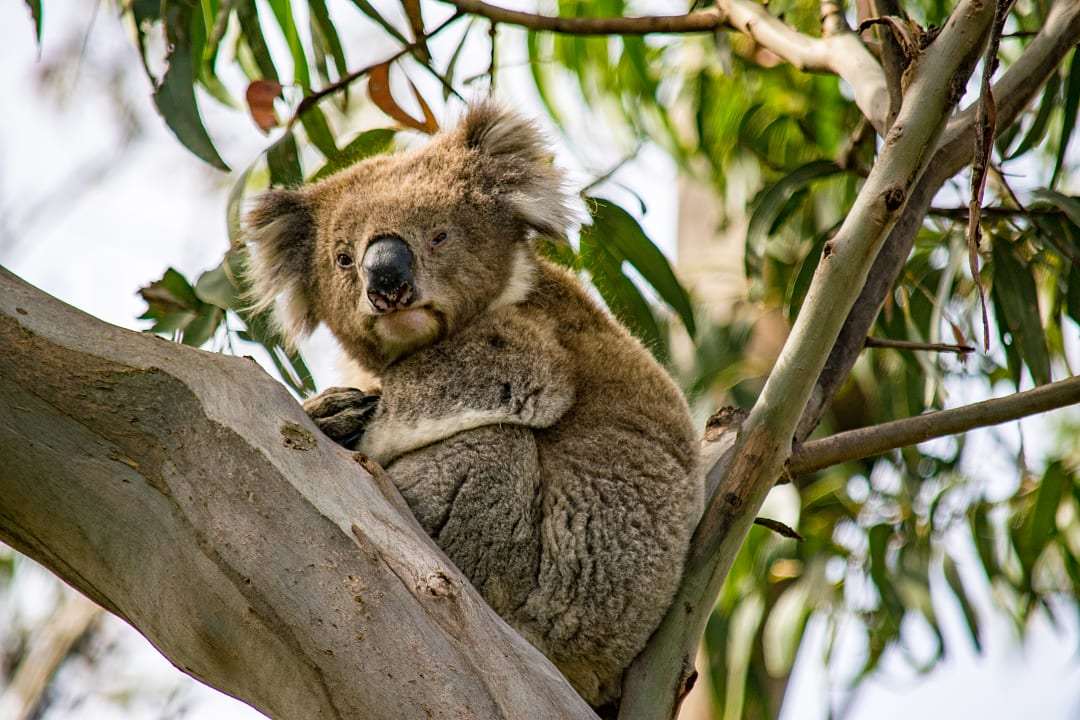
Koala in Great Otway National Park, Victoria

Great Otway National Park protects one of the most significant populations of koalas in Australia. While many see koalas from the road, exclusive koala habitat experiences take you into private sections of the forest for a more intimate encounter. Beyond these animals, the park’s proximity to the Northern Territory via connecting flights makes it a great stop before embarking on helicopter wildlife safaris in the Northern Territory to see crocodiles and water buffalo from above.

What to Expect

  • Koala Sightings: Dedicated areas and private guided drives where koalas are frequently sighted at eye level.
  • Trekking Variety: Enjoying tailored walks that transition from ancient rainforests to the rugged coastline.
  • Iconic Stops: Leveraging the Great Ocean Road access to combine wildlife viewing with dramatic landmarks.
  • Nocturnal Wildlife: Evening excursions to spot nocturnal creatures, including wallabies and the elusive echidna.
  • Coastal Viewing: Visits to coastal spots for sightings of seals and colonies of little penguins.

Wildlife in Great Otway: Koalas • Wallabies • Echidnas • Seals • Penguins

Plan your scenic wildlife drive with our sample Grand Tour of Australia in Two Weeks.

10. Daintree Rainforest • Queensland

Crocodile in Daintree National Park, Queensland

The Daintree Rainforest is the oldest tropical rainforest in the world and a bastion of biodiversity. To see the forest truly come alive, nocturnal private guided walks in the Daintree reveal the creatures that hide during the day, such as the rare tiger quoll. Wander along the forest trails where cassowaries circle the floor and large crocodiles wade in the rivers, all under the expert care of a naturalist guide.

What to Expect

  • Ancient Ecosystem: Exploring a rainforest more than 180 million years old for a unique perspective on biodiversity.
  • Croc Cruises: Dedicated river cruises to safely and closely observe large saltwater crocodiles.
  • Cassowary Tracking: Specialized guiding to track the movement of the magnificent cassowary.
  • Nocturnal Discoveries: Guided night walks to observe unique possums, frogs, and the elusive tiger quoll.
  • Canopy Access: Opportunities to view the rainforest from elevated boardwalks or specialized canopy towers.

Wildlife in Daintree Rainforest: Kangaroos • Cassowaries • Crocodiles • Tiger quoll • Possums

Experience the unique mix of reef and rainforest on our sample Great Barrier Reef tours and vacations.

What Are the Most Iconic Australian Animals to See?

Short-beaked echidna foraging in tall grass, one of Australia’s rare egg-laying mammals.
Echidna, Australia

Australia is home to a staggering array of endemic species that have evolved in isolation for millions of years. From the high-energy hop of a kangaroo across a dusty plain to the slow-motion graze of a wombat in the Tasmanian highlands, these creatures are a central pillar of any luxury travel experience. Identifying the Great Eight on the reef or spotting a "mob" of kangaroos in the wild provides a deep connection to the ancient spirit of the land.

  • Marsupial Moments: Encountering kangaroos, koalas, and wallabies in their natural, protected habitats.
  • Monotreme Rarities: Spotting egg-laying mammals like the echidna and the elusive platypus in freshwater streams.
  • Marine Giants: Swimming alongside whale sharks, manta rays, and migrating humpback whales.
  • Avian Wonders: Observing the prehistoric cassowary or the vibrant plumage of tropical parrots.
  • Reptilian Power: Witnessing the majesty of saltwater crocodiles from the safety of a river cruise.

When is the Best Time to See Wildlife in Australia?

Tasmanian devil in its natural habitat, best observed during Australia's cooler autumn months.
Tasmanian Devil, Australia

Because Australia spans several distinct climate zones, the best time to visit depends entirely on which wildlife hotspots you wish to prioritize. The northern tropical regions are best explored during the dry season for easier access to rainforest trails, while the southern temperate parks offer distinct seasonal behaviors, such as whale migrations or penguin nesting. Planning with a specialist ensures your itinerary aligns with peak activity for your target species.

  • Reef Season: Snorkeling the Great Barrier Reef is ideal from June to October for maximum clarity.
  • Whale Migration: Witnessing humpback whales along the coastline during their journey between May and November.
  • Whale Sharks: Visiting the Ningaloo Reef specifically between March and July for these gentle giants.
  • Nocturnal Activity: Observing Tasmanian devils and quolls more easily during the cooler autumn months.
  • Nesting Periods: Visiting Kangaroo Island or Montague Island in summer in the Southern Hemisphere for sea lion pups and penguin activity.

How Can I See Australian Wildlife Responsibly?

Kangaroo standing in a coastal field, an iconic marsupial found in Australia's natural habitats.
Kangaroo in Tasmania, Australia

Sustainable and respectful viewing is paramount to preserving the delicate ecosystems that support Australia’s unique fauna. By choosing eco-certified tours and private guides who specialize in low-impact observation, you contribute to conservation efforts while enjoying a more intimate encounter. Private charters and small-group excursions allow for a quiet, respectful atmosphere that does not disturb the animals’ natural behaviors.

  • Expert Guides: Utilizing certified naturalists who prioritize animal welfare and provide deep environmental education.
  • Distance Awareness: Maintaining respectful distances to ensure wildlife remains undisturbed while you observe their behavior.
  • Eco-Luxury Stays: Choosing lodges that actively participate in local habitat restoration and protection programs.
  • Regulated Encounters: Participating in strictly managed, eco-conscious swims with whale sharks or manta rays.
  • Conservation Support: Visiting sanctuaries that focus on the rehabilitation of endangered species like the Tasmanian devil.

Explore the Best Places to See Wildlife in Australia

Mama and baby koala in a a tree
Mama and baby joey koala

Whether searching for beloved Australian animals like koalas and kangaroos or traveling to secluded areas to spot Australia’s most unusual wildlife, you can enjoy the natural splendors and sheer beauty of the Australian wilderness on Australia tours and vacations to any of these premier locations.

For more insight on travel in Australia and to find out everything you need to know as you plan your wildlife adventure, explore tips and advice in our Australia travel guide.

30,000+ Verified Traveler Reviews