Best Time to Visit the Peloponnese
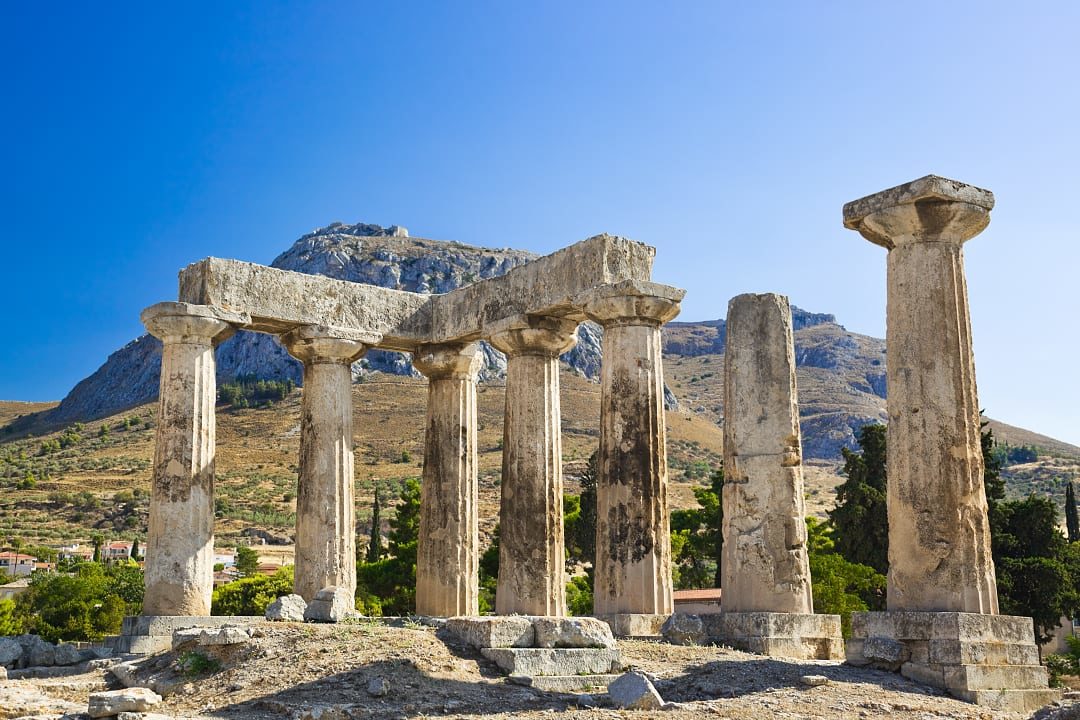
Late April through June and September through October unveil the Peloponnese at its most hospitable for family travel. Temperatures are warm enough for beaches and outdoor exploration without the intensity of July and August, when the sun's heat can make midday site visits genuinely uncomfortable for younger children. The shoulder seasons also mean lighter crowds at the major archaeological sites. This is an advantage at Epidaurus and Olympia, where the spatial experience of a near-empty ancient theater or stadium is qualitatively different from navigating it alongside a tour group. Families constrained to summer holidays will find the Peloponnese manages peak season better than the islands, with earlier booking and timed entry sufficient to preserve the quality of the experience. For more information on the weather in Greece, see our article on the Best Time to Visit Greece.
Getting Around the Peloponnese
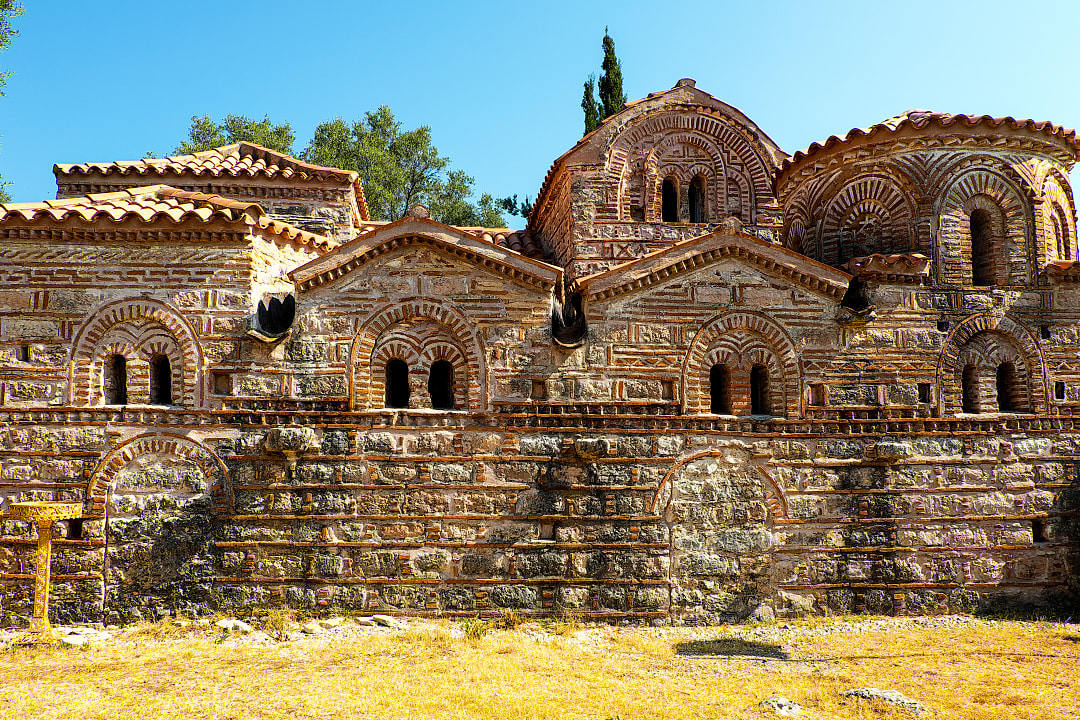
The Peloponnese is best explored with a private driver or self-drive rental, which gives you and your loved ones the freedom to stop at gorge viewpoints, roadside olive presses, and Byzantine chapels. Distances between major sites are manageable and the road quality on the main routes is good. For families staying in a single base and making day trips, the Nafplio or Kalamata area offers the broadest access to the peninsula's highlights. Our specialists can design a routing that eliminates backtracking and ensures the best sites are visited in their most favorable light conditions.
Greek Hospitality and Children
The Peloponnese shares mainland Greece's deep-rooted culture of hospitality toward children, but expresses it with a warmth that feels less rehearsed than in the major tourist centers. Taverna owners will bring children to see the kitchen, proprietors at rural guesthouses will produce homemade spoon sweets without being asked, and the particular Greek habit of treating visiting children as a collective responsibility rather than a private parental concern is more pronounced here than anywhere else in the country. Families traveling with young children will find the practical infrastructure of the Peloponnese reliable. English is spoken across all tourist areas, private medical care of a high standard is available in the larger towns, and food safety standards are consistently good.
Pacing Your Pelopponese Itinerary
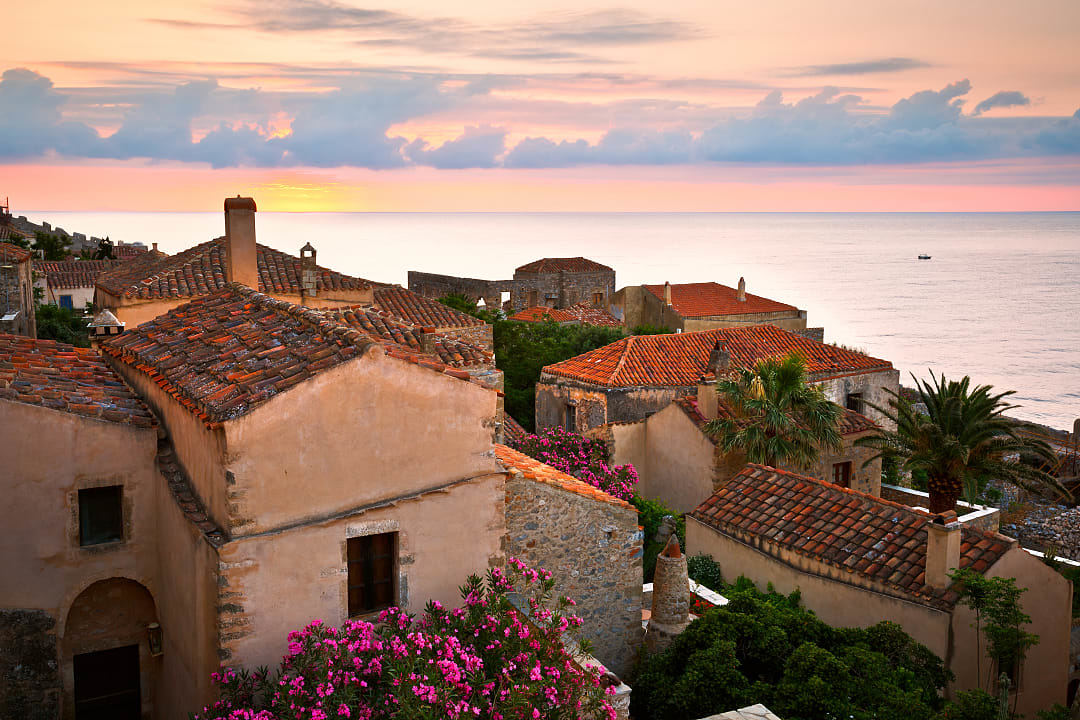
Resist the temptation to over-schedule and the Peloppense will reward you. The most memorable experiences tend to emerge from unhurried time in a single place, like a morning at Olympia that extends into a long lunch in the village or an afternoon at Monemvasia that becomes an evening walk along the ramparts at dusk. Our specialists will build breathing room into your itinerary rather than filling every hour, ensuring there is space for spontaneous discovery of an unmarked Byzantine church, a cove visible from a trail, or a conversation with a local who offers to show you the ruins no guidebook covers. That defines the best travel in this part of the world.
Where to Stay
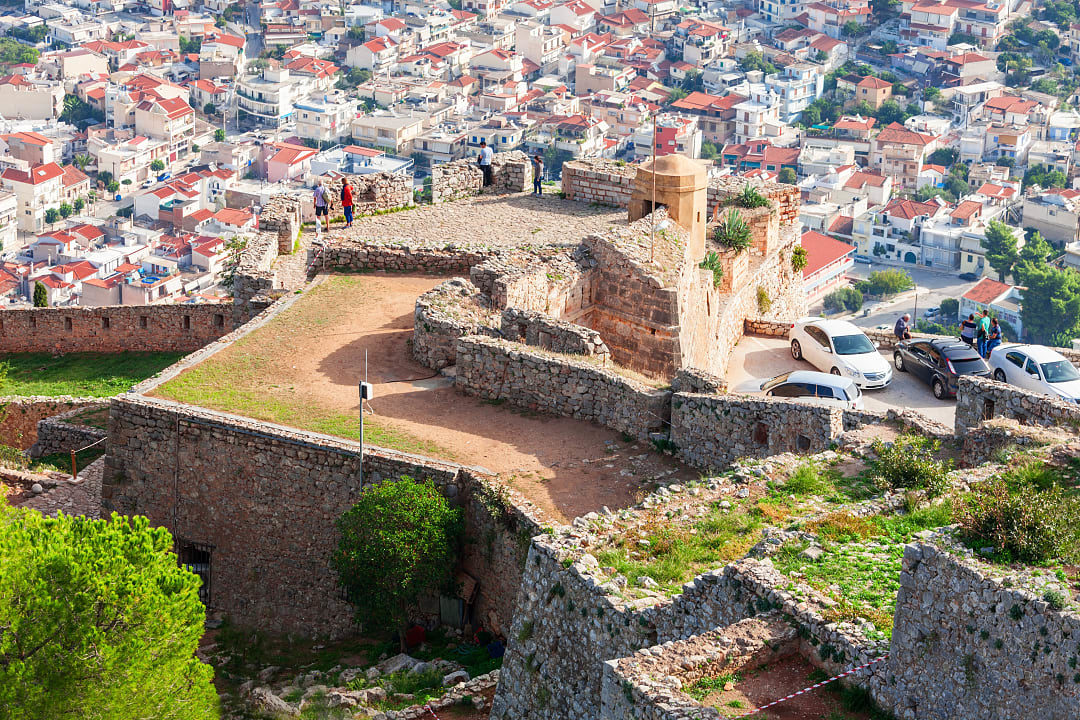
Accommodation across the Peloponnese ranges from boutique guesthouses in restored tower houses to contemporary luxury hotels with infinity pools facing the Aegean. Nafplio offers the widest selection of quality accommodation with the easiest access to the greatest number of sites, making it the natural base for families on a first visit. For those seeking a more immersive experience of specific regions, a guesthouse in Kardamyli for the Mani and southern coast, or a luxury property near Olympia for the northwestern Peloponnese, rewards a longer stay.
Food and Dining
The cuisine of the Peloponnese is among the most honest in Greece. It is rooted in a landscape that produces exceptional olives, wine, citrus, and lamb, and expressed in dishes that have been refined over generations rather than developed for a tourist menu. Families willing to follow a local recommendation rather than a review aggregator will find tavernas where a meal of grilled octopus, slow-cooked lamb, and Nemea wine represents a complete education in regional cooking. The Kalamata area is particularly rewarding for food-focused families. The local olive oil is among the finest in the world, the fig honey is extraordinary, and the tradition of preparing food for guests as an expression of genuine welcome is alive in every household and hotel kitchen. Tempt your taste buds with our customizable Epic Culinary Tour of Aegean Flavors.