Italy may appear, at first, to be one of the most difficult destinations for a traveler with celiac disease. Pasta, pizza, bread, pastries, flour-based sauces, and shared kitchens are fundamental to the country's culinary identity.
In practice, Italy has developed one of the world's most established infrastructures for gluten-free dining, which is a large part of why the country keeps coming up in any search for the best luxury tour operators for celiac travelers. The country's strong celiac awareness and the work of the Associazione Italiana Celiachia, or AIC, have created a network of restaurants, pizzerias, hotels, cafés, and other establishments trained to serve celiac travelers through its Alimentazione Fuori Casa program. The AIC guide includes more than 4,000 participating establishments across Italy.
That support can make Italy an exceptionally rewarding destination for travelers with celiac disease, but it should not be misunderstood as a blanket guarantee for every allergy or every restaurant.
AIC-certified establishments offer a stronger foundation. The AIC's Alimentazione Fuori Casa program is not simply a restaurant list with gluten-free options. Participating establishments receive training and follow procedures intended to support safe gluten-free service, including kitchen protocols and staff education.
Travelers should look for businesses participating in the program or ask their Zicasso specialist to prioritize restaurants with established gluten-free procedures. A restaurant that offers a gluten-free pasta substitute may still not have the processes needed for a traveler who must avoid gluten strictly. The distinction matters: a gluten-free choice is not necessarily the same as a celiac-safe dining environment.
That volume, though, creates a problem. A list of more than 4,000 participating establishments is reassurance on paper, but working through it restaurant by restaurant, weighing reputation, ambiance, and whether a kitchen trained for gluten-free service also delivers the kind of meal a luxury traveler expects, is a multi-day project. A specialist has already done that filtering, setting aside the AIC-certified pizzeria that is safe but forgettable in favor of the handful in each city that pair certified procedures with a dining experience worth building an evening around and arriving with reservations already secured rather than a shortlist still to vet.
Senza glutine is useful, but should be contextualized. Senza glutine, meaning "gluten-free," is widely seen on menus, packaged products, supermarket shelves, and in many food-service settings across Italy. This visibility gives celiac travelers more options than they may expect, from pasta and pizza to pastries and gelato.
However, the traveler's exact needs still matter. Someone avoiding gluten by preference may be comfortable with a broader range of restaurants than a person with celiac disease or a medically significant wheat allergy. A Zicasso specialist can distinguish between those needs rather than applying the same restaurant recommendation to every gluten-free traveler.
What a specialist can arrange: a private cooking class built around certified ingredients. In Tuscany, a private cooking class is one of the most requested experiences on a food-focused itinerary. It is also one of the easiest places for a celiac traveler to be quietly let down by cross-contact if the kitchen is not chosen carefully. A specialist who knows the region can arrange a private class with a cook who works exclusively with certified gluten-free flour, pasta, and bread, using a kitchen and equipment kept separate from standard preparation, so a traveler with celiac disease can roll pasta by hand alongside everyone else in the group rather than watching from the side with a pre-made substitute. The same advance coordination can extend to sourcing the meal's other ingredients regionally, so the experience feels like an afternoon in someone's Tuscan kitchen rather than a modified version of one.
Pharmacies can be valuable support points. Italian pharmacies frequently stock certified gluten-free products and can be useful for travelers who want dependable snacks, bread, pasta, or emergency provisions between meals. This can be particularly helpful in smaller towns, on travel days, or when dining hours do not align with a traveler's schedule.
A well-designed itinerary can also account for practical needs such as nearby pharmacies, hotel breakfast options, packed lunches for touring days, and restaurants that can prepare a suitable meal after a late arrival.
The infrastructure is strongest for gluten. Italy's celiac support should not be generalized automatically to shellfish, tree nut, dairy, egg, sesame, or other allergies. These restrictions require restaurant-by-restaurant assessment, clear advance communication, and attention to cross-contact just as they would elsewhere.
A traveler with celiac disease and a severe tree-nut allergy, for example, needs a plan that accounts for both risks. A restaurant may be well trained on gluten-free preparation, but still use nuts extensively in desserts, sauces, pesto, or shared pastry equipment.
The strength of Zicasso's personalized approach is that it does not treat "Italy is good for gluten-free dining" as the end of the conversation. It asks what the traveler must avoid, how severe the reaction may be, what level of flexibility they have, and which culinary experiences matter most.
Regional differences still shape the experience. Italy's culinary traditions vary substantially by region. Naples has developed a strong reputation for gluten-free pizza, while Rome, Florence, Bologna, Sicily, and smaller towns each offer different restaurant landscapes, ingredients, and levels of familiarity with dietary accommodation.
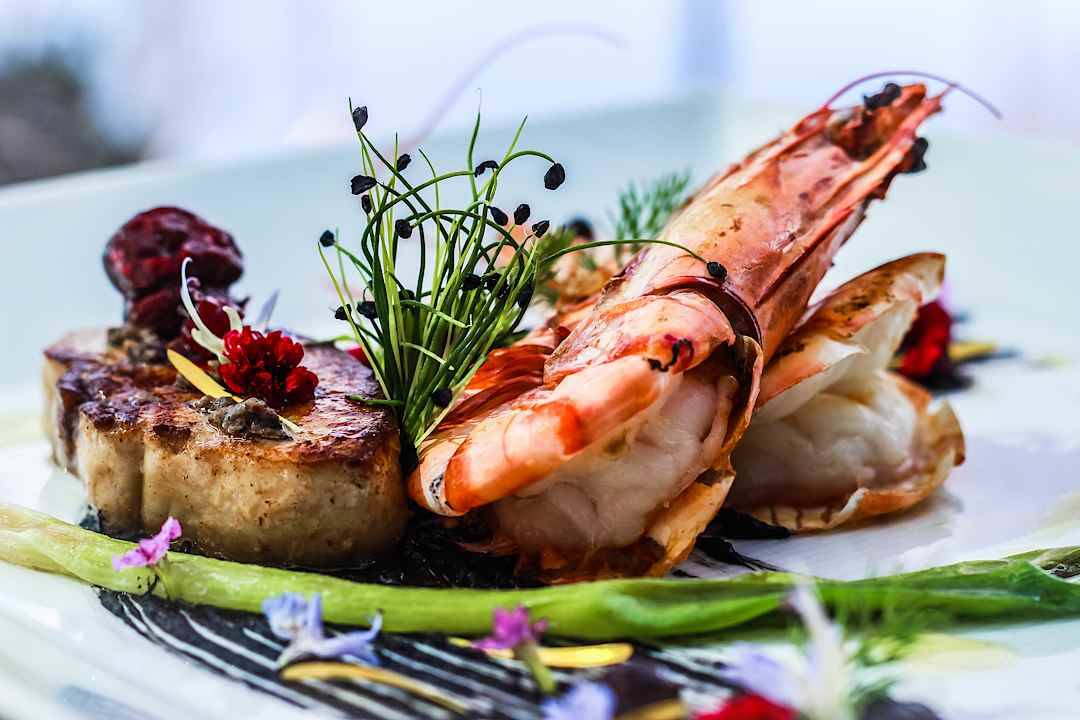
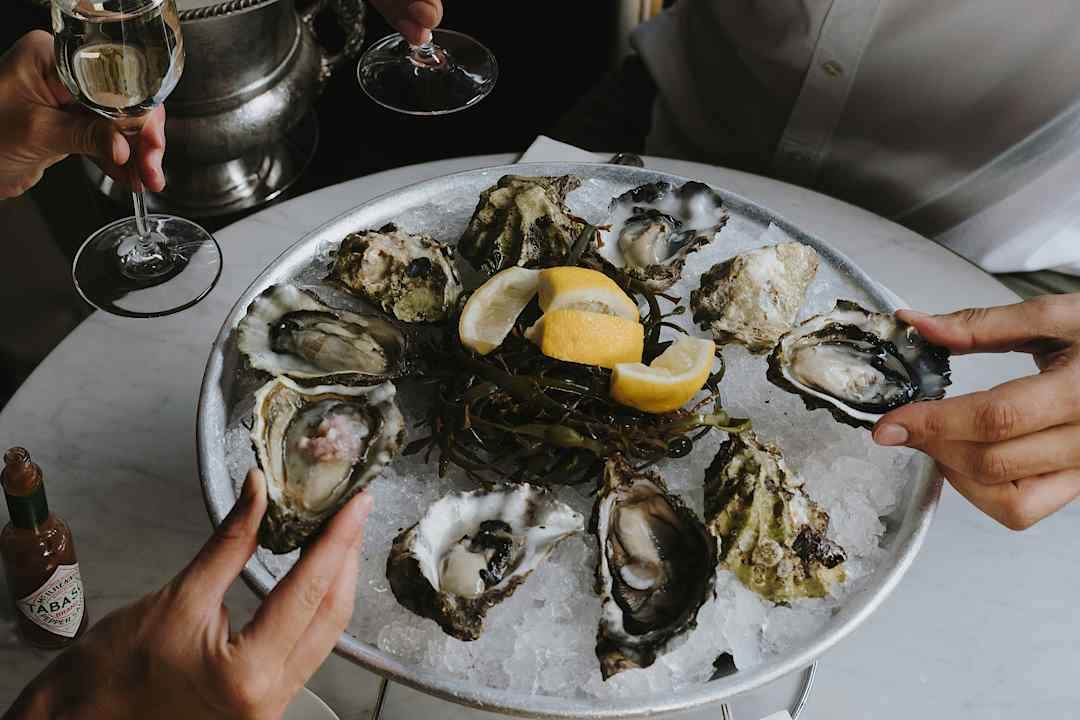
A traveler whose dream is to enjoy pizza in Naples, truffle dishes in Umbria, seafood on the Amalfi Coast, or food markets in Sicily should not have to abandon those ambitions. They need an itinerary that identifies where the safest and most rewarding versions of those experiences are likely to be found, and a celiac-safe luxury resort with a private chef built into a few nights of the route can turn what would otherwise be the most stressful stretch of the trip into one of its easiest.
That is the difference between avoiding food and traveling through a cuisine with confidence.
To inspire your food-focused trip to Italy, see our best Italy food tours and vacations.