Italy earns its place at the top of this list not because it is easy, but because it is endlessly readable to children. History, food, and daily life unfold in settings that feel more like a living stage set than a museum. A ten-year-old can lick gelato beneath columns that Julius Caesar once walked past and feel the gap between those two facts close into something real. That is Italy's particular gift to families: it makes the abstract tangible, and it does so deliciously.
- Villa living as a home base: A restored Tuscan villa gives children something a hotel never can: a place that feels theirs briefly. They can race across lawns in the morning and collapse under pergolas at night while adults linger over wine and candlelight. The villa's kitchen becomes a natural classroom, with markets in the morning and pasta-making in the afternoon, providing a day that children remember with unusual clarity long after the trip ends.
- Culinary apprenticeship: A morning at a historic estate learning to roll pasta or shape gnocchi turns cooking from a background activity into a skill children can take home. A local chef who explains why each region favors particular sauces gives children their first real lesson in the idea that food is geography. Recipes recreated in your kitchen months later will carry more meaning than any souvenir.
- Coastal freedom: A private yacht along the Sardinian or Amalfi coast gives children the specific joy of swimming somewhere that feels discovered rather than scheduled, from a hidden cove to water that shifts from turquoise to deep blue and a lunch of grilled fish served just above the waterline. For children who are strong swimmers, jumping from the stern becomes the highlight of the trip.
- History that connects to school: In Rome, a private guide can turn the Forum and Colosseum into stories of ambition, empire, and everyday life that click into place for children who have already encountered these names in class. Younger children respond to the narrative; older kids start asking questions the guide has to work to answer. That shift from passive listener to active interrogator is one of the things travel can do for children that nothing else quite replicates.
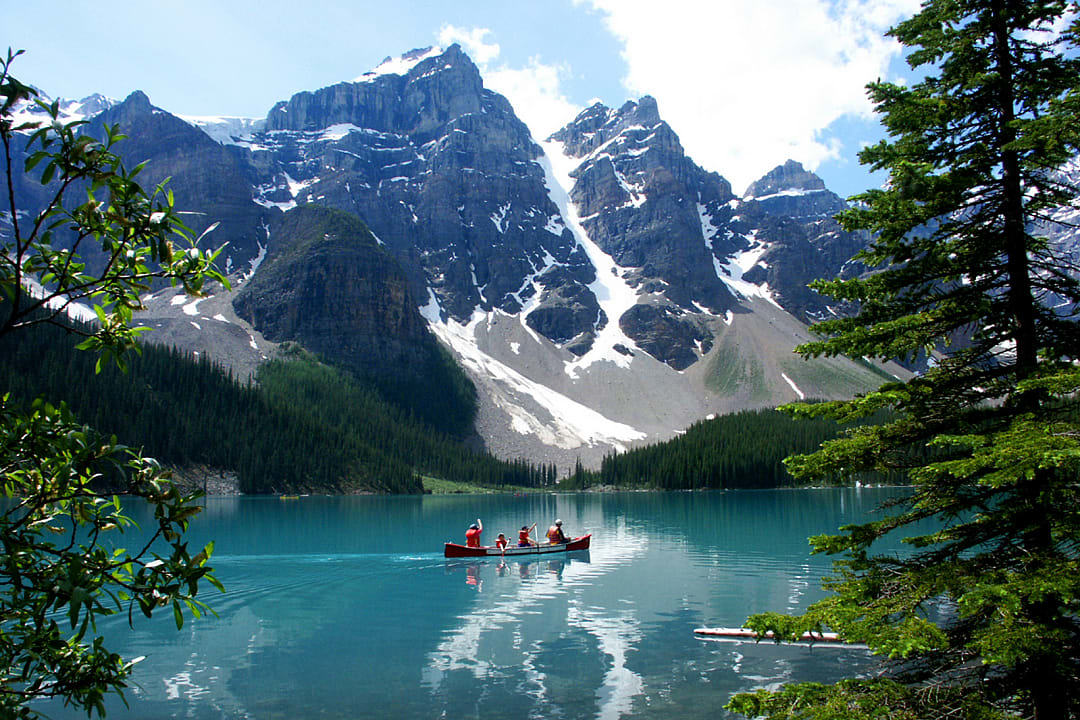
- Mountain perspective: In the Dolomites, trails that range from gentle meadow walks to more challenging hikes let children set the pace and feel genuine accomplishment when they reach a viewpoint. The clean air and open landscape have a quieting effect on even the most overstimulated child, which parents tend to notice and quietly appreciate.
Best for: Ages five and up; particularly strong for ages eight to 16
Use our Italy Family Vacation: Rome, Florence, Amalfi Coast as the foundation for an itinerary tailored to your children's ages and interests.