
Shoulder season is the time between a destination's high and low travel seasons, when conditions are usually still appealing, and demand begins to ease. It differs from the off-season or low season, the quietest stretch of the year, when rates fall furthest and many seasonal hotels, ferries, and lifts close. Every destination and activity within it keeps a calendar, and Zicasso's guide to high, low, and shoulder seasons explains how those distinctions play out across different kinds of trips.

Pantheon, Rome.
A September morning in Rome still brings gentle light across the Pantheon's portico, a caffè taken standing at the counter, and an hour to linger in the piazza before the day gathers pace. By midmorning, the same square can be full. The advice to skip peak summer has become so familiar that its alternative is no longer reliably quiet.
Shoulder season does still exist, though it is less dependable as a month-long promise. September can feel like an extension of peak season in one destination and a welcome slowdown in another. October can offer a well-paced city trip and, in the same week, reduced ferry service on an island itinerary. The more useful question is which weeks give you the experiences you want, with trade-offs you are willing to accept.
Extraordinary travel begins with a human touch, and our destination specialists design every journey with care, insight, and personal attention. As you consider when to travel, use the following information as a guide before connecting with our travel experts to help you plan your trip. Your specialist builds a private, fully personalized route around your pace and interests, timing each stop around the week a coastal hotel stays open, the days a festival fills a city, and the conditions that make one region more rewarding than another.
What Is Shoulder Season?

September Is Becoming Europe's New Peak

In Europe's most popular destinations, September is now much like summer. For years, it was recommended as the clever alternative to August, and so many travelers took that advice that demand has moved close to summer levels in the places they most want to see. Reporting from Euronews on Spain's "Super September" shows the same pattern across the wider market, with industry data pointing to steadily rising interest in September travel since 2023.
Zicasso’s travelers show the shift clearly. September requests grew 32% in a single year, from 2026 to 2027 departures, and our 2027 Travel Trends Report now counts September among the core travel months for our travelers. Meanwhile, May and June together fell from 36.3% of requests for 2025 departures to 33.0% across 2026 and 2027 departures combined. May remains the single busiest month, at 18.5% of requests for 2027 departures, against September’s 10.1%. (Source: Zicasso trip requests, 2025 to 2027 departures.)
Shoulder season has moved. When more travelers choose the same alternative weeks, the old shortcut of waiting until September no longer avoids the crowds. The quieter opportunities have shifted to particular weeks, regions, and experiences. Demand still concentrates in the famous names, so smaller cities and rural regions can feel noticeably quieter during the same September days that fill Florence or Santorini. September is still a strong choice for warm seas and long evenings, provided you expect company in the most famous places and look to smaller towns for calmer days.
Shoulder Season's Old Benefits Now Need Checking
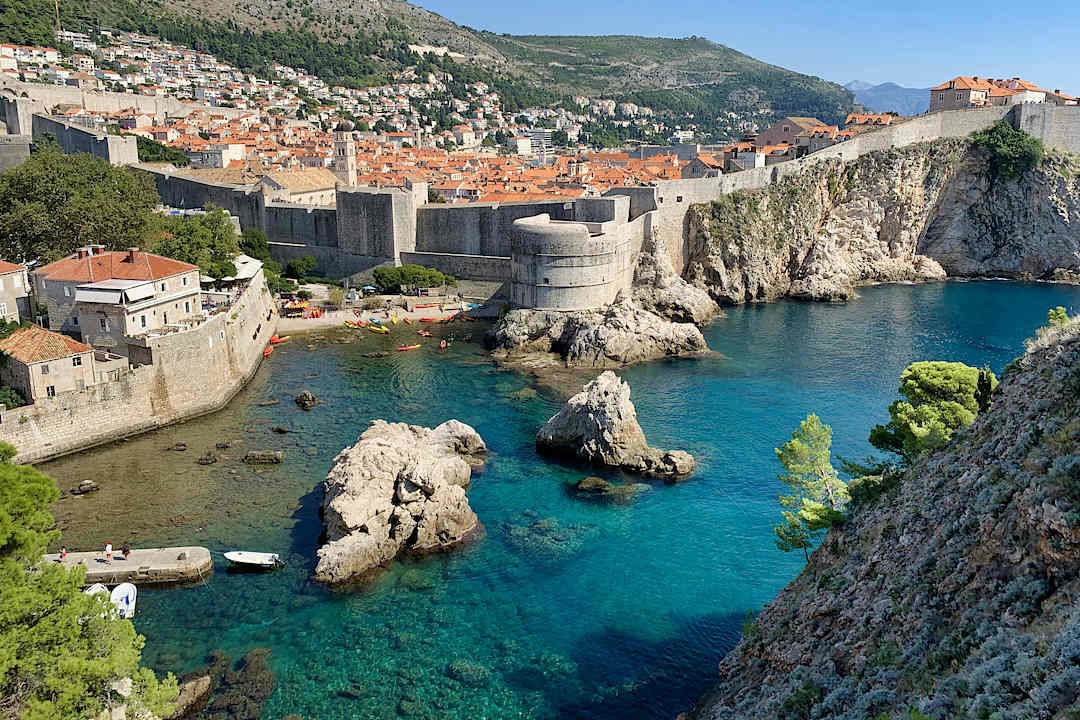
Fewer crowds, lower prices, and pleasant weather made shoulder season famous. Each still holds in the right place and week, but now needs checking before you book.
Crowds Ease in Smaller Places, Less So in Famous Ones
Shoulder-season crowds depend on the place more than the month. Smaller cities and rural regions often feel calmer than in August, while the most sought-after destinations may offer only modest relief. Italy's major art cities draw visitors year-round, so a famous sight in October still calls for planning. Fewer crowds come down to the place, the day, and the hour. A nearby town, a rural base, or an earlier start can change how the same week feels.
- Cruise Calendars: In ports such as Santorini, Dubrovnik, and Kotor, checking ship schedules before fixing dates can mean choosing a day with fewer vessels in harbor.
- Early Starts: Arriving at a major site close to opening time, with a private guide who has planned the route, makes the most of its calmest hours.
- Evening Openings: In Paris, the Musée d'Orsay stays open until 9:45 p.m. on Thursdays, and the Louvre until 9 p.m. on Wednesdays and Fridays, after most daytime tour groups have left and the galleries are calmer.
- Second Cities: Bologna, Verona, or Lecce offer Italian art, food, and architecture with a fraction of the crowds found in Florence or Venice.
- Flexible Days: Keeping one day unscheduled at each stop lets you visit a popular site when conditions and crowds look best.
A Zicasso specialist builds those choices into the itinerary, pairing an early guided visit to a major landmark with an afternoon in a calmer neighborhood, or placing you in a smaller base with a day trip into a busy city.
Shoulder Season Isn't Reliably Cheaper
Islands and beach towns often drop rates in autumn, while major cities and event weeks hold close to summer prices. Fewer visitors do not automatically mean lower rates, and high demand for a particular week can keep prices firm long after summer ends. The lowest prices tend to arrive in the low season, from about November to March, outside the Christmas and Easter holidays, when many coastal and mountain resorts are also closed. Shoulder-season deals still exist, but they depend on where and when you go.
When comparing offers, weigh the whole trip, from flights and accommodations to transport between stops and what you can do once there. A slightly higher rate in a week of warm seas and open restaurants can be worth far more than a bargain in a week of closures. Further, a lower nightly rate means little if the boat trip that drew you to an island has stopped running.
October Strikes the Weather Balance in the South
For much of southern Europe, October offers the best balance of comfortable weather and thinner crowds, but what counts as good weather depends on your plans and shifts week by week. In Italy, the choice between September and October comes down to late-summer warmth, when sea swimming is still dependable, against milder days better suited to long walks through cities and hill towns. The tradeoff is daylight. In Rome, sunset moves from just before 7 p.m. on October 1 to around 5 p.m. by early November, after European clocks go back on the last Sunday of October. Late in the month, that makes early starts worth more: outdoor sites in the morning, and museums saved for the dark late afternoons.
The Mediterranean can still offer beach days in October, especially in the Greek islands. On Crete, daytime highs typically reach the mid-to-upper 70s°F, and the sea stays around 72°F to 75°F, warm enough for a long swim. Rhodes sees similar highs, which extends the beach season across the Dodecanese. On a multi-stop trip, check conditions at every stop, since a week that suits Crete may not suit an alpine hike.
Our travel specialist can pair each weather-dependent day with a worthwhile indoor alternative, from a private tasting to an after-hours museum visit, so no important moment hangs on sunshine alone.
Where and When Shoulder Season Works Now
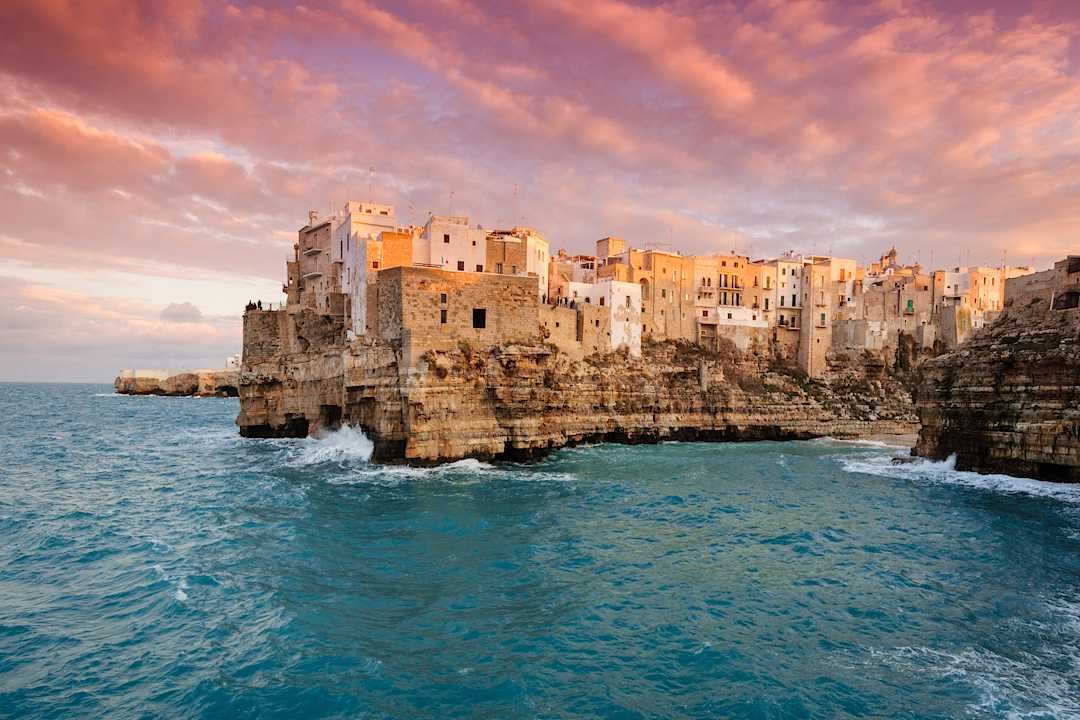
The calendar gives a starting point, while the destination, the week, and what is happening locally decide whether a shoulder-season trip works.
Europe's Core Shoulder Months Are April to May and September to October
Europe’s core shoulder months run from April to May in spring and September to October in fall, on either side of the summer months, when school holidays send families abroad in the largest numbers. The edges stretch wider depending on where you go, which is why Zicasso’s Best Time to Visit Europe guide frames the shoulder seasons more broadly, as March to May and September to November. Within those months, each region keeps its own calendar, as the Italy and Greek island sections below show.
October's First and Last Weeks Differ Sharply
October is a shoulder month across most of Europe, but in seasonal destinations its first and last weeks can make for very different trips. Early October usually keeps coastal hotels, restaurants, and ferries running at close to full strength. By the final week, many island and coastal businesses are closing, and mountain lifts have paused, while Europe’s cities carry on much as before.
The Week Now Matters More Than the Season
The most useful planning unit is now the week. The right time is a particular stretch of days shaped by school calendars, public holidays, hotel closing dates, and ferry frequencies, and any one of them can separate two neighboring weeks. A traveler choosing between late September and late October on a Greek island needs a different answer from someone choosing between those weeks in Florence. Once you know those patterns, choosing a week becomes a sharper decision than choosing between spring and fall.
In Puglia, a well-chosen October week can mean a picnic in one of the region’s oldest olive groves, among trees more than 2,000 years old, followed by an afternoon in Polignano a Mare, where the old town sits on cliffs above the Adriatic. Lunch at a masseria stretches into late afternoon over orecchiette and a glass of local primitivo.
Time that week in Puglia with Zicasso’s Perfect 9-Day Puglia Exploration, which can be customized to include the destinations you wish to visit.
Who You'll Share the Week With
The week you choose also decides who travels alongside you. Zicasso’s data shows a clear pattern of which travelers dominate each month, and the school calendar adds one more:
- June Gatherings: June is the multi-generational month, when those trips make up 15% of requests, more than twice their usual share.
- July Families: July is the family month, at 18% of requests, double the usual share.
- September Friends: Groups of adults rise in September to 26% of requests against 22% across the year.
- October Couples: October belongs to couples, at 68% of requests against 57% across the year, and it is when Japan enters their top three destinations.
- Half-Term Weeks: Autumn half-term holidays in the UK and Ireland bring a brief return of family travel in late October.
Source: Zicasso trip requests, 2025 to 2027 departures.
A couple hoping for quiet dinners and an unhurried pace may find October suits them on more than weather alone, while a family group may welcome the company of other children in July.
Events Can Turn a Quiet Week into a Busy One
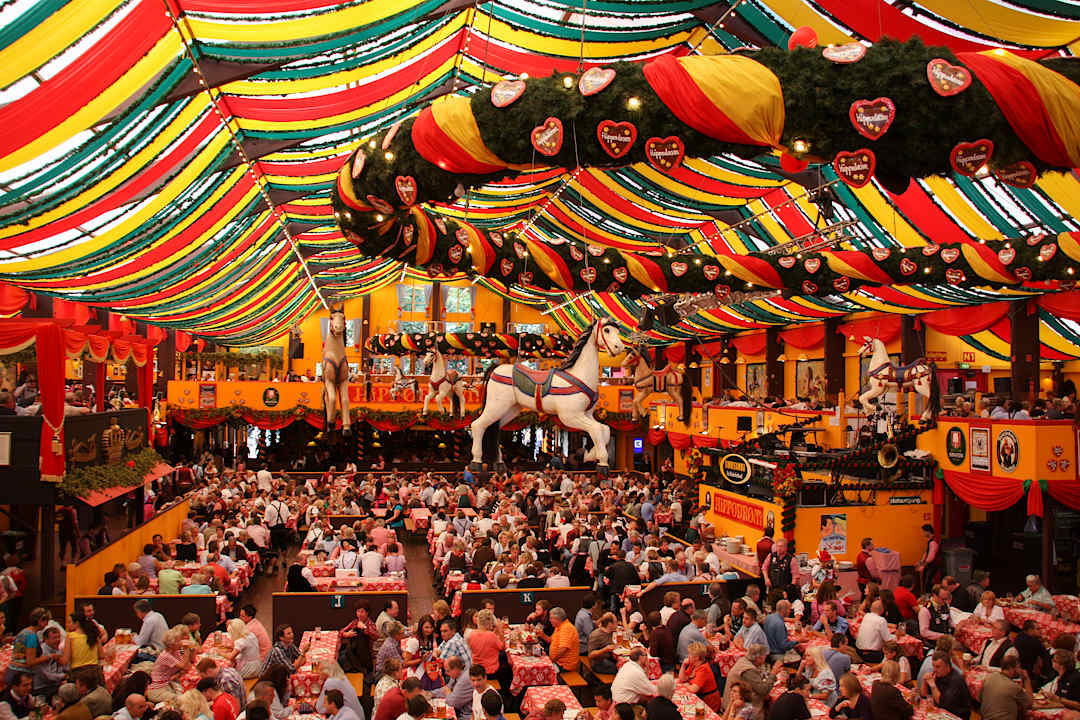
A festival, holiday, sporting event, or trade fair can make an otherwise calm week one of the busiest and most expensive of the year. Demand for rooms in one city can multiply for a few days, and hotels price accordingly, which is why planning any shoulder-season trip starts with a local events calendar.
Munich's Oktoberfest shows how this works. Despite its name, the festival opens in the second half of September and closes in the first days of October (September 18 to October 3 in 2027). That timing suits travelers who come for the festival. Anyone hoping for a quiet stay in Munich should avoid those weeks, since the event draws millions of visitors.
The total solar eclipse of August 2, 2027, is the clearest example of a single date reshaping a season. Its path of totality crosses southern Spain and North Africa, including Morocco and Egypt, where totality near Luxor is expected to last more than six minutes. One in five of Zicasso's requests for 2027 trips to countries in its path mentions the eclipse, and eclipse travelers account for most of our requests for July departures to Morocco and Egypt. They are filling desert and Nile Valley itineraries in weeks of heat that would normally keep demand low. A private viewing that your specialist arranges through a local partner, on a quiet stretch of the Nile's west bank far from the crowds gathered in town, is the kind of arrangement that needs securing early.
Other dates to check in the autumn shoulder months:
- Fashion Weeks: Milan and Paris host their spring-summer fashion weeks in late September and early October, adding pressure on hotels and restaurant reservations.
- Local and National Holidays: Catalonia's national day on September 11, the feast of San Gennaro in Naples on September 19, Germany's Unity Day on October 3, and Spain's national day on October 12 bring local crowds onto trains, roads, and city streets.
- Religious Holidays: All Saints' Day on November 1 is a public holiday in Italy, Spain, and France, and when it falls near a weekend, it becomes a long break that fills trains and countryside hotels.
- Trade Fairs: The Frankfurt Book Fair each October is one of several major trade fairs that can fill a city's hotels for a week, with prices to match.
- Sporting Fixtures: The 2027 Ryder Cup at Adare Manor in County Limerick, Ireland, runs from September 13 to 19, with three days of competition from September 17. It will fill hotels across Ireland's southwest that week, which matters for anyone stretching an Ireland coolcation into September.
Every Destination Has Its Shoulder Season
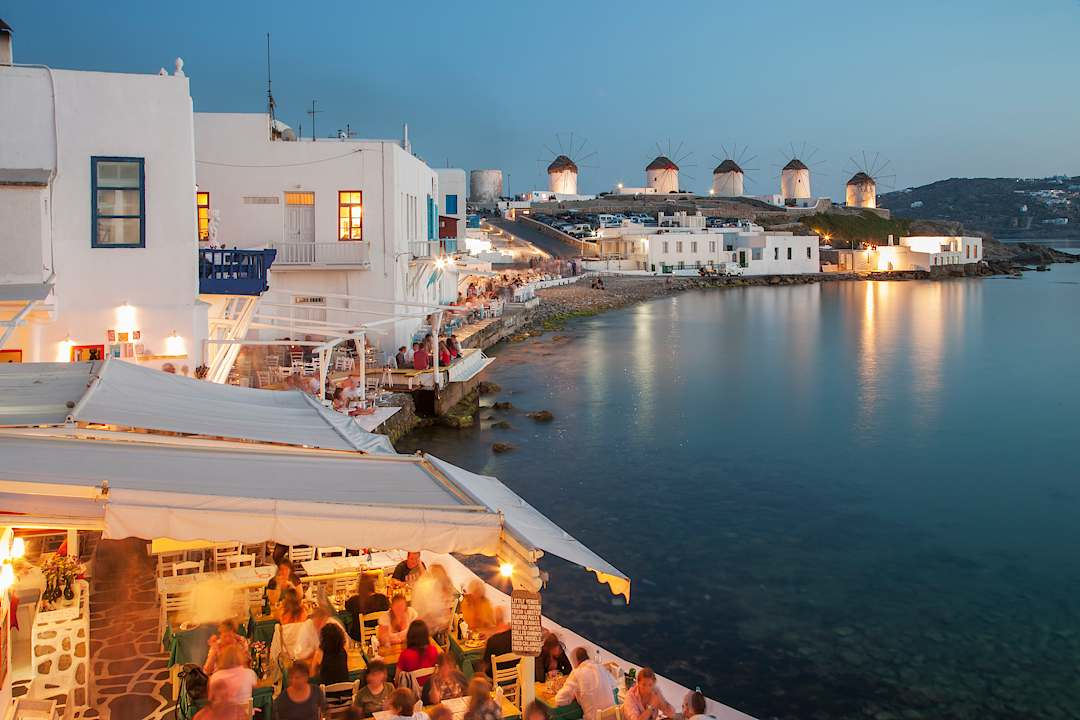
Shoulder season varies so much by destination that no single European window serves every traveler equally well. Italy's cities stay open year-round, many smaller Greek islands run on a tighter season that winds down through October, and the Mediterranean shoulder also follows the sea, which stays warm well into autumn in the south. This matters even more on a trip that combines regions, as anyone planning a multi-country trip quickly finds: a route through Rome, the Amalfi Coast, and the Dolomites needs each stop dated for what you plan to do there, since one month labeled "shoulder" for Italy will suit some stops and not others.
Greek Islands Wind Down Through October
Early October is the sweet spot for the Greek islands because the sea is still warm, while the summer rush fades. In each week after that, the islands divide more sharply between those that stay open and those that close.
- Early October: Seasonal islands such as Mykonos offer better hotel value as the crowds thin, with most businesses still operating.
- Reliable Bases: Athens and the main towns of Crete and Rhodes run year-round, and Fira on Santorini keeps most hotels and restaurants open into late October, making them the safer choices for a late-October trip.
- Smaller Islands: On Milos, Ios, and Folegandros, many businesses close as the month goes on.
- Main Ferries: Major routes from Athens to Santorini, Crete, and Mykonos keep daily sailings through the autumn.
- Inter-island Links: Some smaller connections between islands drop to every other day or less, so island-hopping routes need checking against the timetable.
Zicasso's Best Time to Visit Greece guide covers the full calendar.
Cities Stay Open While Resorts Follow the Week
In cities, almost everything operates through the shoulder season. In resort areas, what's open depends on the week. Fewer tourists mean fewer reasons for seasonal businesses to stay open, which is the season's central trade-off. Major museums, restaurants, and hotels in Europe's cities run year-round. Island and coastal destinations start closing from mid- to late October, and mountain resorts enter their autumn pause. The practical question is whether the experiences you want will be available on your dates.
Shoulder-Season Travel to Italy: Region by Region
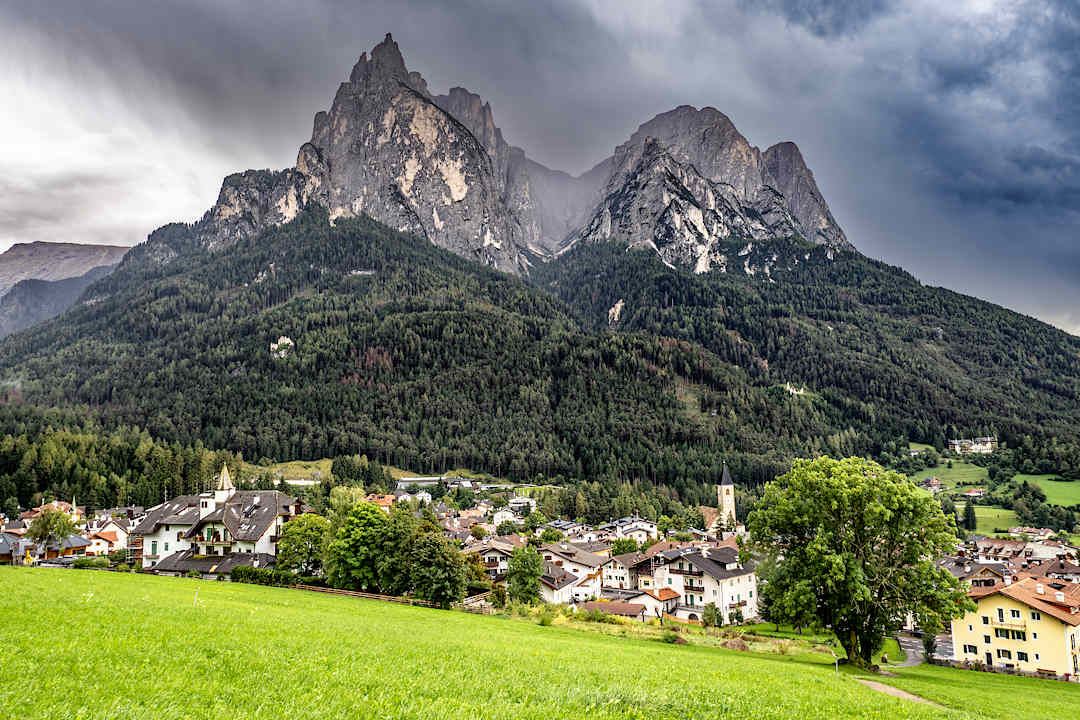
Shoulder-season travel to Italy works best when planned region by region because the country stretches roughly 750 miles from the Alps to Sicily, and its regions follow completely different calendars. The art cities stay open year-round, the coast winds down from mid-October, and the mountains have a quiet stretch between the hiking and ski seasons. Zicasso's Best Time to Visit Italy guide covers the year, with the fall picture looking like this.
The Art Cities Run Year-Round
Rome, Florence, and Venice operate in every season, so the right week there turns on events, holidays, and your tolerance for rain. Any autumn week works well outside fashion weeks and major holidays.
The Amalfi Coast Closes Around the First Weekend of November
The Amalfi Coast winds down from mid-October, and many seaside hotels and restaurants close around the first weekend of November, so the week before can feel very different from the week after. Positano largely closes from November to mid-March, while Sorrento is livelier through the winter. Many ferries and hydrofoils stop running over the winter, and much of the coast pauses until around Easter. This is why the low-season rates found here from November come with far fewer choices.
The Dolomites Pause Between Seasons
The Dolomites' hiking season runs roughly from mid-June to late September, with most mountain huts closing by mid-October. Most lifts close from early October until the ski season opens in early December, then run to about the end of March. Mid- to late October is the moment for the larch forests, when thousands of trees turn bright yellow against the pale rock. By then, however, a hiking trip has to work around closed huts and lifts, so the larches are best seen on valley walks. November falls quiet between the two seasons.
Pompeii Shortens Its Hours from November
Pompeii keeps its summer timetable, open until 7 p.m., through October 31. Its winter timetable runs from November 1 to March 31, with the site closing at 5 p.m. and last entry at 3:30 p.m., so a November visit works best in the morning with a private archaeologist guide.
Piedmont's Truffle Season Runs into December
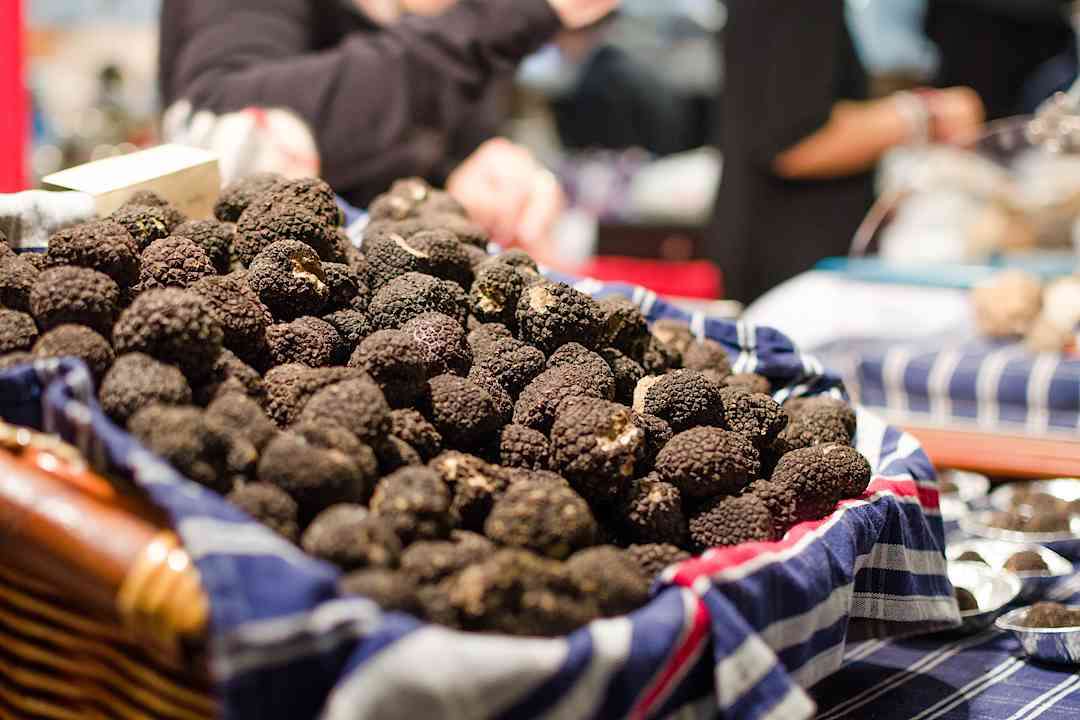
Alba's International White Truffle Fair runs from about mid-October into early December, which makes November prime truffle season too, and often a quieter one than the fair's opening weekends. On a dawn hunt your specialist arranges with a local trifolau, you follow him and his dog through damp oak and hazel in the Langhe woods. The hound works the ground until it stops and digs, and the hunter eases a knobbly white truffle from the soil by hand. Lunch afterward might be tajarin in butter with that truffle shaved over the top at the table, followed by an afternoon of private vineyard visits. Elsewhere, the olive harvest in Tuscany and Umbria runs through autumn into early December, bringing peppery new-season oil to the table.
The Best Week to Visit Italy in the Fall
The best fall week in Italy depends on the region, and each has a clear pick:
- Amalfi Coast: Early October, when the water is still warm, terraces are open, and boats still run to the grottoes.
- Piedmont Truffles: Late October to November, when the truffle fair is in full swing and the quieter November weeks still bring white truffles to the table.
- Dolomite Larches: Mid- to late October, when the larches turn gold, planned around valley walks once most huts and lifts have closed.
- Pompeii Visits: Late October, while the site keeps its longer summer hours and the heat of high summer has passed.
- Art Cities: Almost any autumn week in Rome, Florence, or Venice, provided it avoids fashion weeks and major holidays.
Plan a harvest-season journey with our Pleasures of Piedmont Tour: Wine, Truffles, and Celebration or our Best of Italy in Autumn: 14-Day Romantic Tour.
The Coolcation: Changing Where You Go in Summer
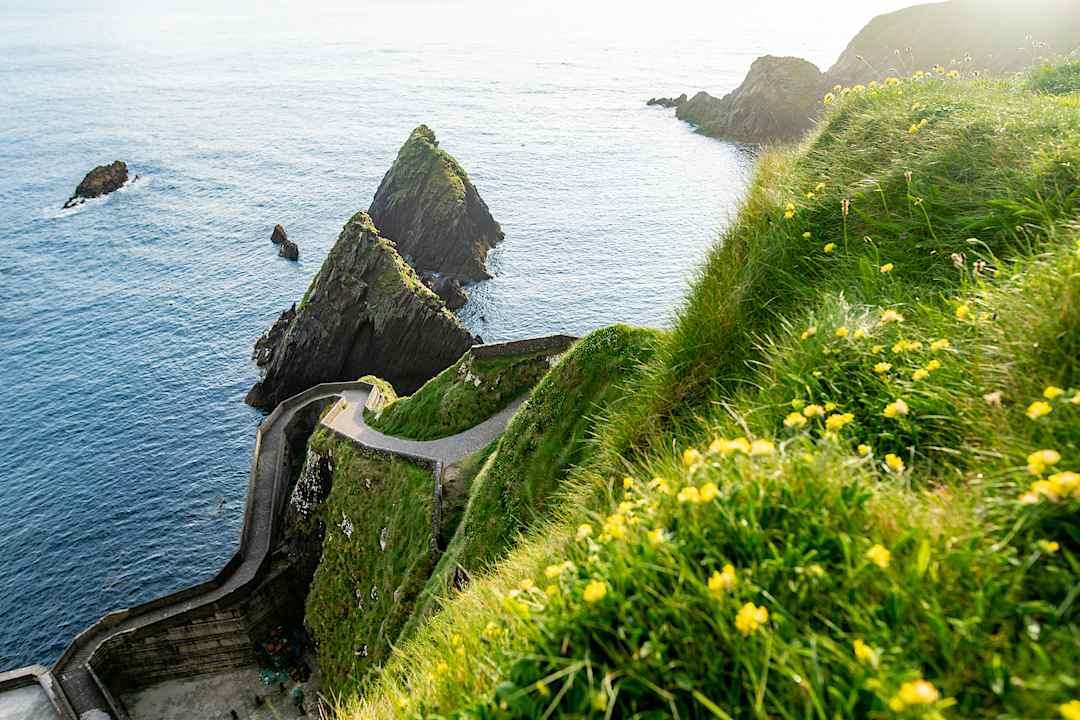
Between 2025 and 2027, some travelers have changed where they go in summer instead of when. A colocation trades the Mediterranean's July and August heat for destinations where summer brings mild days, long light, and comfortable walking weather, such as Ireland, Scotland, the Nordic countries, Iceland, and Canada.
Zicasso trip requests show how quickly that idea has taken hold. Summer requests to cooler destinations grew 81% between 2025 and 2027 departures, and their share of August requests rose from about 11% to about 18% over the same period. Ireland and Scotland account for more than half of that summer demand: 53% of requests for 2027 departures, and 56% across all three years. (Source: Zicasso trip requests, 2025 to 2027 departures.)
The appeal lies in what summer gives these places: their longest days, warmest weather, and full access to roads, ferries, and trails that winter closes. For travelers who love long summer days but prefer to skip the heat and crowds of the south, they offer peak season at its most comfortable.
- Irish Coast: Along Ireland's west coast, June evenings stay light until around 10 p.m., leaving time for a cliff walk after dinner.
- Scottish Highlands: A midsummer evening can stay bright enough for a loch-shore walk after a private tasting your specialist arranges with the distillery, where the distiller pours from casks you won't find on any shelf.
- Norwegian Fjords: Summer brings full ferry schedules and open mountain roads, putting the most dramatic fjord routes within reach.
- Icelandic Summer: Around midsummer, the sun barely sets, and the interior highland roads typically open from late June or July.
- Canadian Rockies: Mountain lakes such as Lake Louise are free of ice from around June, when hiking trails and scenic drives open up.
How to Choose Your Shoulder-Season Dates Now

Start with the experience, then choose the week. Before settling on a month, decide what the trip is for, whether that means calm galleries, warm-water swimming, harvest flavors, or a walking trip, then test each candidate week for every stop on your route.
- Destination First: Choose the place and its specific shoulder window before picking dates from the calendar.
- Weather Window: Weigh heat, rain, sea temperature, and daylight against what you plan to do each day.
- Crowd Pattern: Check school holidays, cruise schedules, and peak visiting hours at each stop.
- Open Doors: Confirm that the hotels, restaurants, ferries, and lifts your trip depends on will still be operating.
- Event Check: Look for festivals, holidays, trade fairs, and sporting events that could affect crowds and prices.
Settling your dates early keeps the widest choice of hotels, guides, and experiences for the week you want.
Frequently Asked Questions About Shoulder Season

Does shoulder season still exist?
Yes, shoulder season still exists, but it now works by the week rather than the month. The calmer, better-value weeks depend on choosing the right destination, checking what will be open, and avoiding local events.
Is September still considered shoulder season?
Yes, September is still considered shoulder season on the calendar. In Europe's most famous destinations, though, September demand now runs close to summer's. For beach trips, its warm seas remain a strong draw, and smaller towns stay calmer.
Is October still shoulder season in Europe?
Yes. October is a shoulder month across much of Europe, though seasonal islands and coastal resorts begin closing in its later weeks.
Is shoulder season actually cheaper?
Shoulder season is not reliably cheaper. Seasonal islands and beach towns often offer better value in autumn, while high-demand cities and event weeks can hold prices close to summer levels.
Is Europe crowded in September?
Yes, Europe is crowded in September in its most popular places, from Florence's galleries to Santorini on a busy cruise day. Smaller cities such as Bologna, Verona, and Lecce, and rural regions, often feel calmer during the same weeks.
What is the least crowded time to visit Europe?
Low season, roughly November to March outside the holidays, is generally the least crowded time to visit Europe, though many coastal and mountain resorts close during those months.
Is May or September better for avoiding crowds?
Neither guarantees quiet in Europe’s most famous places. Zicasso’s travelers still favor May, at 18.5% of trip requests for 2027 departures against September’s 10.1%, but September is growing faster. In Mediterranean cruise ports and event cities, September can also feel busier, because ship calls stay heavy and fashion weeks and Oktoberfest add crowds. Choose May for mild days before the heat, and September for warmer seas.
What's the difference between off-season and shoulder season?
Off-season, or low season, is the quietest time of year, when prices fall furthest and many seasonal hotels, ferries, and lifts close. Shoulder season sits between peak and off-season, when most of a destination is still operating, and demand is beginning to ease.
What is a coolcation?
A coolcation, sometimes written cool-cation, is a summer trip to a destination with traditionally cooler weather in season, such as Ireland, Scotland, the Nordic countries, Iceland, or Canada, in place of the hotter, busier south. Cooler destinations drew about 18% of Zicasso’s August requests for 2027 departures, up from about 11% for 2025.
When is the best week to visit Italy in the fall?
It depends on the region. Choose early October for the Amalfi Coast, late October to November for Piedmont's truffle season, and almost any autumn week for Rome, Florence, and Venice, avoiding major events and holidays.
Does shoulder season vary by destination?
Yes. Italy's art cities stay open year-round, the smaller Greek islands wind down through October, and the Alps pause between the hiking and ski seasons.
Are restaurants and attractions open during shoulder season?
In cities, yes. On smaller islands, along the coast, and in mountain resorts, many hotels, restaurants, ferries, and lifts close or reduce their hours from mid- to late October.
What is the best time to travel for good weather and fewer peak-season crowds?
For much of Europe, the core shoulder months of April to May and September to October offer the best balance, provided you check each week for local events and seasonal closures.
Planning Around the Right Week
Shoulder season still exists, now rewarding travelers who plan by the week. Early October in the Greek islands, truffle season in Piedmont, or an autumn stay in Florence can still bring warm light and open doors. The travelers who find those weeks look closely at a specific destination, its weather, its crowds, what will be open, and what is happening locally, and only then choose their dates.
With Zicasso, you share those priorities in a single inquiry and consult with two handpicked specialists before choosing the one whose ideas suit you best. Your specialist, drawing on longstanding relationships on the ground, then compares destinations and dates, confirms which hotels, ferries, and experiences will be running, and builds a private route around your pace, with the Zicasso Assurance adding a second layer of oversight and 24/7 support throughout the trip. To start planning, read our Europe travel guide, then browse our European tours and vacations to see how a specialist can build your trip around the weeks that suit you best.


