Most vacation burnout doesn't come from travel itself, but the itinerary. A trip built to cover four or five cities in 10 days runs on the same discipline as a work sprint: pack, transit, check-in, repeat. Your body registers it the same way, too. Travelers who move at this pace often come home more depleted than when they left, having spent more hours on logistics like transportation than on the place they came to see.
Why Over-Scheduled Itineraries Ruin Trips
The damage isn't just fatigue, but what gets crowded out. Deep bonding, whether among family or those you meet along the way, needs unstructured time. A rushed itinerary rarely leaves room for a lunch to run long or a conversation with a shopkeeper to turn into an invitation somewhere unexpected. Instead, the day becomes a checklist of top attractions to see in Italy, with the instinct to visit as much as possible but experience little. This is the trap.
Best Ways to Combat Over-Scheduling Travel
- Cut Destinations: Fewer regions with more time in each beats more attractions packed into the same number of days.
- Open Afternoons: A single, unscheduled block per day absorbs the unplanned moments people remember, without threatening the rest of the plan.
- Delegate Logistics: Handing transfers and reservations to someone else preserves decision-making energy for the choices that matter, such as where to eat, how long to stay, or whether to change plans on a whim.
The true cost of rushing through Europe shows up months later in the strange asymmetry between an itinerary's density and a memory's thinness. A week that crowds in 14 sights across four cities compresses, in retrospect, into a single blurred impression.
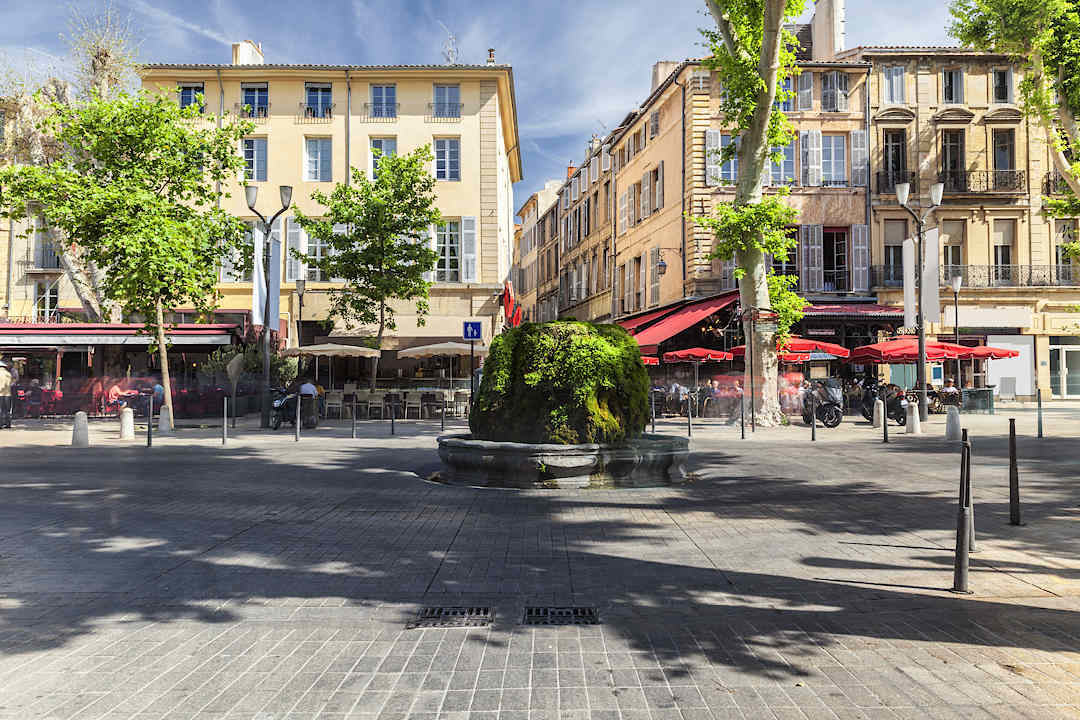
Compare that to a three-hour lunch on a shaded terrace off the Cours Mirabeau in Aix-en-Provence, where the market vendor two tables over is arguing good-naturedly with a regular about the price of that morning's melons, where the rosé arrives cold enough to fog the glass, and where the only decision left for the afternoon is whether to walk it off or nap through it.
Months later, the cathedral facades have merged into one generic memory, while that lunch in the shade still plays back in full. The mind doesn't measure a trip by the hours you spend scrambling but by the density of what you noticed inside those hours.