Multi-Generational Travel: How to Please Toddlers, Teens, and Grandparents in One Itinerary

Three generations exhale together on a sunny South African beach

Family beach walk in Cape Town, South Africa

Multi-generational travel done properly is about designing a journey where three generations can exhale at the same time. It is not about squeezing everyone into the same villa and hoping for the best. When it works, it goes like this: a toddler drifting off to sleep in a stroller under plane trees, a teen laughing over a photo they just took, a grandparent closing their eyes for a moment on a sunny terrace, and you realizing everyone is content. The itinerary stops being a list of sights and becomes an experience in which each age group has moments of delight built intentionally into every day. This is what you can expect when you plan a luxury multigenerational trip with Zicasso.

Toddlers, teens, and grandparents rarely want the same thing at the same time. Small bodies need naps and routine; teens crave freedom, stimulation, and Wi‑Fi; grandparents may long for comfort, shorter walks, and time to simply sit and soak it all in. The “why” behind a successful multi-generational itinerary is simple: you plan around these different energy curves, not around a destination, layering in age‑appropriate experiences, pockets of retreat, and meeting points where everyone comes back together.

Extraordinary travel begins with a human touch and our specialists design every multigenerational trip with meticulous care and attention to detail. They do so within a system that maps your family’s energy, constraints, and hopes. This way, you experience private guides who know granddad’s knees are not what they used to be, that your youngest needs a snack every two hours, and that your teen would rather take photos than listen to dates. Because the underlying framework is in place, your guides can adjust a full day in real time without breaking the trip. Beneath the visible logistics is what we call the Zicasso Assurance, a dual‑layer safeguard in which your in‑country specialist and Zicasso steward the legacy you are trying to create, leaving you to focus on the people you love most.

Designing Around Three Energy Levels

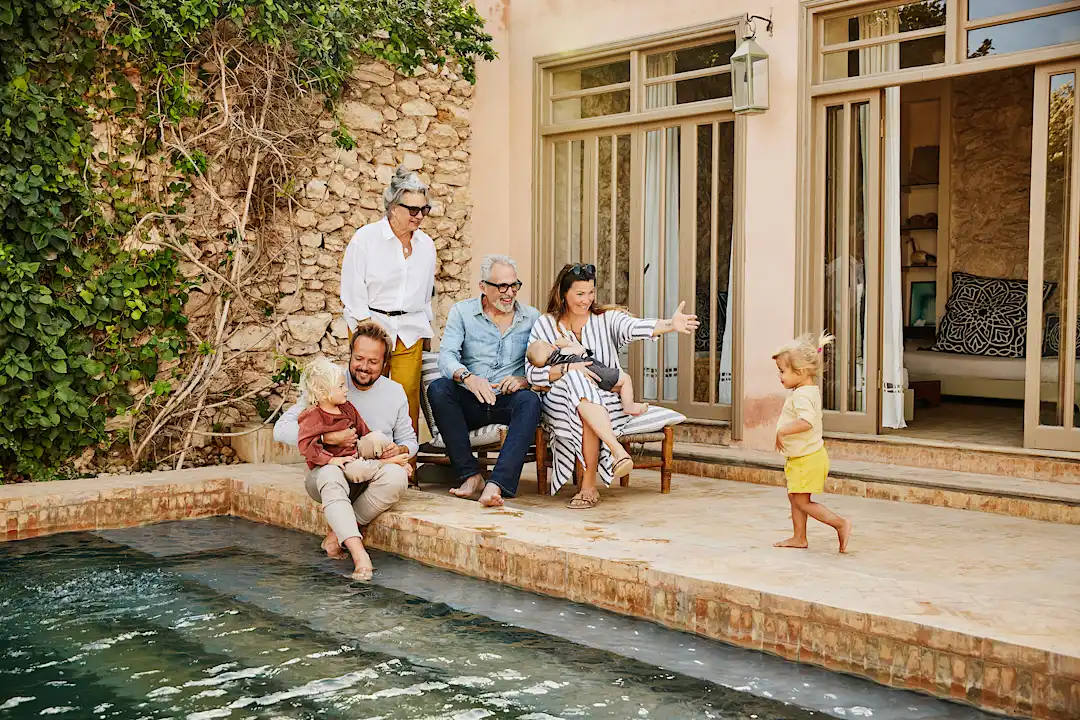
Multi-generational family gathers in communal villa space with private corners
Villa in Morocco

A multi‑generational itinerary lives or dies on pacing. A fixed 8am group tour might look efficient on paper, but in practice, it is a failure for families, as it pits an early‑rising grandparent against a sleeping teenager and a routine‑bound toddler before breakfast is even over. The most beautiful city or safari lodge will feel punishing if toddlers are past their limits, teens are bored, and grandparents are exhausted.

This is where Zicasso’s mechanics matter. Through our assurance, we do not simply pair you with a specialist based on destination; we match you with experts who understand your family’s preferred tempo, then ask them to map out overlapping energy curves before a single hotel room is booked. Our travel specialists design days around three distinct but intersecting energy levels. In doing so, your family is not dragged through the same rigid schedule, but moves at a pace that feels natural to each generation.

  • Soft mornings: Keep early hours close to “home.” Let toddlers run circles in a nearby park, teens ease awake over pastries, and grandparents settle into a slow coffee on a terrace, instead of rushing all three generations into a packed tour at 8am.
  • Midday retreat: Use the hottest or busiest hours as quiet time. With centrally located hotels or villas, toddlers nap in real beds, grandparents lie down with a book, and teens decompress by the pool or with headphones instead of trudging through a fourth monument.
  • Layered afternoons: Choose afternoon activities that allow several speeds at once: a beach where little ones paddle at the edge while teens kayak and grandparents watch under umbrellas, or a neighborhood ramble where a private guide can take keen walkers a little farther while others rest at a café.
  • Evening togetherness: Make evenings a reunion time, whether that’s tapas in a lively square, a casual trattoria, or a private chef at your rental, with menus flexible enough for picky eaters and portions generous enough for hungry teens.
  • Strategic “rest days”: Every few days, schedule a day with no fixed agenda beyond pool time, local wandering, or a simple picnic, so bodies and tempers can reset and the trip never feels like a forced march.

For more information, take a look at our family vacation travel guide.
Choosing Bases That Feel Like Home for Everyone

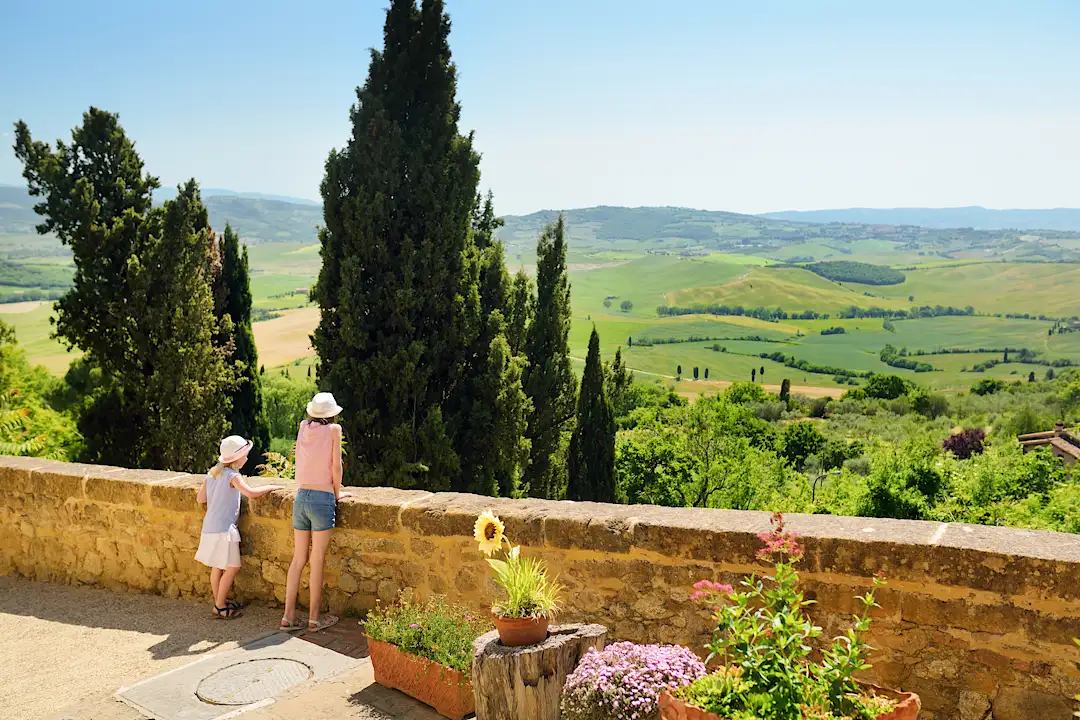
A calm, walkable town base with countryside views
Pienza in Tuscany, Italy

When three generations share a trip, where they stay matters even more than where they go. The base has to absorb the cognitive friction of the journey: nap schedules, mobility limits, different wake‑up times, and everyone’s need for connection and solitude. Traditional, asset‑heavy operators often funnel families into their own corporate‑owned hotels or fixed cruise ships because they must fill what they own, even if the layout is wrong for your group.

Zicasso’s network, by contrast, is built on localized travel experts operating in an asset‑light, expertise‑heavy model. Because they are not tied to filling a single brand’s inventory, our specialists have total creative agility to curate space around your family’s real needs, whether that means interconnecting suites in a quiet Rome boutique hotel or an exclusive villa in the Chianti hills. The goal is always the same: communal spaces for shared memories and private escapes for necessary solitude, so the base feels like a home everyone can return to, not just a place to sleep between activities.

  • Central but calm: Opt for neighborhoods that are walkable and slightly removed from the loudest streets, so reaching a main square, playground, pharmacy, and café takes minutes, not bus rides.
  • Space to spread out: Decide together whether connected hotel rooms, a family suite, or a villa makes the most sense, aiming for communal space where you can gather and private corners where each generation can retreat.
  • Kid-friendly without chaos: Look for properties that welcome children—highchairs, a small pool, staff who genuinely like kids—without feeling like a theme park, so grandparents can still enjoy peaceful mornings and evenings.
  • Practical amenities: Elevators for older knees, bathtubs for bedtime routines, blackout curtains for midday naps, and mini-fridges for milk and snacks may matter more than a lobby bar you never use.
  • Safe, simple navigation: Choose locations where teens can safely walk a short loop or fetch a snack on their own; that little bit of autonomy goes a long way toward teen buy‑in.

Notice how our Multi-Generational Italy Tour: Best of Tuscany and Rome gives all three generations a place to land between adventures.

Using Guides as Your Secret Multi‑Gen Superpower

Layered story-driven touring keeps three generations engaged at once
Majorca, Spain

Guides are the unseen heroes of multi‑generational travel because they can quietly rebalance your days, but their ability to do so is not down to luck. Within Zicasso’s ecosystem, your private guide is the agile front‑end presence of a dual‑layered support system that includes an in‑country specialist managing local supply chains and Zicasso acting as a global guardian in the background. A good guide is part storyteller, part teacher, part stage manager, someone who knows when to speed up, when to slow down, and when to declare an impromptu gelato stop in the name of morale, and they are chosen precisely because they have proven they can do this for families like yours.

  • Story-driven touring: The same private guide can describe a monument three different ways: a myth or anecdote for the toddler, a vivid story with a touch of drama for the teen, and a more nuanced historical context for the grandparent, all layered into one stop.
  • Micro-adjustments in real time: If a grandparent’s step falters on a cobblestone street or a toddler’s eyes fill with tears, a guide can reroute to a bench in the shade, shorten the route, or call the driver forward, protecting everyone’s experience.
  • Split-and-rejoin days: With the right logistics, a guide can escort part of the group into a museum while another adult and a sleepy toddler head back to the hotel, then orchestrate a smooth rendezvous for a boat ride or lunch.
  • Hands-on resets: Guides can sprinkle tactile moments like tasting a local treat or learning a word in the local language into the day when attention drifts, giving small and not-so-small children something to anticipate.
  • Age-aware communication: A thoughtful guide looks every generation in the eye, asks the teen for their opinion, checks in discreetly with grandparents about pace, and uses the toddler’s name. Those small courtesies make everyone feel included.

Behind each of those guides sits Zicasso’s verification and review system, which continually evaluates how well they serve families across all ages. This means the chemistry you feel on the day is backed by a tested platform, not left to chance. To experience this, explore our sample Spain family vacations and tours before connecting with our travel specialists.

Building a Daily Menu of Experiences

Sunset cruise sea day gives every age group a win
Family yacht day

The real art lies in designing days that offer at least one clear “win” for each age group, rather than segregating the itinerary into “kid days” and “grown‑up days.” Each day becomes a menu: a little culture, a little play, a little indulgence, in varying proportions.

  • For toddlers: Include short, sensory-rich activities like park visits, boat rides, animal encounters, and shallow beach time, deliberately capped at 30 to 60 minutes and followed by something calmer or a nap.
  • For teens: Add experiences that feel slightly more grown-up or independent alongside pockets of time where they can wander or rest without siblings in tow. Think street‑food tastings or bike tours.
  • For grandparents: Include experiences that offer beauty and meaning without demanding stamina: accessible galleries, scenic drives, markets, gardens, and cafés where they can sit and watch the world go by.
  • For everyone together: Plan a daily moment that is meant for the whole clan: a picnic, a cooking class, a sunset cruise, a simple restaurant where the table is big and lively, and no one looks twice if the toddler gets up to dance.
  • Emotional rituals: Establish small rituals so the emotional thread stays consistent even as places change. This might be a gelato after sightseeing, a nightly “best-moment” round at dinner, or a shared photo review before bed.

For inspiration on how a single itinerary can weave in ruins, cooking, city time, and sea days for all ages, take a look at our Greece family vacations and tours.

Giving Teens Space and Grandparents Grace

een and grandparent share comfort and dignity at sunset
Beach sunset in South Africa

Two groups often get squeezed in multi-generational travel: teens, who are expected to be endlessly flexible, and grandparents, who are expected to keep up. A wow‑worthy itinerary deliberately includes dignity for both.

  • Teen autonomy: Build short windows where teens can choose: an hour to explore a market, a separate lesson (surfing, photography), or the option to stay by the pool with a book while younger kids head to the playground. Autonomy breeds cooperation.
  • Grandparent comfort: Normalize sitting out. Let grandparents know in advance which activities are optional and assure them their absence will be factored in, not resented. A quiet morning on a balcony can make them more energized for an evening concert.
  • Opt‑outs by design: Flag “stairs,” “long walks,” or “late night” in the itinerary so no one feels guilty about bowing out. When those exits are pre‑planned, they feel like smart tailoring rather than failure.
  • Different internal clocks: Teens may prefer late nights and slow mornings; grandparents might favor early starts and early bedtimes. Treat certain experiences as special one‑on‑one moments with one generation rather than mandatory for all.
  • Emotional check‑ins: Every few days, ask each generation what they loved most and what they could use more (or less) of: more café time, fewer formal dinners, another beach hour. Small tweaks, made early, can save the whole trajectory of a trip.

Many families find it helpful to study sample vacations like those in our family African safaris and tour packages.

Using Structure to Protect Freedom

Family anchors the day around one big museum activity
Family museum visit

Counterintuitively, the more thoughtfully structured your multi-generational itinerary is, the more freedom you’ll feel on the ground. When the backbone of transfers, key tickets, and guiding blocks is in the expert hands of a Zicasso travel specialist, you can relax into unhurried coffees, unscripted detours, and “one more carousel ride” without worrying about what it will derail.

  • Pre‑book the backbone: Confirm flights, major trains, airport transfers, and high-demand entrances or restaurants ahead of time so you’re not queuing with overtired children and weary grandparents.
  • One big thing per day: Anchor each day around one main structured activity (a museum, a guided walk, a long excursion), and treat everything else as flexible, so you can drop or add small experiences as energy allows.
  • Minimize one‑night stands: String together two‑to‑four‑night stays instead of a chain of one‑night stops, as each move costs energy, especially for older travelers and small children.
  • Built‑in slack: Leave deliberate “white space” in the itinerary where nothing is scheduled, allowing for naps, spontaneous discoveries, or simply doing nothing together.
  • Fallback plans: Have Plan B options like indoor activities for rainy days, nearby parks for restless kids, or in‑room dining for exhausted evenings, so pivots feel like smart choices, not disappointments.

If you want to see how structure and freedom can coexist on a long-haul trip, review A Family Friendly Japan Tour: A Lifetime of Memories.

Multi‑Generational Travel FAQs

Three generations move at a pace that fits together
Multi-generational family trip

What is the core failure point of standard multi‑generational itineraries?

Most standard itineraries fail families because they treat everyone as if they share a single energy level. Forcing toddlers, teens, and grandparents onto the same rigid schedule creates friction from day one. Successful multi‑generational trips are designed around overlapping energy curves instead: a single well‑chosen base with shared meeting points, gentle options for those who need rest, and layers of activity that let each generation move at a pace that fits.

How does Zicasso ensure a private guide can manage multiple age groups simultaneously?

Zicasso matches families with in‑country specialists who explicitly design layered, story‑driven touring before a guide is ever assigned. These specialists, who are among the top two percent of boutique tour operators globally, brief guides to deliver semantic variance at each stop: a simple myth or image for toddlers, a vivid, dramatic narrative for teenagers, and deeper cultural or historical context for grandparents, all woven into one experience. The result is a conversation that keeps three generations engaged at once, not a single monologue

What is the functional advantage of Zicasso over booking direct or using a traditional operator?

Booking direct leaves families exposed to unverified local vendors and single points of failure if something goes wrong, while asset‑heavy traditional operators are bound to their own rigid fleets and hotel contracts. Zicasso operates with total asset agility, built on a curated top tier of local entrepreneurs and backed by the Zicasso Assurance: traveler funds are safeguarded, specialists and suppliers are continuously vetted, and you travel with a dual‑layer, 24/7 security net of local expertise and Zicasso advocacy.

Why the Extra Effort Is Worth It

Toddler and grandparent make unscripted memories fishing by a lake
Family fishing by the lake

The real reason to invest in careful multi-generational planning is all about the memories. A toddler will not recall every cathedral, but they will remember the feeling of feeding birds with a grandparent in a sunlit square. A teen may grumble about an early start now, but years later, they will remember the shared silence of watching daybreak from a lookout they reached together. Grandparents may worry about slowing everyone down, yet often they become the quiet center of the journey: the lap a child curls into on a long train ride, the person a teenager unexpectedly opens up to over hot chocolate after everyone else has gone to bed. Thoughtful itineraries create the conditions for those small, unscripted moments to happen again and again.

A successful multi‑generational trip is the result of someone with the right guides and platforms behind them, thinking deeply about how toddlers, teens, and grandparents actually move through a day and then encoding that understanding into the structure of your itinerary. When those needs are treated as non‑negotiable rather than afterthoughts, and woven together with the best a destination can offer, you don’t spend your vacation negotiating compromises; you spend it noticing how often three generations are genuinely, simultaneously happy. The logistics fade into the background and what remains are sensory snapshots: a boat rocking gently under a pink sky or the clink of glasses as grandparents toast “to all of us.”

32,000+ Verified Traveler Reviews