Why This Pace Works
Ten days splits cleanly into four stops: three nights in Barcelona and two in Madrid, three in Lisbon, then two nights divided between Cascais and Sintra. An open-jaw flight, arriving in Barcelona and departing from Lisbon, avoids backtracking across the Iberian Peninsula and buys back the half-day a return flight to your starting city would otherwise cost. The Barcelona-Madrid leg runs on high-speed rail rather than a flight, keeping the trip focused on arriving in and departing from each city instead of sitting in an airport between them.
Lisbon works as the Portuguese base for the capital's sights and its coastal day trips, and the itinerary closes in Sintra and Cascais, trading cities for palaces, gardens, cliffs, and beaches. With only ten days on the ground, reserve the Sagrada Família, the Prado, the Jerónimos Monastery, and Pena Palace before you leave, then keep the rest of the schedule loose enough for a food neighborhood or an unplanned walk.
Day-by-Day Route
Days 1-3: Barcelona, Spain Parque Güell • Sagrada Família • Gothic Quarter • Barceloneta Promenade • La Boqueria Market • Las Ramblas • Montjuïc Magic Fountains • Tapas Tour
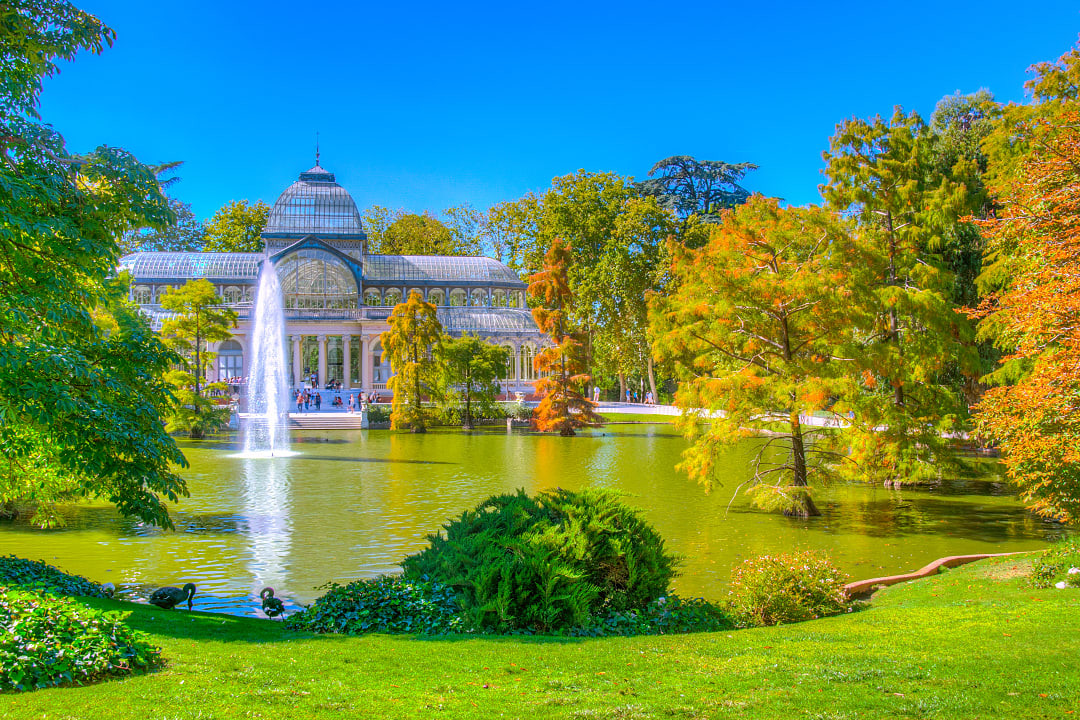
Days 4-5: Madrid, Spain Plaza Mayor • Puerta del Sol • Museo del Prado • Rastro Flea Market
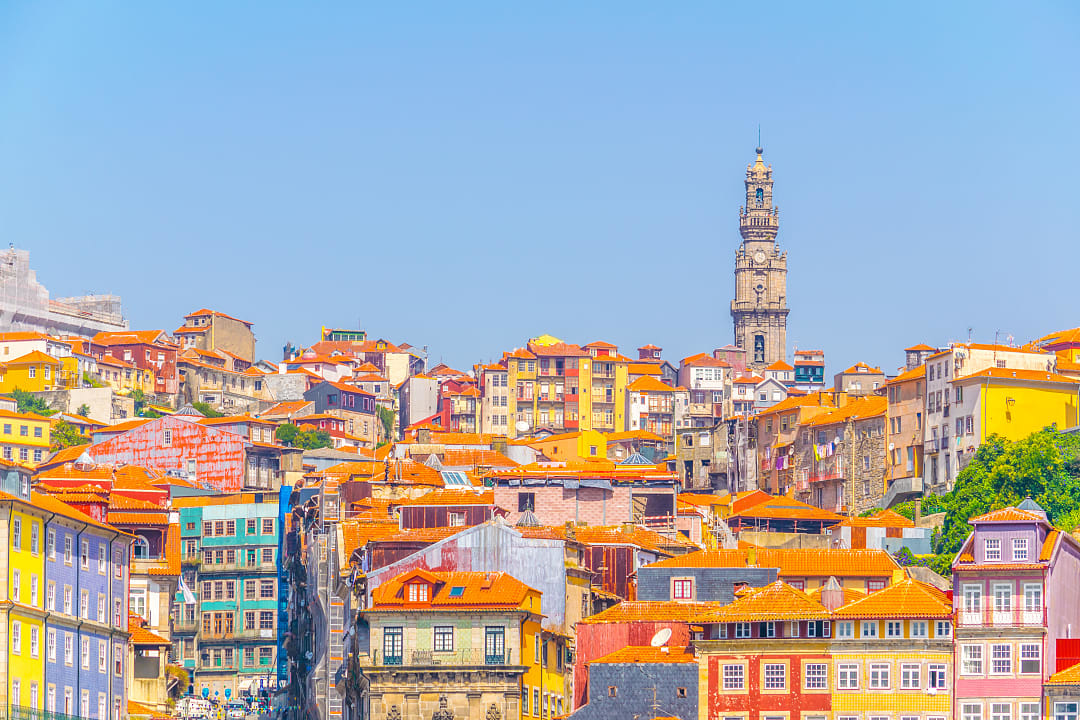
Days 6-8: Lisbon, Portugal Belém Tower • Saint Jerónimos Monastery • 25th of April Bridge • Fado Museum • City Walking Tour
Days 9-10: Cascais and Sintra, Portugal Cascais Promenade to Estoril • Museu Condes de Castro Guimarães • Boca do Inferno • Pena Palace • Sintra Old Quarter and Square
Ways to Experience It
A Tasting Route Across Four Stops: Barcelona's tapas, a Madrid market-and-tavern lunch, Lisbon's petiscos, and a Sintra pastry stop each follow a different food tradition, so the cuisine tracks the trip's geography instead of repeating the same small-plates format four times. Book a private guide-led tapas crawl for your first Barcelona evening to get oriented before doing the rest of the food route on your own.
Architecture as a History Lesson: Barcelona's Gothic core, Madrid's Habsburg-era streets, Lisbon's maritime Manueline monuments, and Sintra's Romantic-era palaces each mark a different chapter of Iberian power, so walking through all four in 10 days means watching four centuries of politics and trade play out in stone. Ask your guide to connect each building style to the empire, religion, or trade route that produced it rather than touring facades without that context.
A Sunset Walk in Every City: Barcelona's Barceloneta or Montjuïc, Madrid's Literary Quarter or Royal Palace area, Lisbon's Alfama or Bairro Alto, and Cascais's waterfront each offer a different version of the same golden hour and seeing all four gives you a comparison a single city visit never would. Build one open hour into each evening specifically for this rather than letting dinner reservations crowd it out.
A Private Driver for the Sintra-Cascais Day: Pena Palace, a coastal viewpoint, Cabo da Roca, and Boca do Inferno sit far enough apart that public transit turns the day into a series of waits, while a private driver turns the same four stops into one continuous coastal route. Book the driver in advance and set Pena Palace as the fixed morning slot, since it draws the longest lines later in the day.
One Sensory Focus Per City: Gaudí's color and curved form in Barcelona, Old Master painting in Madrid, fado and tiled facades in Lisbon, and open Atlantic air in Cascais each give a day an anchor beyond a checklist of sights. Pick that one focus each morning and build the rest of the day's stops around it instead of trying to cover everything at once.
Signature Places and Activities
Sagrada Família: Gaudí's basilica has been under construction since 1882 and still isn't finished, giving visitors a rare chance to see a major monument being actively built. Book early entry, when the stained glass throws the clearest color across the columns inside.
Prado Museum: The Prado opened in 1819 with an initial catalog of 311 paintings pulled from Spain's royal collections, a scale that still shapes how the museum's galleries are organized today. Set a short list of priority works before you go rather than attempting the full collection in one visit.
Belém Tower and Jerónimos Monastery: These two Manueline monuments anchor the district where Portuguese explorers once departed for the Age of Discoveries, so walking between them traces that maritime history through carved stone rather than a plaque on a wall. Visit the tower first, when the river light is clearest, then move to the monastery's cloister before the afternoon crowds arrive.
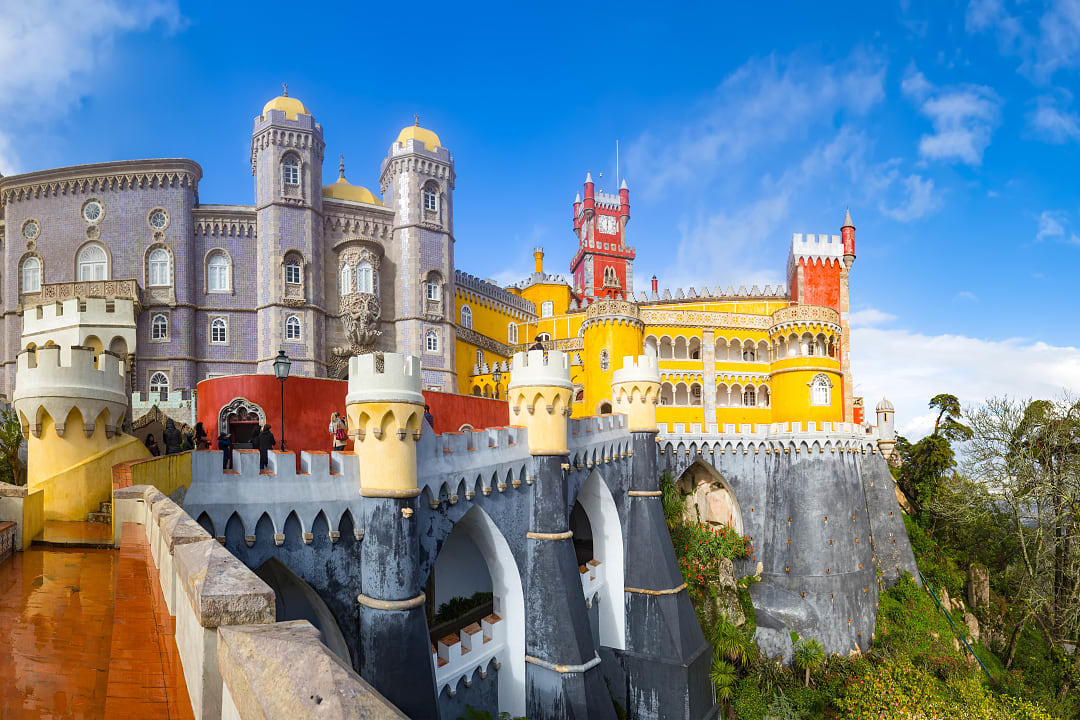
Pena Palace: This brightly colored 19th-century Romantic palace sits above Sintra's forested hills as part of the town's UNESCO-recognized site, visible from much of the town below. Go early in the day, since Pena draws the longest entry lines of any stop in Sintra by midmorning.
Cascais Coastal Walk: The waterfront route from Cascais toward Estoril ends at Boca do Inferno, where Atlantic waves strike a set of coastal rock formations carved into arches and blowholes. Walk or cycle the route in the late afternoon, when the light off the water suits the final stretch best.
Beyond the Highlights
The National Tile Museum in Lisbon deserves more attention than it gets: its azulejo collection gives you a visual key to the painted tilework you'd otherwise glance past on churches, palaces, and railway stations across the city. Monserrate Palace, often overshadowed by Pena, pairs exotic revival architecture with quieter gardens, worth the extra half-day for travelers who've already done Pena and want Sintra without the crowds.
Learn more: 10-Day Spain and Portugal Itineraries