Greece in February: Where to Go, What to Do, the Weather, and More

The Acropolis during the winter season in Athens, Greece

The Acropolis in Athens, Greece

Greece in February is ideal if you want authenticity, calm, and culture without summer’s heat or crowds, and can happily trade long beach days for clear winter light, cozy evenings, and local traditions. It’s a month when everyday Greek life takes center stage and many of the country’s most famous places feel almost private. This off-season month provides opportunities to explore ancient sites, enjoy cultural experiences, and witness the country's natural beauty in a more intimate setting.

When visiting Greece in February, you can expect cooler temperatures and occasional rainfall, but also periods of clear, crisp weather perfect for outdoor activities. The quieter atmosphere allows for a more authentic connection to Greek life. Many popular attractions are open with reduced hours and you can enjoy them without the long queues typical of peak season. February also brings the vibrant celebration of Apokries, the Greek Carnival, to many towns and cities across the country.

Extraordinary travel begins with a human touch and our destination specialists use their local insight to turn Greece’s quieter winter season into an advantage, designing every trip with care and intention. They help you choose the right mix of cities, islands, and mainland escapes for February, pacing your days around the weather and layering in the sorts of specific experiences that transform a peaceful off‑season visit into a deeply personal journey.

Is February a Good Time to Visit Greece?

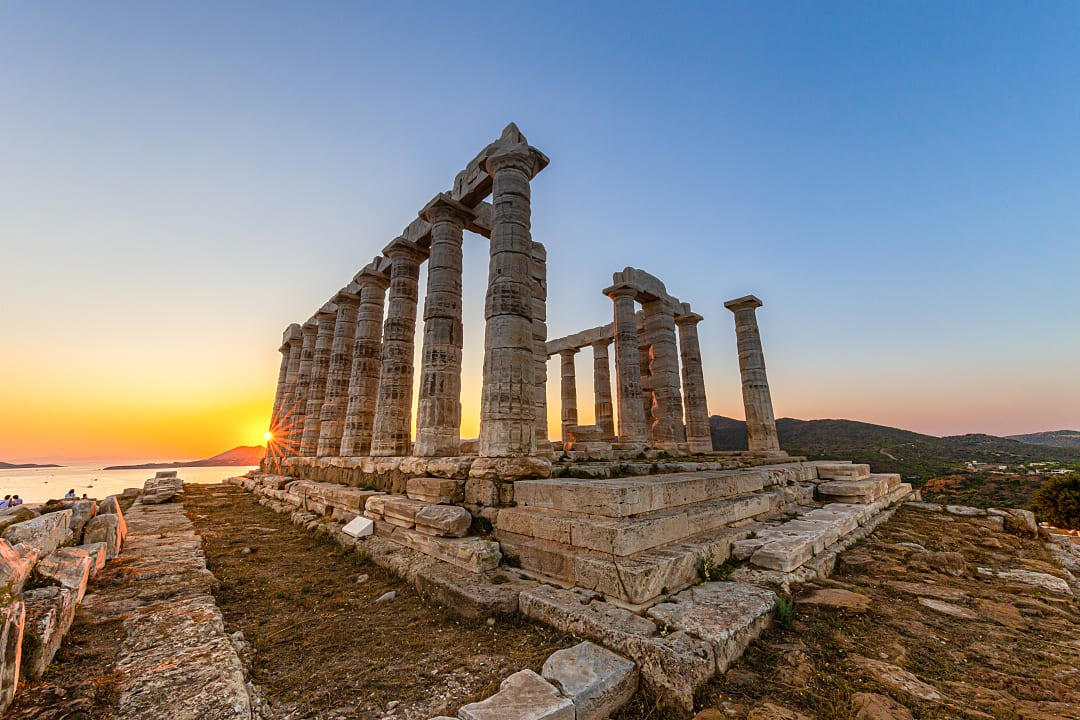
The sunrising on the horizon at the Temple of Poseidon
The Temple of Poseidon at Cape Sounion, Greece

If you want a more authentic and peaceful experience, February is an excellent time to visit Greece, especially if you prioritize culture, atmosphere, and value over swimming and classic beach time. With fewer tourists, you can move through cities, villages, and major landmarks at a slower pace, experiencing them more as locals do than as high‑season visitors.

The off-season also opens up cultural experiences that provide deeper insight into local traditions, from Carnival celebrations to winter food rituals and quieter religious life.

  • With fewer tourists, you'll be able to explore ancient sites and museums at a more leisurely pace, often with room to stop, reflect, and photograph without crowds in your frame.
  • Hotels and flights generally offer better value than in summer, making it easier to upgrade to characterful properties or add extra nights without stretching your budget.
  • February’s calendar includes events like Apokries, the Greek Carnival period, which fills cities and towns with parades, costumes, and special foods, giving you access to celebrations that most summer visitors never see.

For more details on arranging a trip to Greece, see our How to Plan a Trip to Greece: Frequently Asked Questions.

How Cold is Greece in February?

Couple walking down a cobblestone street in Rhodes, Greece
Rhodes, Greece

February in Greece brings cool and variable weather, but it is relatively mild compared to much of Europe. There are enough clear days to make sightseeing and outdoor activities very enjoyable. It feels like a true winter month, with coats and layers, but not typically the deep freeze associated with northern climates.

Daytime highs on the mainland average around 55°F, with coastal and southern areas tending to be milder and northern and mountainous regions often considerably colder, sometimes with snowfall.

  • Coastal cities and southern islands, such as parts of the Peloponnese and Crete, often feel fresh rather than bitter. This means comfortable walks, hikes, and terrace coffees on bright days.
  • Northern and mountainous regions can see much lower temperatures and regular snow, which creates opportunities for winter sports and atmospheric village stays, but requires warmer clothing.
  • Rainfall is common throughout the country, so you should be prepared for wet days; however, there are still frequent sunny or partly sunny days perfect for sightseeing, photography, and outdoor excursions.
  • Packing sturdy, water‑resistant footwear, a warm coat, and a waterproof layer ensures you can embrace crisp sunshine and passing showers without needing to adjust your plans dramatically.

To find out more about the weather in Greece, take a look at Zicasso’s Best Time to Visit Greece guide.

Discover Greece in February

Couple at Vikos Gorge in Zagori, Greece
Vikos Gorge in Zagori, Greece

February reshapes Greek, highlighting destinations that feel particularly splendid in winter light. Ancient sites framed by bare hillsides and snow‑touched peaks, towns that stay lively year‑round, and rugged regions that reveal their quieter, more contemplative side. Choosing the right bases lets you balance history, nature, and local life in a season tuned to authenticity.

Delphi • Best Place for Sightseeing

Delphi is an exceptional destination for sightseeing in Greece in February, especially if you want atmosphere and depth rather than heat and crowds. This UNESCO World Heritage Site, nestled on the slopes of Mount Parnassus, takes on a mystical feel in winter, with crisp air and often misty or snow‑capped mountain backdrops.

  • The ancient ruins, including the Temple of Apollo, the treasuries, and the ancient theater, are even more striking when framed by quiet slopes, bare trees, and moody skies. You can pause at the theater’s upper rows or the stadium without having to yield space to large groups.
  • With fewer visitors, you can move between the Archaeological Museum and the site at a relaxed pace, spending longer with key pieces like the Charioteer and connecting them directly to the ruins outside.
  • Cooler weather makes the uphill paths and stairs more comfortable, so you can reach higher vantage points without the fatigue of summer heat and be rewarded with expansive views over the olive‑filled Pleistos Valley.

Crete • Best Place for Great Weather

Crete stands out as the best place for great weather in Greece in February, making it an excellent choice if you want milder temperatures, diverse landscapes, and towns that stay genuinely alive in winter. As one of the southernmost Greek islands, it enjoys a softer climate than much of the mainland.

  • Average daytime highs hover around 61°F, with occasional rainfall, creating a pattern of crisp, bright days interspersed with more atmospheric, cloudier ones. This is ideal for walking along seafronts, exploring old towns, and driving through rural valleys with your private guide..
  • The island's varied microclimates, from coastal areas to higher mountain villages, allow you to choose your conditions: perhaps a sunny stroll in Chania’s harbor one day and a misty, fireplace‑lit village taverna the next.
  • February in Crete also marks the beginning of almond blossom season, when delicate white and pink flowers appear on trees across the countryside, adding a soft, romantic layer to drives and nature walks.
  • Hiking gorges in their entirety may not always be possible, but shorter walks, archaeological visits, and village explorations feel particularly rewarding in the clear, cool air of late winter.

Peruse our sample Athens, Santorini, and Crete Vacations. They can be customized to your liking by our travel specialists.

Nafplio • Best Place for Families with Children

Nafplio is an excellent destination for families with children visiting Greece in February, thanks to its compact size, walkable old town, and mix of history and outdoor space. Located in the Peloponnese, it features a gentle coastal setting that feels safe and manageable with kids.

  • The mostly car-free old town is ideal for families: children can explore narrow alleys, squares, and seafront promenades while their parents enjoy neoclassical architecture, cafés, and small museums.
  • Kids are often captivated by the Palamidi Fortress towering above the town. If your family is adventurous, climb the famous 999 steps for a shared challenge, or ask your private guide to drive you up so you can enjoy the views without the exertion.
  • On milder days, the seaside promenade and nearby beaches have room for running, bike rides, or simple shell‑collecting, even if the water is too cold for swimming.
  • When the weather turns wet or chilly, indoor attractions like the Komboloi Museum and cosy tavernas give you easy options for staying entertained and warm without needing long transfers.

Take a look at our Greece family vacations, then contact our travel specialists to help you arrange your trip.

Zagori Region • Best Place to Avoid the Crowds

The Zagori region in northwestern Greece is an ideal destination to avoid crowds in February, catering to travelers who love wild landscapes, stone villages, and a sense of timelessness. Even in other seasons, this area is relatively undiscovered; in late winter, it feels almost entirely your own.

  • Known for its 46 traditional villages, stone mansions, and intricate arched bridges, Zagori is a peaceful retreat where your primary soundtrack is running water, wind, and the occasional church bell.
  • Hiking trails linking villages and bridges take on a different character in winter: bare trees reveal more of the topography, rivers run fuller, and low clouds or mist add drama to the gorges and ridges.
  • With few tourists around, guesthouses and tavernas have time to offer genuine, unhurried hospitality, often featuring open fires, hearty stews, homemade pies, and local wines or tsipouro.
  • Whether you explore famous Vikos Gorge viewpoints or simply wander between neighboring hamlets, you’ll likely feel as though you’ve stepped into a quieter, older Greece that exists mostly outside of high season.

Santorini • Best Place for Couples and Honeymooners

Santorini offers a romantic and intimate experience for couples and honeymooners in February, shifting from the business of summer to a calm, almost contemplative island atmosphere. It’s perfect if you want the views, light, and architecture without jostling for space at sunset.

  • Without the summer crowds, you can enjoy the island's famous sunsets and caldera vistas in peaceful solitude, often from nearly empty viewpoints or private terraces rather than packed walls and lanes.
  • The cooler weather is ideal for exploring the charming villages of Oia and Imerovigli, walking the caldera path, discovering small chapels, and photographing white‑washed buildings and blue domes against crisp winter skies.
  • Relaxing in private hot tubs or plunge pools overlooking the Aegean feels especially indulgent in February, with the contrast between cool air and warm water adding to the sense of retreat.
  • The off-season atmosphere allows for a more authentic connection with local culture and cuisine. You’re more likely to dine alongside residents, have relaxed conversations with restaurant owners, and experience the island at a slower, more romantic pace.

Enjoy a dream romantic Greece escape after viewing our customizable Greece tours and vacations for couples.

Experience Greece in February

Silhouette of pelicans backlit by the sunrise at Kerkini Lake in Greece
Kerkini Lake in Macedonia, Greece

February in Greece is defined by experiences that feel distinctly seasonal: vibrant Carnival celebrations, winter sports, steamy thermal waters, and wildlife encounters framed by mist and bare branches. These moments show you sides of Greece that summer visitors rarely even know exist.

Celebrate Apokries

Depending on the Greek Orthodox Calendar, you could experience the vibrant Greek Carnival known as Apokries, which takes place 10 weeks before Greek Orthodox Easter. For culturally curious travelers, it offers an energetic, playful counterpoint to the otherwise quiet winter mood.

  • Join locals in colorful parades, masquerade parties, and traditional events in cities and towns across Greece. Streets fill with costumes ranging from humorous to elaborate and music spills out of bars and squares.
  • Athens and Patras host some of the largest celebrations, featuring floats, dance troupes, and themed events that build weekend by weekend toward the climax of the carnival period.
  • Special carnival treats, from sweet loukoumades drizzled with honey to rich meat dishes, appear on menus, reflecting the indulgence that precedes the Lenten fast.
  • This lively season offers a unique insight into Greek culture, blending ancient customs, Orthodox tradition, and modern creativity. It’s an unforgettable contrast to the more subdued winter landscape.

Ski in the Parnassos Mountains

Embrace winter sports at Mount Parnassos, Greece's largest ski region, if you like the idea of pairing ancient history with runs in the snow. The area lies about a two-hour drive from Athens, making it easy to slot into a broader itinerary.

  • With 23 ski runs suitable for beginners through advanced skiers, Parnassos caters to mixed-ability groups, from first-time families to seasoned enthusiasts seeking a few days on the slopes.
  • On clear days, the surreal experience of skiing with distant views toward the sea adds a uniquely Greek twist to the alpine setting.
  • After hitting the slopes, you can warm up in cozy chalets or head down to the nearby town of Arachova, known for its stone houses, vibrant nightlife, and local delicacies like hilopites pasta and formaela cheese.
  • This combination of mountain sport, village charm, and proximity to major sites like Delphi makes Parnassos a compelling winter add‑on for active travelers.

Soak in Edipsos Thermal Springs

Rejuvenate your body and soul in the healing waters of Edipsos on the island of Evia, one of Greece’s most famous spa towns. February’s cool temperatures make the warm, mineral‑rich springs feel especially therapeutic and indulgent.

  • These thermal springs have been renowned since ancient times, with visitors coming for centuries to ease aches, improve circulation, and simply relax in steaming pools while the air is chilly.
  • Many hotels offer private thermal baths and spa facilities, letting you move easily between treatments, pools, and relaxation areas without leaving the property.
  • In some spots, hot water flows directly into the sea, creating natural rock pools where you can sit half‑submerged in warmth while waves lap at the shore nearby.
  • Between soaks, you can privately explore the town’s neoclassical buildings, seaside promenade, and cafés, enjoying a gentle, wellness‑oriented pace that suits the season perfectly.

Birdwatch at Kerkini Lake

Kerkini Lake in northern Greece is a birdwatcher's paradise and February can be particularly rewarding for those interested in wintering and resident species. The combination of water, reedbeds, and surrounding mountains creates a hauntingly beautiful setting.

  • This man-made reservoir, framed by the Belles Mountains, hosts over 300 bird species across the year. Winter sees significant numbers of waterfowl and iconic residents like Dalmatian pelicans.
  • Large colonies of Dalmatian pelicans, along with cormorants, herons, flamingos, and various birds of prey, can often be observed feeding, resting, or flying low over the water.
  • The lake's diverse ecosystem, including shallow marshes, flooded forests, and open water, provides a range of habitats, making private boat trips or walks particularly rich in sightings.
  • A hike or drive around the lake in February unveils a landscape of muted colors and morning mists, where the silhouettes of birds and bare trees stand out sharply against the water and sky.

If you haven’t visited Greece, take a look at our top itineraries for visiting Greece for the first time.

Other Considerations for Visiting Greece in February

Pack for cool weather if visiting Greece in February

Thinking through a few practical questions helps set the right expectations for Greece in February and makes it easier to plan an itinerary that suits the season.

Is it too cold to swim in February?

For most travelers, yes, February is generally too cold for comfortable sea swimming, even on the southern islands. Hardy swimmers might manage a brief dip on a sunny day in places like Crete or Rhodes, but this is really a month for sea views, coastal walks, and indoor or heated hotel pools rather than classic beach time.

What should I pack for February?

Pack for cool, changeable weather and build your wardrobe around layers. A warm coat, sweaters or fleeces, long trousers, and a scarf are essential, along with a waterproof jacket and closed, water‑resistant shoes for rainy days. Add lighter layers (long‑sleeve tees or shirts) so you can adjust when the sun is out or when you are inside museums, tavernas, and hotels.

Are most tavernas and shops open in February?

In major cities and larger year‑round islands, most tavernas, cafés, and shops stay open through winter, serving mainly locals. In smaller or more seasonal islands, many beach bars and tourist‑focused venues close, but a reliable core of family‑run tavernas, bakeries, and mini‑markets stay open. The trade‑off is fewer choices, but more authentic, everyday experiences and more time to talk with owners.

How reliable are ferries and flights in February?

Ferries and domestic flights operate on reduced winter schedules, so there are fewer daily departures than in summer, but key routes are generally well served. Winter storms or strong winds can disrupt sailings, especially to smaller or more remote islands, so it’s wise to keep your itinerary slightly flexible and to book transport in advance through your specialist rather than relying on last‑minute decisions.

Are there important holidays or closures in February?

February doesn’t have as many fixed public holidays as early January, but Apokries (Carnival) often falls partly or fully in this month. On big Carnival weekends, some services can be busier, and certain streets are closed for parades, while museums and sites usually operate on standard winter hours. Outside of those dates, most major archaeological sites and museums are open, but on shorter winter schedules, so planning your sightseeing times matters more than in summer.

Plan Your Trip to Greece in February

Peaceful streets of Pyrgi on Chios Island, Greece
Pyrgi on Chios Island, Greece

February in Greece is rewarding if you are seeking authenticity, cultural immersion, and tranquility rather than classic summer seaside holidays. From exploring ancient sites without crowds to joining Apokries festivities, skiing above the sea, or watching pelicans wheel over Kerkini Lake, this winter month unfurls a different side of Greece that many miss.

The cooler weather makes it an ideal time if you prefer a more relaxed pace, deeper conversations with locals, and landscapes viewed in clear, gentle light. For more detailed information on planning your perfect Greek winter adventure, including destination guides and seasonal tips, see our Greece travel guide or Greece tours and vacations.

30,000+ Verified Traveler Reviews