New Zealand in Winter: Where to Go, What to Do, the Weather, and More

Hiker standing on a mountain trail, enjoying the beautiful sunrise over Lake Wanaka, New Zealand in winter

Lake Wānaka, New Zealand

For quiet majesty, consider visiting New Zealand in winter. At this time of year, the Southern Hemisphere country has snowcapped peaks, misted lakes, and softly lit coastlines that create an atmosphere of intimacy. From June to August, New Zealand welcomes those who value reflection, refined comfort, and thoughtful adventure over busyness during the Southern Hemisphere’s winter. The season will reward you if you seek mood and meaning in your journeys, as it offers experiences framed by stillness, contrast, and a heightened sense of place.

This is the period when alpine towns glow against crisp mountain backdrops, steam rises from geothermal valleys into the cool air, and coastal regions feel like private enclaves. Between the luminous snowfields of the South Island and the gentle, maritime cool of the North, winter opens a window onto a more cinematic New Zealand, one that feels composed for fewer people and allows you more space to truly linger.

Extraordinary travel begins with a human touch, and our destination specialists design every winter journey with care, insight, and personal attention. As you consider a visit to New Zealand in winter, use the following information as a guide before connecting with our travel experts to help you plan your trip. It is a season that favors discerning travelers seeking alpine drama, coastal calm, and cultural depth, all experienced through quiet luxury.

Is Winter a Good Time to Visit New Zealand?

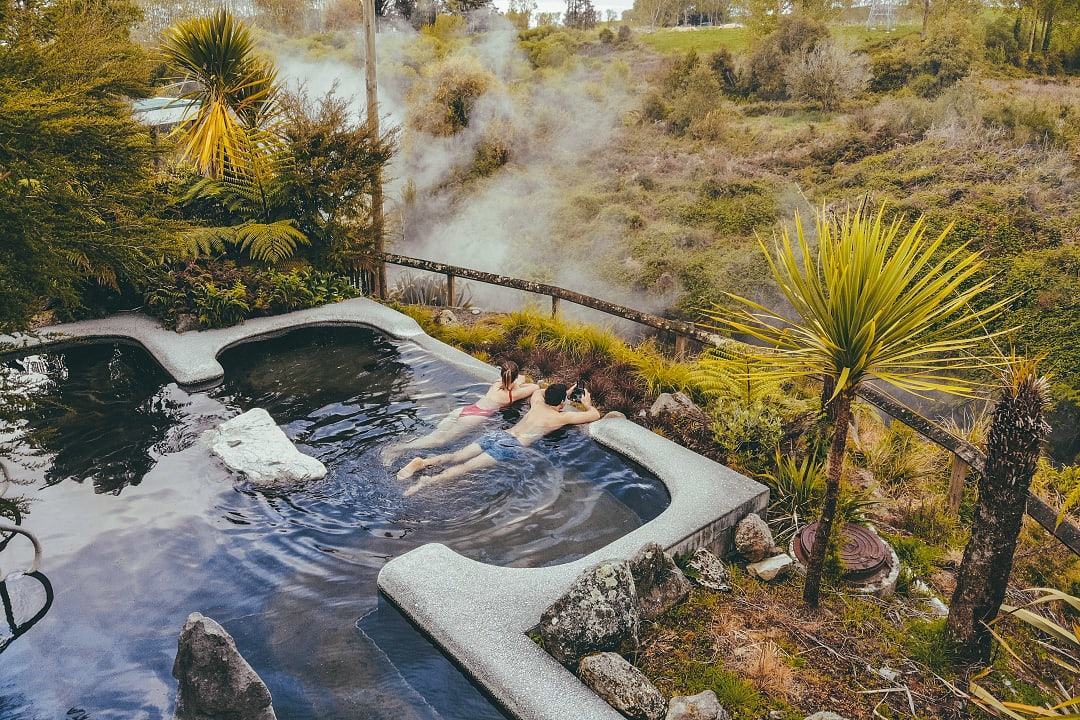
Couple at thermal hot springs in New Zealand
Thermal hot springs in New Zealand

Winter is an exceptional time to visit New Zealand if you are drawn to clarity, contrast, and a sense of exclusivity in your surroundings. With the season spanning June, July, and August, the country feels curated rather than crowded, and the cooler temperatures enhance the atmosphere rather than detract from it.

  • Alpine Theater: South Island destinations such as Queenstown and Wanaka evolve into sophisticated winter enclaves where snow-draped ranges, mirrored lakes, and carefully groomed slopes create an immersive alpine tableau rather than simply a place to ski. Time on the mountain becomes part of a broader ritual that includes long lunches, fireside evenings, and the pleasure of returning to intimate, design-forward lodges.
  • Quiet Access: As a shoulder season for tourism, winter naturally filters out rush and excess, giving you room to explore beloved sites with a sense of calm. Iconic viewpoints, lakeside walks, and coastal drives feel almost reserved, transforming even well-known destinations into settings for unhurried discovery and conversation.
  • Restorative Warmth: Experiences such as soaking in geothermal hot pools in Rotorua or retreating to rural lodges and boutique city hotels take on a deeper resonance when contrasted with the cool air outside. Winter invites you to lean into rituals of comfort like thermal waters, layered textures, and thoughtful cuisine that make the season feel indulgent rather than austere.

Begin envisioning your winter journey by exploring our How to Plan a Trip to New Zealand: Frequently Asked Questions.
How Cold is New Zealand in Winter?

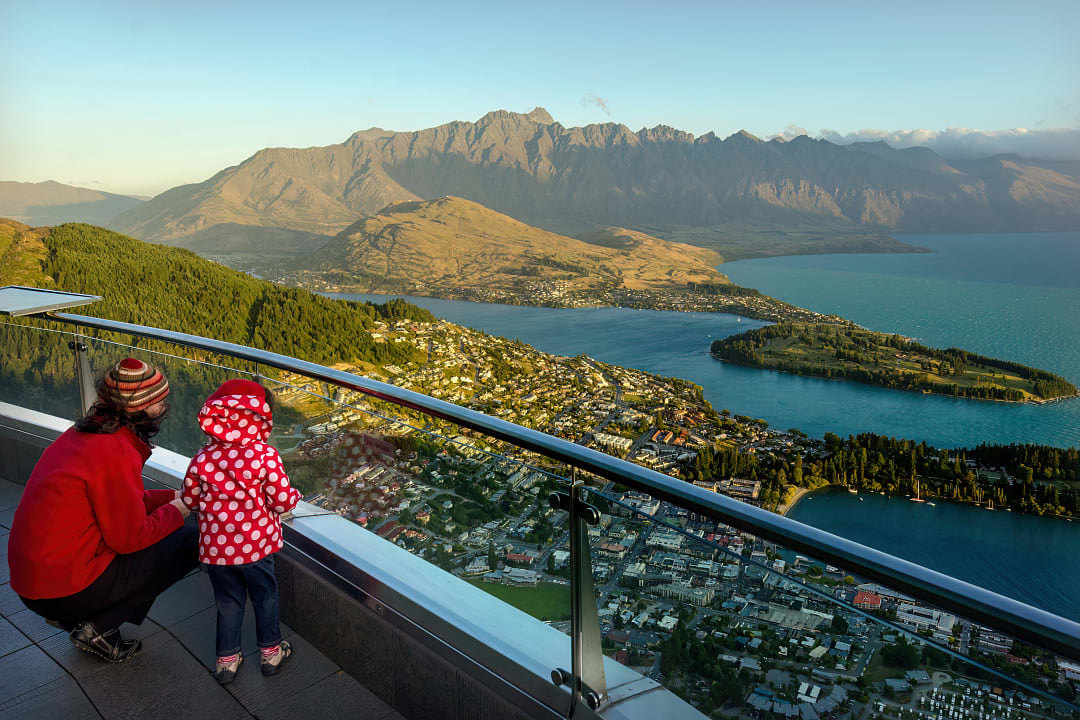
Queenstown, New Zealand

New Zealand’s winter is defined less by harshness and more by nuance, with a maritime climate that shapes mood as much as temperature. Instead of extremes, you encounter a spectrum: gentle cool in the north, invigorating crispness in the south, and a constant interplay of light, cloud, and air that reshapes the landscape throughout the day.

  • Northern Subtlety: In the North Island, cities such as Auckland maintain a poised balance between fresh mornings and comfortable daytime highs, with winter days often reaching around 53 to 59°F and nights settling near 45 to 48°F. This encourages waterfront walks, vineyard visits, and cultural explorations without the intensity of summer heat, while the sharper air refines horizons and colors so coastal views, harbor scenes, and rolling hills feel finely etched.
  • Southern Crispness: On the South Island, places like Christchurch and Queenstown embrace a more bracing chill, with daytime temperatures frequently in the high‑40s to low‑50s°F and nights dipping into the low‑ to mid‑30s°F. Frosted paths, snow-dusted peaks, and clear, star-filled skies heighten the pleasure of returning to warmth, turning a glass of Central Otago pinot noir by the fire or a soak in a hot tub into experiences that feel inherently, almost decadently, luxurious.
  • Atmospheric Changeability: New Zealand’s maritime climate can deliver shifting conditions in a single day; temperatures that rise into the 50s°F under clear midday light, then cool quickly into the 40s°F or lower as evening mist and cloud roll in. Rather than a disruption, this variation becomes part of the theater of winter, and with thoughtful logistics and well-equipped accommodations, each shift in weather simply reframes the landscape, turning every day into a sequence of distinct, carefully composed moments.

For additional seasonal context and comparison, see New Zealand in August: Where to Go, What to Do, and More.

Discover New Zealand in Winter

Fiordland National Park, New Zealand

Fiordland National Park • Best Place for Sightseeing

Fiordland in winter feels otherworldly. Towering granite walls, ink-dark waters, and veiled waterfalls are amplified by the hush of the season. Milford Sound and Doubtful Sound are not merely viewpoints, but immersive environments, where the scale of rock, sea, and sky invites contemplation as much as admiration.

  • Elemental Stillness: Cooler temperatures and fewer visitors transform the fjords into quiet corridors of reflection, where the sound of a waterfall, a distant bird call, or a boat’s gentle wake carries clearly through the air. The experience shifts from sightseeing to inhabiting a landscape that reveals itself slowly, detail by detail.
  • Wildlife in Context: Encounters with dolphins, seals, and birdlife feel more profound when framed by winter’s subdued palette and softer light. Rather than being one highlight among many, these moments become focal points in the country’s raw, unadorned nature.

Immerse yourself in Fiordland’s grandeur with our sample Endless Natural Splendors of New Zealand Vacation.

Bay of Islands • Best Place for Great Weather

In winter, the Bay of Islands offers a gentle counterpoint to the alpine south, with a subtropical softness that feels both restorative and refined. Mild temperatures and calm seas create an environment where time on the water and time on shore blend into an unhurried, coastal rhythm.

  • Soft Light, Open Water: Winter’s lower sun casts a golden sheen over sheltered bays and island-dotted horizons, elevating even a simple sail into something cinematic. The absence of peak-season traffic means anchorages and viewpoints feel more exclusive.
  • Heritage and Perspective: Historic sites such as the Waitangi Treaty Grounds take on added depth in the cooler months, when fewer visitors allow space for you to engage with New Zealand’s cultural story at your pace. The combination of coastal beauty and historical resonance gives the region a layered appeal that goes beyond scenery.

Experience the region’s coastal charm with our customizable ‘Back to Life’ New Zealand Vacation.

Queenstown • Best Place for Families with Children

Queenstown in winter balances high energy with high comfort, giving families an alpine setting where shared experiences are exciting and reassuring. Snow-draped peaks, lake reflections, and a compact, welcoming town center make you feel as if you are in a self-contained, beautifully staged winter world.

  • Elevated Adventure: Regions like The Remarkables and Coronet Peak offer more than runs; they provide a backdrop for family rituals like first turns, shared hot chocolates, and chairlift conversations in terrain that caters to every level. The setting turns learning and progression into part of the pleasure rather than pressure.
  • Evenings That Matter: After days on the slopes or in the snow, Queenstown’s restaurants, lodges, and lakeside walks offer calm, comforting spaces where families can connect. Winter ensures the glow of windows, the warmth of interiors, and the contrast with the crisp air outside all feel especially inviting.

See how Queenstown fits into a multi-region journey with our sample Best of New Zealand Vacation in 10 Days.

Stewart Island • Best Place to Avoid the Crowds

Stewart Island in winter is for travelers who regard solitude as a luxury, not an absence. With much of the island preserved as protected land, it feels removed from time as dense native bush, empty beaches, and night skies are untouched by city light.

  • Immersive Quiet: Walking trails and coastal paths become private corridors, where the textures of forest, sea, and sky can be absorbed without interruption. The cool air and soft winter light heighten details: the sound of surf, the pattern of bird calls, the crunch of earth underfoot.
  • Rare Encounters: Opportunities to see kiwi and other native species in their natural habitat carry a sense of privilege when experienced in such seclusion. Rather than orchestrated outings, private wildlife moments feel like quiet invitations from the landscape itself.

If you are drawn to remote, contemplative journeys, explore our sample Best 3-Week New Zealand Itineraries.

Marlborough • Best Place for Couples and Honeymooners

Marlborough in winter offers a softer, more introspective version of its famous wine country, so it is ideal for couples who value mood and nuance. The vines rest, the light is gentler, and the region sees conversation, flavor, and scenery come together beautifully.

  • Intimate Vines and Views: Cooler days and quieter cellar doors make tastings feel like private audiences with the region’s terroir, where each glass of sauvignon blanc or pinot noir is framed by misted hills and calm valleys. The absence of summer crowds allows more time with winemakers and more space to simply sit, sip, and take in the view.
  • Sounds of Stillness: The Marlborough Sounds in winter are secluded and enveloping, with sheltered inlets and forested slopes creating natural amphitheaters of calm. Time on the water, whether by private yacht, launch, or water taxi, becomes a slow, sensory experience, defined by the quiet lap of waves and the cool salt air.

Uncover wine-focused and romantic options with our sample New Zealand tours and vacations for couples.

Experience New Zealand in Winter

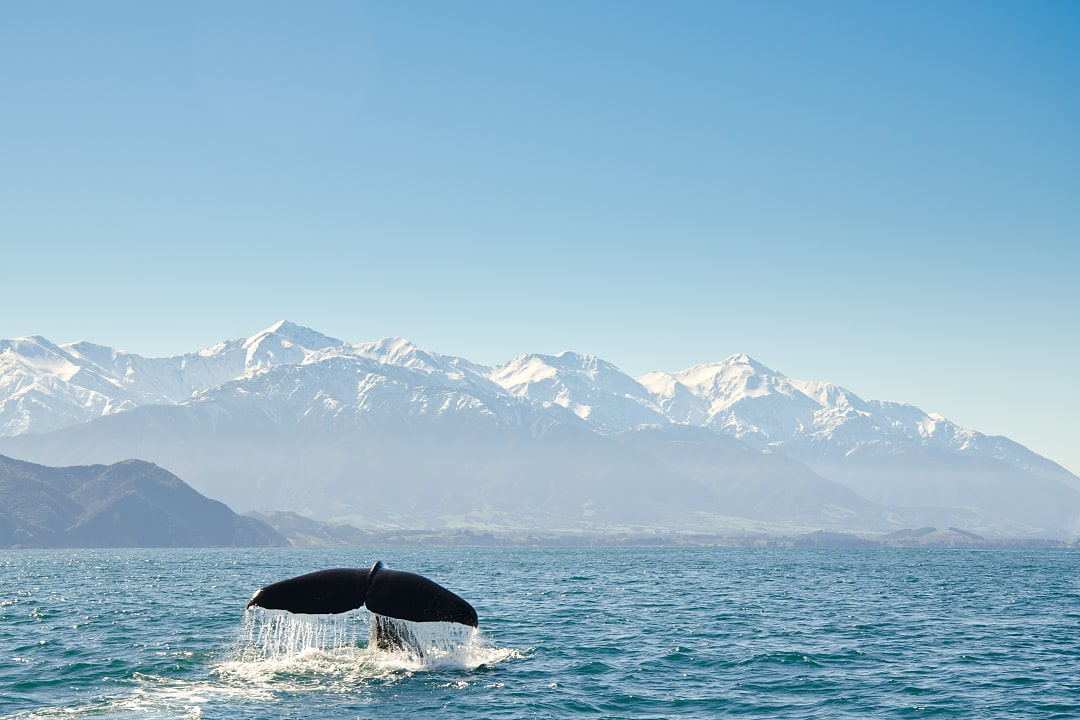
Whale tale breaching the surface in Kaikōura, New Zealand
Kaikōura, New Zealand

Ski the Slopes of Queenstown

In winter, the slopes around Queenstown become more than ski fields; they are stages for the ritual of alpine living. The interplay of crisp air, bright snow, and sweeping views turns each day on The Remarkables or Coronet Peak into a sequence of curated sensory moments.

  • Alpine Rhythm: Mornings begin with first tracks on groomed runs, the sound of edges on snow and the clean line of mountains against the sky. Afternoons ease into relaxed descents, sun catching the ridges and the promise of warmth and comfort waiting below.
  • Beyond the Slopes: Returning to Queenstown, the town’s lodges, restaurants, and lakeside pathways extend the experience, transforming activity into lifestyle. Here, winter is not only about sport, but about the pleasure of transition from cold to warm, exertion to ease, outside to in.

Pair alpine adventure with broader exploration when you embark on any of our sample best 12-day New Zealand itineraries.

Experience Matariki Celebrations

Matariki, the Māori New Year, brings a layer of cultural and spiritual depth to the New Zealand winter. Marked by the reappearance of the Matariki star cluster, it is a time that focuses on remembrance, gratitude, and intention, inviting you to connect with the land and its stories in a more meaningful way.

  • Reflective Gatherings: Community events, shared meals, and performances create an atmosphere where visitors are welcomed into living tradition rather than observing from a distance. The winter setting of crisp nights, clear skies, and the presence of the stars themselves adds a powerful sense of place.
  • Time and Continuity: Matariki invites you to consider your own cycles of travel and return within the context of Aotearoa’s enduring narratives. It transforms a winter visit from a seasonal choice into a moment within a longer, more reflective journey.

Gain further context and inspiration by taking a look at our Top 8 Things to Do in New Zealand.

Go Whale Watching in Kaikōura

Kaikōura’s waters become a corridor for migrating whales in winter. This turns the coastline into a dynamic meeting point between ocean life and dramatic landforms. Against a backdrop of snowcapped mountains rising directly from the sea, each sighting feels visually and emotionally heightened.

  • Deep-Water Encounters: Boat and aerial excursions offer vantage points where the curve of a whale’s back, the lift of a tail, or the plume of a breath stands in stark relief against cold air and steel-blue water. The experience feels elemental, shaped by the rhythms of the animals themselves.
  • Edge of Land and Sea: The juxtaposition of alpine peaks and rich marine life underscores Kaikōura’s sense of place: a narrow strip where two powerful worlds meet. That tension between altitude and depth, rock and ocean gives each outing a distinctive, almost theatrical intensity.

Incorporate Kaikōura’s marine drama into a customizable New Zealand South Island vacation.

Soak in the Hot Pools of Rotorua

Rotorua’s geothermal landscapes come into their own in winter. Cool air meets warm earth in clouds of rising steam and soaking is not simply a way to relax, but a way to inhabit a landscape shaped by volcanic forces and rich cultural narratives.

  • Geothermal Calm: Thermal pools and private baths feel especially restorative when the surrounding air is crisp, each soak framed by drifting steam, mineral scents, and the quiet of the season. The contrast between warmth and chill sharpens every sensation, turning a simple pause into a ritual.
  • Layers of Story: Beyond the pools, geysers, mud fields, and forest-fringed lakes reveal the ongoing dialogue between geology and culture in this region. Engaging with local Māori stories and traditions adds meaning to every view, making relaxation part of a deeper connection to place.

See how Rotorua features in our sample Endless Natural Splendors of New Zealand Vacation.

Other Considerations

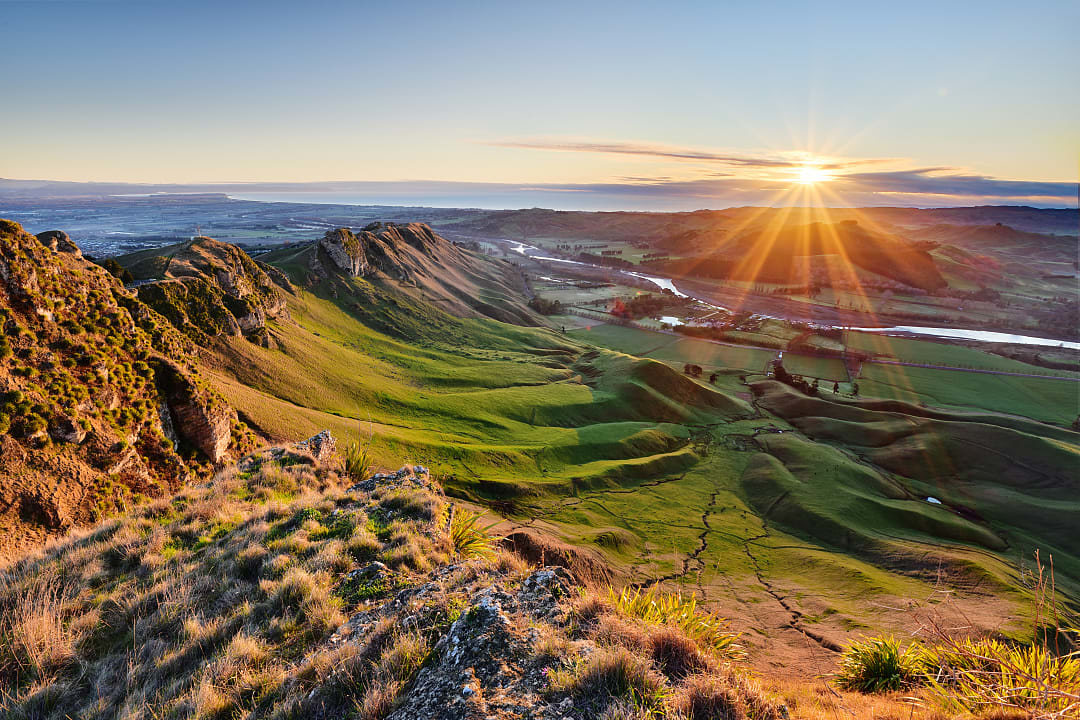
Hawke's Bay, New Zealand

What is the ‘Four-Seasons-in-One-Day’ Phenomenon in Winter?

New Zealand’s island geography means that even in winter, conditions can shift quickly, sometimes delivering sun, cloud, rain, and clear skies within a single day. Rather than a disruption, this variability becomes part of the theater of travel, changing how each landscape appears from hour to hour and rewarding flexible, well-planned itineraries. With luxury transport, attentive logistics, and properties equipped for all conditions, the “four-seasons-in-one-day” effect enhances the sense of immersion while ensuring your comfort is never compromised.

Is the Water in New Zealand Warm Enough for Swimming in Winter?

During winter in New Zealand, the waters can be cold to freezing, depending on where you are on the islands. Ocean and lake temperatures are refreshing rather than balmy, according to the way you experience the waters. In the North Island, select coastal regions can still feel inviting for brief, invigorating dips, while in the South Island, the focus often shifts toward viewing the water from comfortable private cruises, hot tubs with lake views, or lodge decks overlooking fjords and bays. When paired with wetsuits, heated facilities, or geothermal pools, water-based experiences become about contrast and atmosphere, not endurance.

How Do I Manage Sun and Weather Intensity during Winter in New Zealand?

Even in winter, New Zealand’s relatively thin ozone layer means that UV exposure can be stronger than expected, particularly on snow and water, where light is reflected. High-SPF protection, quality sunglasses, and thoughtful layering are essential, especially on alpine days that feel cool but bright. Many recommended lodges and boutique hotels offer shaded outdoor spaces, spa facilities, and climate-controlled interiors, so you can enjoy long days outside knowing there is a cocoon of comfort waiting at day’s end.

Where is the Best Place to See Snow in New Zealand in Winter?

The South Island holds New Zealand’s most cinematic snow scenes. Queenstown and Wanaka pair powder-coated peaks and lake reflections with design-led lodges and polished dining, offering alpine energy and refined ease. Further south, Fiordland and the Southern Alps reveal vast valleys and sharply etched horizons, where even a simple drive feels immersive. Around Aoraki/Mount Cook and the Mackenzie Country, clarity and stillness define the experience with endless skies, silent snowfields, and the rare luxury of beauty without crowds.

Where Is the Best Place to Visit in New Zealand in July?

July marks the height of winter, ideal for savoring New Zealand’s alpine rhythm. Queenstown anchors the season with lively après-ski, calm lakescapes, and access to slopes and fine dining. For balance, combine it with Marlborough or Hawke’s Bay, trading snowy mornings for vineyard afternoons. If you prefer a gentler climate, the Bay of Islands and North Island coasts offer bright air, quiet bays, and a slower pace that feels exclusive and unhurried. For more details, see our New Zealand in July article.

Plan Your Trip to New Zealand in Winter

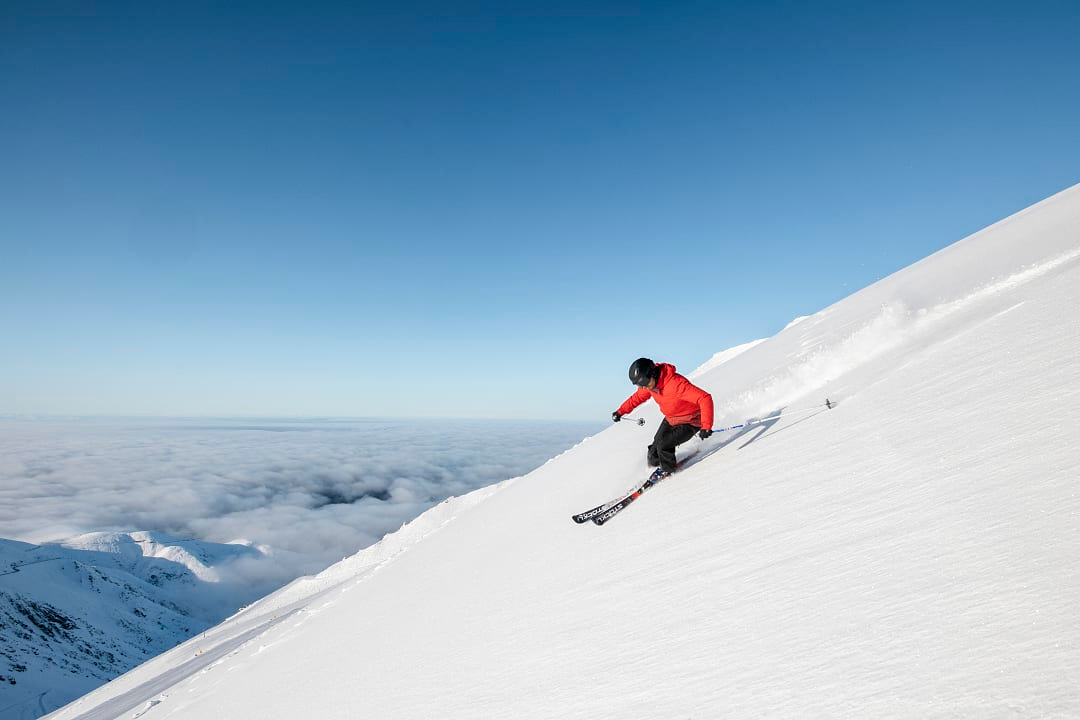
Mt Hutt Ski Area in Canterbury, New Zealand
Mt Hutt Ski Area in Canterbury. Photo courtesy of Graeme Murray / New Zealand Tourism

Winter in New Zealand offers a magical blend of snowcapped mountains, tranquil landscapes, and exciting outdoor activities. From world-class skiing and snowboarding to the serene beauty of fjords and hot springs, this season transforms the country into a winter wonderland. The cooler temperatures and fewer tourists provide a unique opportunity to experience New Zealand’s stunning natural beauty in a more peaceful setting.

Find more detailed information and inspiration on planning your winter trip, see our New Zealand travel guide or our New Zealand tours and vacations.

30,000+ Verified Traveler Reviews