Is It Warm Enough to Swim at the Great Barrier Reef in July?
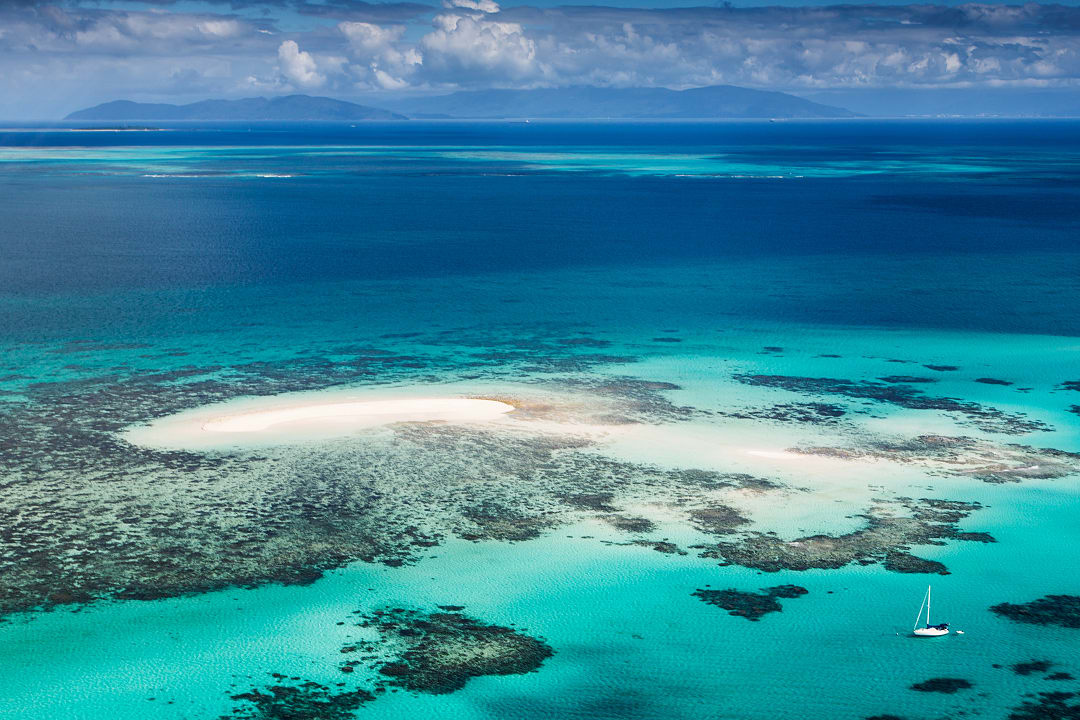
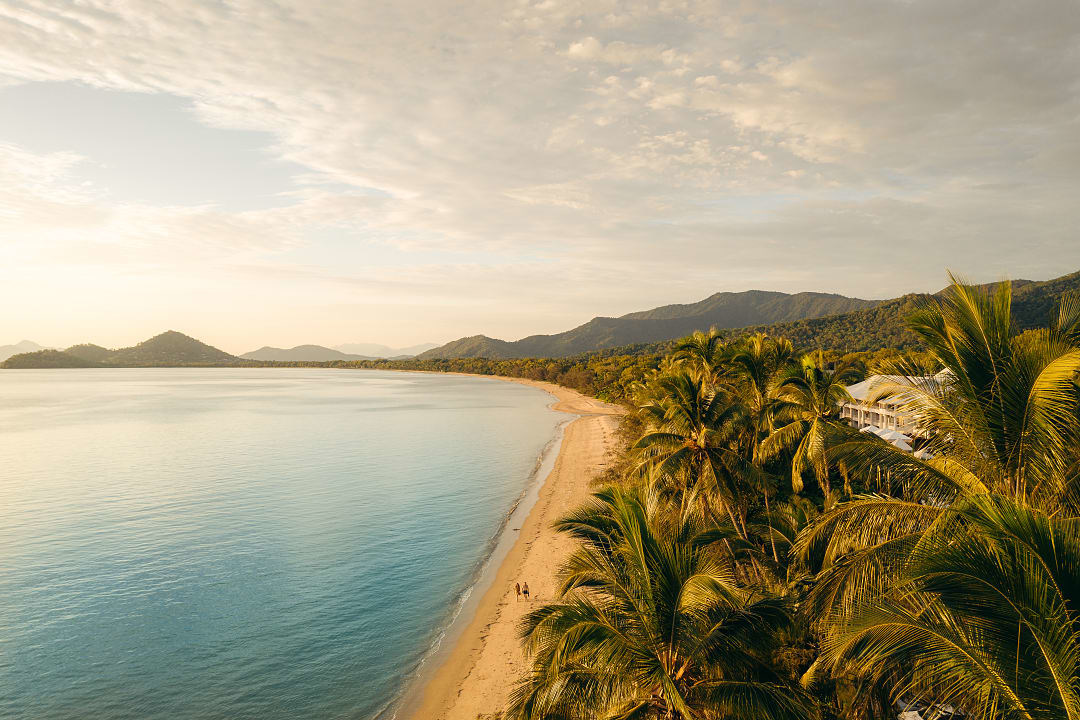
While July is mid-winter, the tropical waters of Northern Queensland remain surprisingly temperate, typically hovering around 73°F to 75°F. For many travelers, this is quite comfortable for snorkeling or diving, especially given air temperatures are warm and the humidity is low. The clarity of the water during the dry season is often superior, providing exceptional visibility of the coral structures and marine life without the runoff associated with summer rains.
To ensure your comfort during extended sessions in the water, high-end tour operators provide high-quality, lightweight wetsuits. These not only offer thermal protection, but also buoyancy and sun protection while you explore the outer reef. After your swim, the dry winter air feels refreshing on deck, making it an ideal time for a private lunch on a luxury catamaran or a relaxed afternoon on the deck of a support vessel under the steady northern sun.
How Do I Avoid School Vacation Crowds in July?
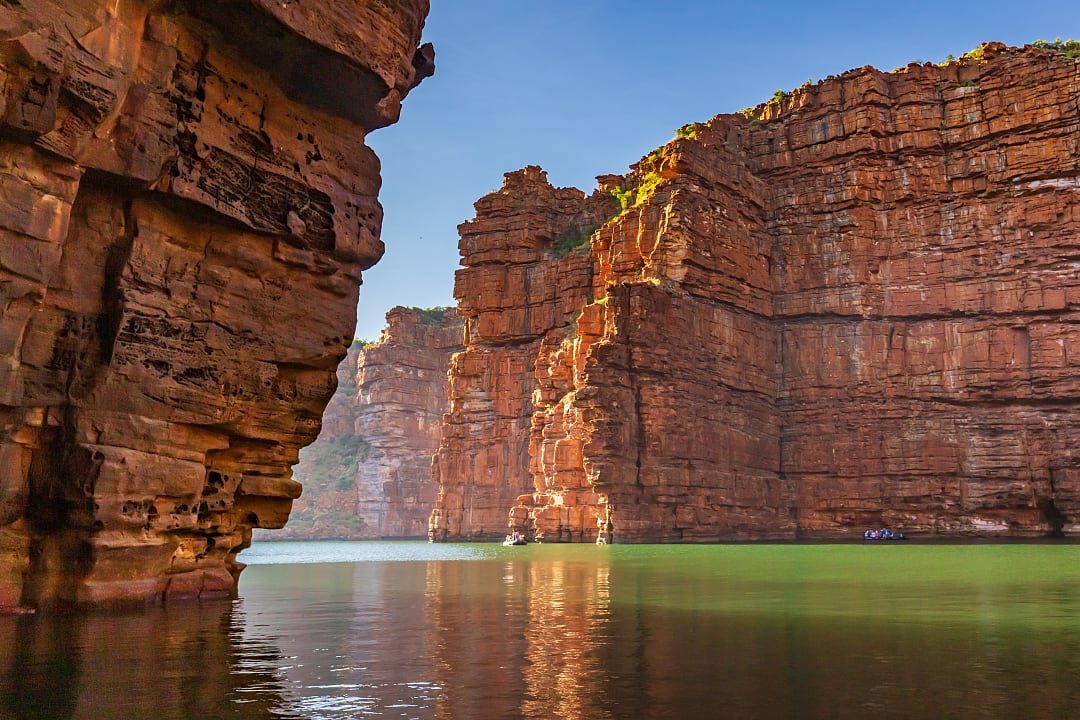
The first two weeks of July align with the winter break for Australian schools, which can lead to increased activity at popular coastal hubs and family-centric accommodations. To maintain a sense of exclusivity and tranquility, we recommend focusing your itinerary on more remote or niche destinations that require specialized access. Options such as a Kimberley coast luxury tour or a private stay at a lodge like Bamurru Plains offer a natural barrier to the general public, ensuring your experience remains intimate and unhurried.
Another highly effective strategy is to use private transportation and exclusive charters. Booking a private yacht charter in the Whitsundays allows you to navigate to secluded bays and quiet moorings far from the main ferry routes and day-trip crowds. By timing your visits to major landmarks with the help of our destination specialists, who understand the flow of local traffic, you can enjoy the architectural views of Sydney or the gourmet scenes of the south with the personal space and attention that a luxury journey requires.
Is the Kimberley Humid in July?
July marks the height of the dry season in the Kimberley, meaning humidity levels are at their annual low. Unlike the tropical wet season,"which brings heavy moisture and stifling heat, July offers crisp, clear blue skies and a very comfortable, arid climate. The daytime temperatures are warm and pleasant, usually reaching the low 80s, which is perfect for active exploration like Gibb River Road private 4WD tours or hiking through the ancient geological formations of the Bungle Bungles.
As the sun sets over the rugged escarpments, the lack of humidity causes temperatures to drop significantly, leading to refreshing and cool nights. This temperature swing is one of the region's most appealing winter features, allowing for comfortable sleep and the opportunity to enjoy cosy fireside gastronomy under a vast canopy of stars. It is an ideal environment for those who wish to experience the raw, magnificent beauty of the Australian interior without the physical demands of tropical heat.