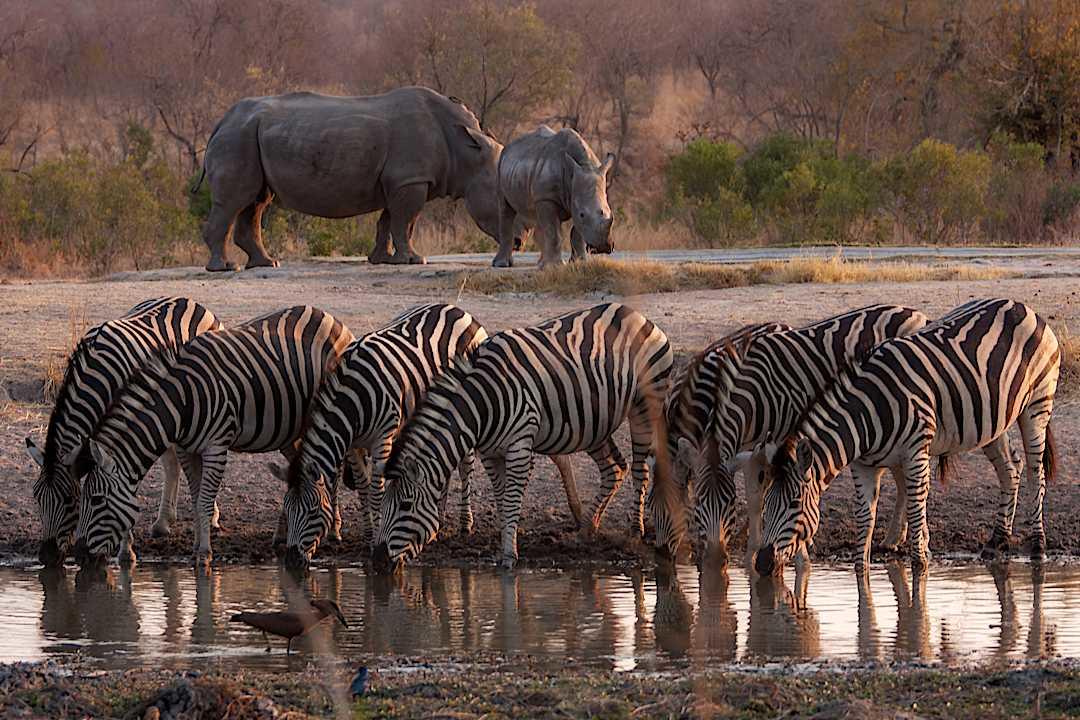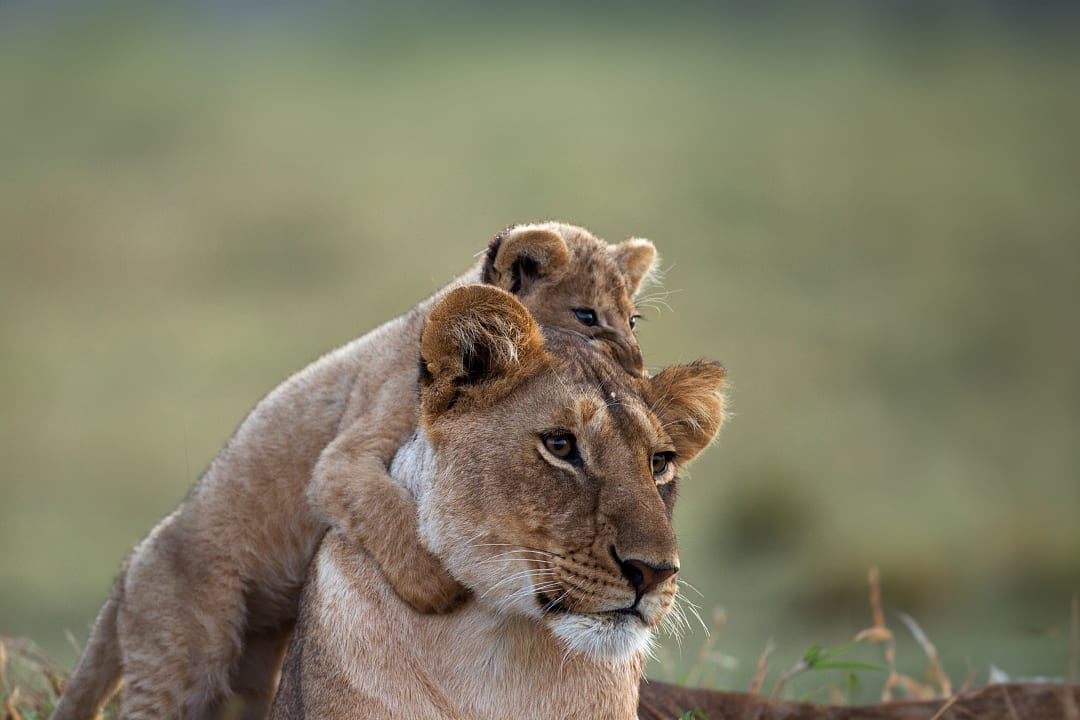
There is a particular quality to the African bush that defines it as a unique destination. The fine red dust that settles on every surface, the dry heat that radiates from baked rock well into the evening, and the ancient silence broken only by the crack of a branch or the distant call of a bird. This is the world of the terrestrial giants, where lions, leopards, rhinos, buffalo, and elephants have shaped the land over millennia. Expert trackers read the bush through fresh spoor, broken branches, and the alarm calls of smaller animals, drawing on traditions as old as the safari itself. Intimate lodges and tented camps place you inside this landscape rather than alongside it, so that every game drive, every walking trail, and every still moment at a waterhole becomes a chapter in a story written long before you arrived.
SPOT A PRIDE OF LIONS LAZING IN THE AFTERNOON SUN
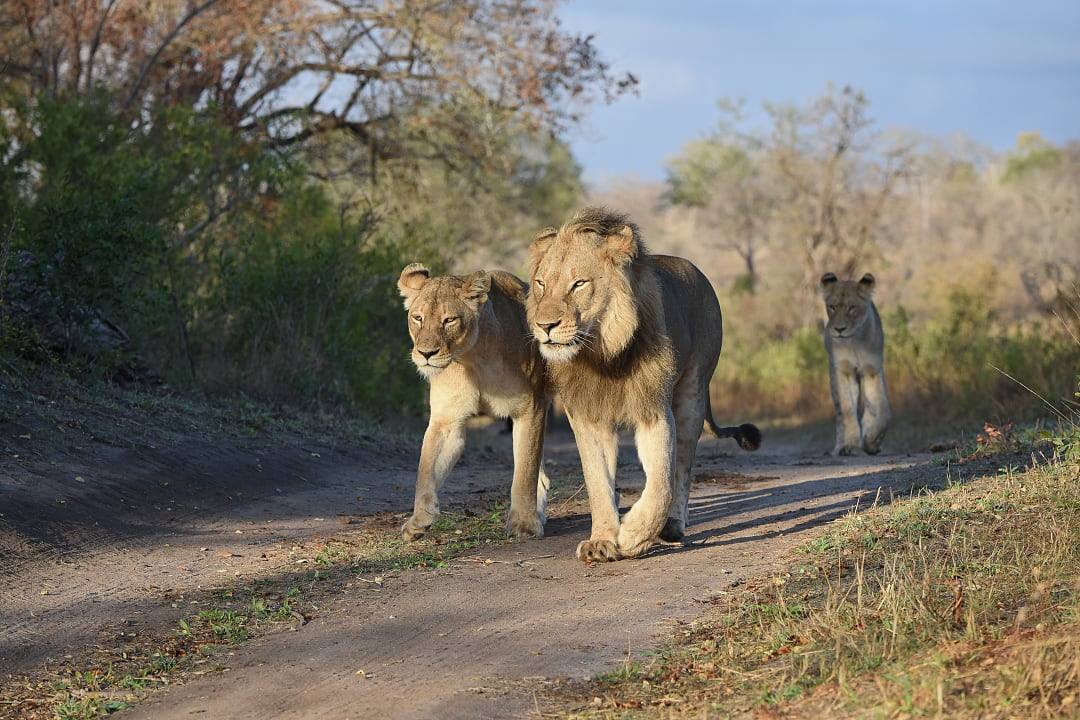
Settle into the soft glow of late afternoon as the plains exhale the last heat of the day and silhouettes of lions emerge against warm rock and tawny grass. In this gentle light, you watch a pride drift from drowsy repose into quiet, purposeful movement, revealing the intimate cadence of their daily life.
Why This Activity is Unmissable
Afternoon lion viewing places you at the precise moment when a pride shifts from languid rest to purposeful movement. You witness the essence of big-cat life on the plains as heat softens and energy rises.
- It offers a close, unhurried look at lion family dynamics in the gentle light of late afternoon.
- This reveals the powerful contrast between stillness on the rocks and the focused intent that follows.
- It encapsulates the spirit of the African savanna through encounters with a key apex predator.
- Align your experience with the natural pace of the day as the landscape cools and wildlife stirs.
A Journey Through History
Embrace a long tradition of watching prides claim rocky outcrops as vantage points and resting spots. These scenes mirror classic safari stories that track lions along well-worn territories and seasonal routes.
- The bush reflects time-honored lion behavior around rocky outcrops, or kopjes, where visibility and shade support the pride.
- Listen to echoes of early safari accounts that followed prides through familiar hunting grounds and pathways.
- Your surroundings illustrate how great grazing movements, such as the migration of wildebeest and zebra, shape lion patterns.
- This underscores the role of pride as a regulating force within the wider ecosystem.
What to Expect
Your vehicle follows a crooked, dusty track as a light breeze brushes your face and carries the dry scent of sun-warmed grass. Ahead, a rocky outcrop reveals tawny bodies draped over stone, slowly waking into fluid, powerful motion.
- The first thrill of spotting a lion blending perfectly into baked rock and pale grass.
- Slow stretches, deep yawns, and gentle nudges as the pride shakes off the weight of midday heat.
- A lioness slipping into a measured walk, muscles defined beneath her coat as she fixes on distant movement.
- Impala or warthog crossing the scene, their presence sharpening the focus of every gaze in the pride.
- A growing charge in the air as predator and prey move across dry earth in quiet, controlled alignment.
- During the Great Migration, the distant sound and scent of wildebeest and zebra draw lions into silent pursuit.
Where to Enjoy Your Visit
Across Africa, these regions deliver outstanding Big Five lion viewing. In South Africa’s Eastern Cape, Big Five experiences can be combined with marine outings to create a full Big Seven safari.
- Serengeti, Tanzania: Expansive grasslands and iconic kopjes that frame classic pride sightings in soft light.
- Maasai Mara, Kenya: Gently rolling plains where lions trail seasonal herds across open country.
- Sabi Sands, South Africa: Exclusive reserves offering extended viewing, with relaxed prides and fewer vehicles.
- Greater Kruger, South Africa: Varied terrain supporting multiple lion territories and diverse viewing opportunities.
TRACK THE ELUSIVE LEOPARD AT DAWN OR DUSK
Step into the hush of first light or the soft fade of daylight, when the bush reveals its most secretive stories in tracks, calls, and shifting shadows. At these edges of the day, you follow subtle clues that lead to a single, poised figure in dappled light and feel the thrill of finally meeting the leopard on its terms.
Why This Activity is Unmissable
Leopard tracking at first and last light introduces you to the secretive side of the bush, when the most subtle clues reveal a predator's presence. You follow the story in real time, from alarm calls in the trees to a quiet silhouette emerging in the branches.
- It invites you into the most atmospheric moments of the day, when predators move with greatest intent.
- You will learn about the leopard's world through behavior, tracks, and sounds, deepening every encounter beyond chance alone.
- Come close to one of Africa's most compelling cats, known for poise, strength, and stealth.
- Align your experience with the natural flow of nocturnal and crepuscular activity in the bushveld.
A Journey Through History
Leopards have long shaped safari lore as the most elusive of the big cats, rewarding patience and close attention. Your dawn and dusk outings continue this tradition, reading the landscape as earlier trackers did through spoor, alarm calls, and the faintest signs of movement.
- Classic tracking practices rely on fresh prints, broken branches, and the behavior of surrounding animals.
- Learn tales of leopards stashing prey in trees to protect it from scavengers.
- Discover how leopards adapt to a shared landscape, hunting mostly under cover of darkness and low light.
- Their role as solitary predators links forest, riverine, and rocky habitats across vast territories.
What to Expect
First light washes over the bush as impalas snort and baboons bark from treetops, their calls guiding your attention. Your vehicle slows near a lone marula tree, binoculars raised, as a faint outline among the leaves sharpens into a waiting leopard with its catch resting in the branches.
- Dawn air cool against your skin, filled with the sounds of waking birds and distant calls.
- The sudden stillness in the vehicle as everyone focuses on the canopy and your pulse climbs a notch.
- The sight of a slender, spotted body resting effortlessly above the ground, muscles at ease, yet ready.
- The rich, earthy scent of the bush mixed with faint traces of fresh kill beneath the acacia.
- Later, as dusk deepens, fresh tracks along a sandy path hint at renewed movement and opportunity.
- A final glance toward a rocky outcrop, where a brief flicker of motion reveals the leopard slipping into evening shadow.
Where to Enjoy Your Land-Based Visit
Diverse landscapes across Africa provide ideal settings for dawn and dusk leopard tracking, from riverine forest to granite outcrops. Each region shapes a distinct style of encounter, while early and late drives focus on the quiet details that reveal these cats.
- Sabi Sands, South Africa: Renowned for frequent, relaxed leopard sightings and expert trackers.
- South Luangwa, Zambia: Riverbanks and woodlands that favor productive dusk and night drives.
- Serengeti (Seronera region), Tanzania: Classic savanna interspersed with rocky outcrops and trees ideal for leopard viewing.
- Greater Kruger, South Africa: Varied terrain where riverine corridors and kopjes hold excellent leopard territory.
REVEL IN RHINO SIGHTINGS IN AN OPEN SAVANNAH
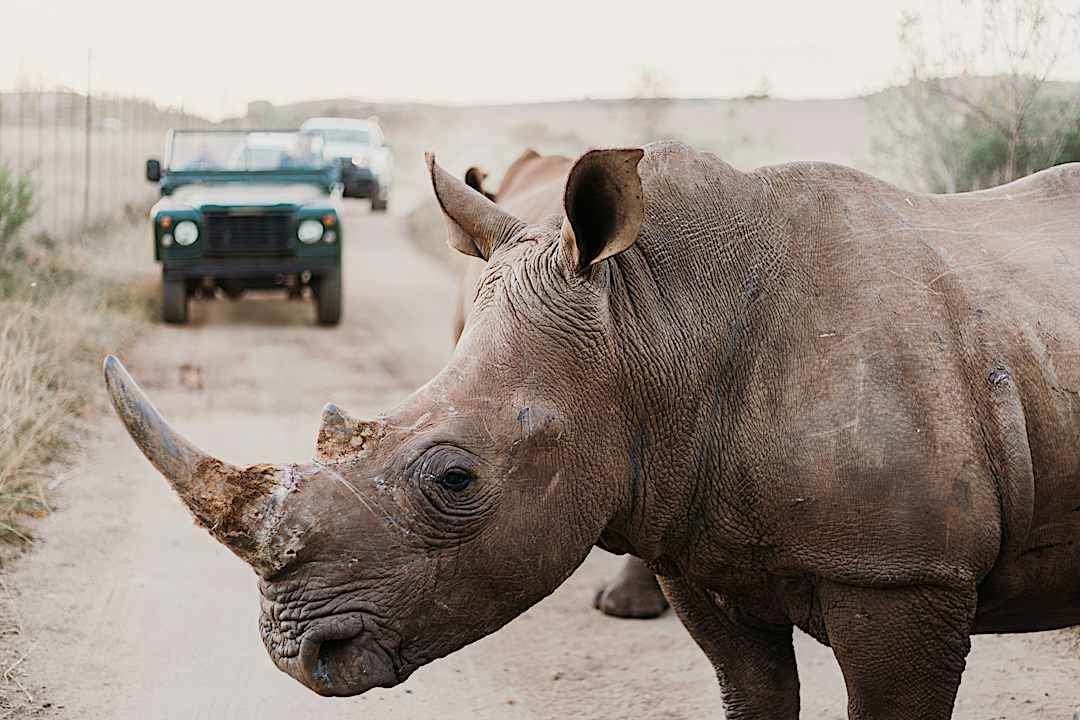
Stand with the open savanna stretching around you as a single, solid shape begins to form against the pale grass and distant trees. In this wide, uncluttered space, each slow, deliberate step of the rhino feels powerful and unhurried, inviting you to pause and truly take in its presence.
Why This Activity is Unmissable
Rhino tracking in open savannahs introduces you to one of Africa's most compelling and guarded icons in a setting that feels spacious, calm, and deeply grounding. Your experience becomes a rare opportunity to share quiet moments with a powerful animal that moves with surprising grace and composure.
- It offers treasured sightings of a species regarded as one of the most valuable members of the Big Five.
- The bush reveals the rhino's presence in wide, open plains and around pockets of shrubs and trees.
- Enjoy unhurried observation, with time to notice posture, movement, and subtle behavior.
- Create a sense of connection with an animal whose sheer presence inspires respect and care.
A Journey Through History
Rhinos carry a long and complex story within African landscapes, shaped by their status, vulnerability, and the efforts that surround their protection. As you watch them in the wild, you engage with a living chapter of conservation history unfolding in real time.
- The rhino's journey from prized target to fiercely protected icon of modern conservation is reflected in every reserve that safeguards them today.
- Protected areas and responsible travel support the species' ongoing future.
- Wide, intact savannahs allow rhinos to follow natural grazing patterns across their full range.
- Their role as large grazers shaping grasses and open habitats invites thoughtful appreciation.
What to Expect
Your vehicle rolls softly across dusty plains, passing clusters of leafy shrubs where a rhino may appear, its broad back and horn rising above the brush. The animal sways gently from side to side with each step, moving in a slow, steady line that feels ancient and deliberate.
- A first impression of size and solidity, softened by the calm, measured way a rhino walks.
- The faint crack of a twig underfoot and the low swish of its ears as it flicks away persistent flies.
- A chance to sit quietly as the rhino grazes or lifts its head, dust hanging briefly in the warm air.
- In the dry season, a stop at a waterhole where rhinos gather to drink and sink into mud, coating their skin.
- Ripples across the water's surface as they step in, followed by the soft slap of mud against thick hide.
- A final moment of stillness as the rhino turns away, its silhouette strong against the open savannah.
Where to Enjoy Your Visit
Beautifully managed parks and reserves across Africa offer meaningful rhino encounters in varied open habitats. Each destination brings a slightly different landscape, while still delivering the expansive views and tranquil settings that suit rhino viewing.
- Ngorongoro Crater, Tanzania: A natural amphitheater where open grasslands increase the chances of daytime rhino sightings.
- Kruger National Park, South Africa: Extensive savannah and bushveld that support significant rhino populations.
- Private reserves bordering Kruger: Refined, low-density viewing with guides who tailor drives to maximize quiet rhino encounters.
- Etosha National Park, Namibia: Wide pans and waterholes where rhinos often appear in the softer light of late afternoon and evening.
KEEP AN EYE OUT FOR BUFFALO HORNS PEERING ABOVE A SHRUB
Watch the grasslands carefully until a curve of horn and a dark, steady gaze rise above the shrubs and golden stems. In that moment, the quiet landscape fills with the grounded power of buffalo herds and solitary bulls, moving with weight and unspoken authority through the open savanna.
Why This Activity is Unmissable
Buffalo encounters immerse you in the raw presence of Africa's powerful herd life, where every movement carries weight, dust, and intent. You share the landscape with animals whose size, numbers, and quiet authority create an atmosphere of awe from the moment you spot their horns above the grass.
- Close viewing of one of Africa's most imposing herd species in open grasslands and near water.
- The contrast between dense, social herds and solitary or bachelor groups along rivers and channels is striking.
- Experience mindful observation of body language, from steady grazing to purposeful, coordinated movement.
- Create a deep appreciation for the strength and unity that define buffalo life on the savanna.
A Journey Through History
Buffalo have long occupied a central place in safari stories, respected for their strength, resilience, and complex social structures. Your time with them continues that legacy, revealing how large herds and older males shape the landscape and the narratives that surround them.
- Historical accounts of buffalo reflect their status as vital prey species and formidable, respected animals.
- The social fabric of tightly knit herds that move and respond almost as a single organism is on full display.
- Bachelor groups, known as "dugga boys," prefer quieter pockets of mud and water away from the main herd.
- Their role in shaping grassland ecosystems through grazing, movement, and presence near water enriches every encounter.
What to Expect
Your 4x4 follows a sandy track when a low, steady rumble begins to build, the sound of hooves and shifting bodies moving through the grass. Ahead, a wall of dark forms emerges, horns curving skyward as a herd shuffles past, dust rising in a fine cloud around them.
- The sight of broad, heavy heads lifting above shrubs, horns catching the light in sharp, sculpted lines.
- A tangible vibration in the ground as dozens of hooves pass in uneven, rolling waves.
- The rich smell of earth, mud, and sun-warmed hides carried on the air as the herd draws closer.
- Occasional glances from watchful eyes that assess your presence, steady and unflinching.
- Along river banks or delta channels, the quiet focus of a lone male or small bachelor group grazing in solitude.
- "Dugga boys" half-sunk in mud, caked hides and curved horns framed by golden grass and shallow pools.
Where to Enjoy Your Visit
Several of Africa's great river systems and savannas provide ideal settings for immersive buffalo encounters. Each destination presents its own backdrop, from open floodplains to wooded riverbanks, enhancing the drama of horns and dust on the horizon.
- Maasai Mara, Kenya: Rolling grasslands where large herds move in response to water and grazing.
- Chobe National Park, Botswana: Riverfront scenes of buffalo coming to drink and cross channels in afternoon light.
- Mana Pools, Zimbabwe: Beautiful floodplains and riverbanks that attract big herds and solitary bulls.
- Greater Kruger, South Africa: Varied bushveld where buffalo appear along rivers, pans, and open clearings.
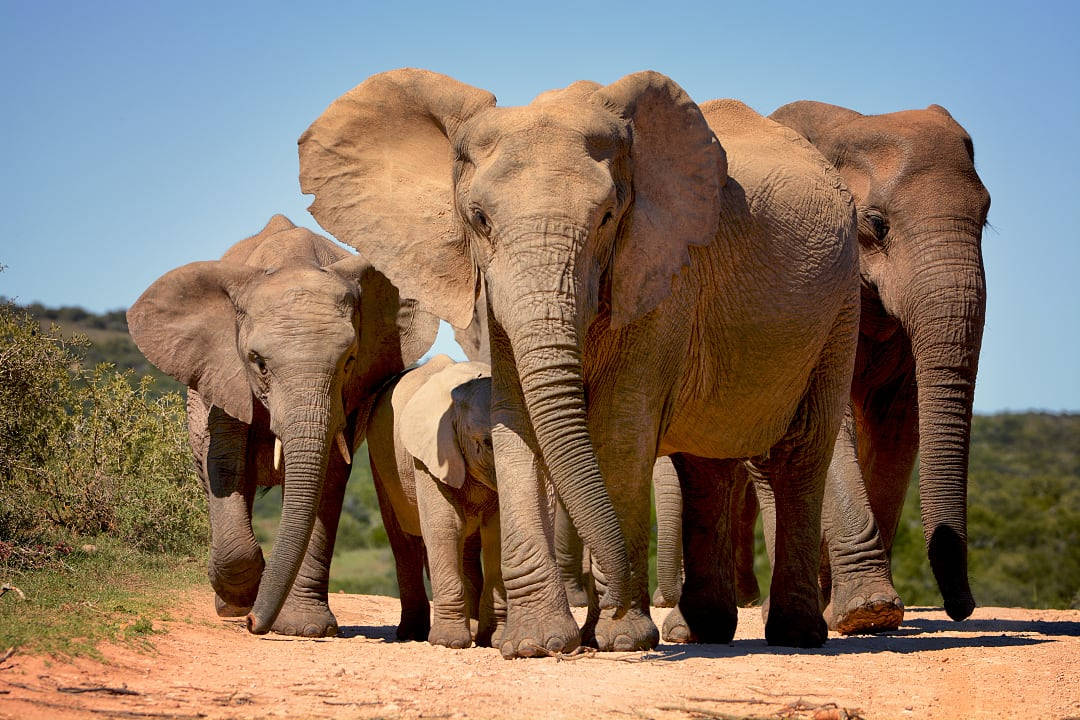
MARVEL AT A HERD OF ELEPHANTS DRINKING OFF A RIVER BANK
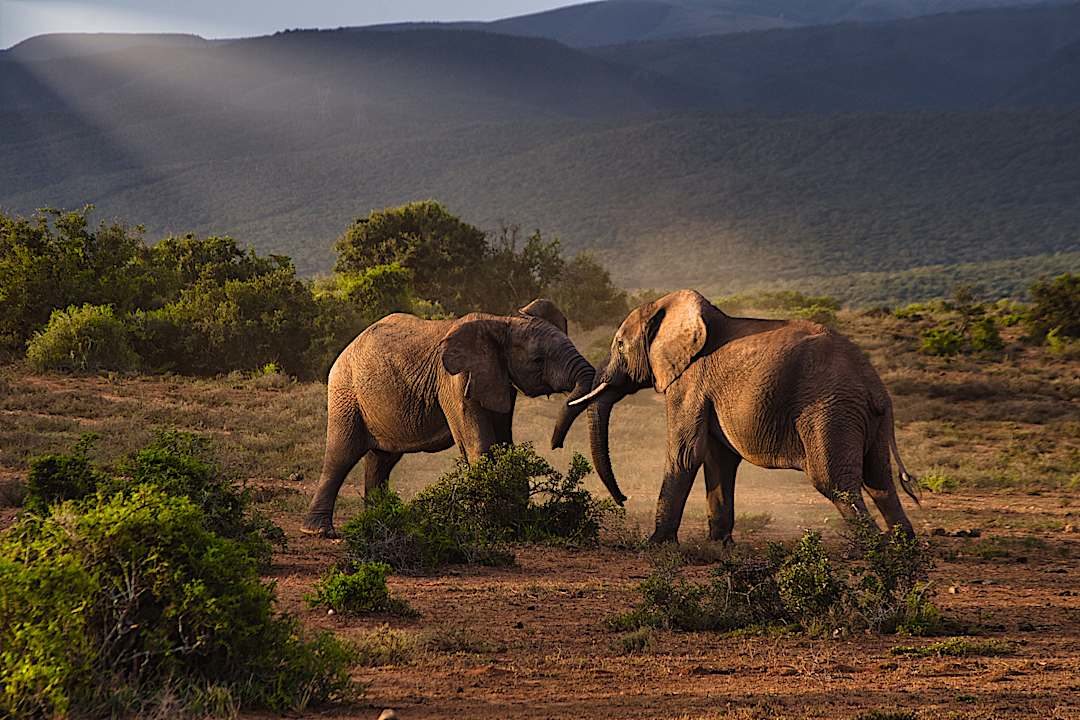
Position yourself quietly beside the river as a family of elephants gathers at the water's edge, trunks curling into the cool flow under a softening sky. In this timeless scene, you witness the matriarch's gentle authority as she guides her herd through splashes, rumbles, and tender touches that demonstrate deep familial bonds.
Why This Activity is Unmissable
Time with elephants at a riverbank places you within the calm, deliberate heart of family life in the wild. You share a quiet vantage point as generations gather to drink, interact, and move together with an ease that feels deeply reassuring.
- Gain an intimate window into the bonds between matriarchs, mothers, and calves at a natural meeting place.
- Observe complex social behavior that unfolds slowly, rewarding patient, attentive observation.
- Frame elephants against open horizons and broad river vistas that feel expansive and serene.
- Create a lasting sense of connection with an ancient, deeply intelligent species.
A Journey Through History
Elephants have shaped river valleys and floodplains for centuries, following traditional pathways that link water and feeding grounds. Your time beside the river continues this story, tracing routes that countless herds have walked before.
- Age-old movements along rivers serve as lifelines through varied landscapes, guiding families across generations.
- The matriarch holds the memory of her family, guiding them to safe routes and reliable water with quiet certainty.
- River systems serve as social hubs where elephant families meet, drink, and interact across the seasons.
- Behavior that speaks to long-standing knowledge and intergenerational continuity unfolds before you.
What to Expect
You follow a winding path of dust and stones with your walking safari guide until the land opens and a distant line of elephants appears on the horizon, each step slow and measured. Later, from a tender boat on a broad river, you watch a soft grey line form along the opposite bank as the herd gathers to drink beneath a changing sunset sky.
- A first, almost distant silhouette of elephants moving in unison, ears gently fanning the warm air.
- Fine dust rising around their feet as they draw closer to the water's edge, softening the evening light.
- The matriarch stepping forward with quiet certainty, her family flowing behind her in an easy, practiced pattern.
- Calves weaving between towering legs, small trunks reaching for reassurance and playful contact.
- Deep, low rumbles that you feel as much as hear, layered with splashes as trunks pull water from the river.
- Gentle trunk touches, protective circles around the young, and lingering glances that invite calm, patient watching.
Where to Enjoy Your Visit
Elephant river scenes come to life in some of Africa's most beautiful riverine landscapes. Each destination offers its own mix of walking paths, boat access, and sweeping views across water and sandbanks.
- Chobe River, Chobe National Park: Dense elephant populations and unforgettable late-afternoon riverbank gatherings.
- Amboseli's wetlands and swamps: Wide views of elephant families moving between open plains and water sources.
- Addo Elephant Park and surrounding Eastern Cape reserves: Rolling hills and water points where large herds routinely gather.
- Greater Kruger river systems: Meandering river courses that attract elephant herds to drink, bathe, and cross in the softer light of morning and evening.
For further inspiration, take a look at Zicasso’s African Safari for First-Timers. The itinerary can be customized to your preferences.