The Patterns of Spain: Adjusting to Siestas and Late Dinners

View of terraced vineyards overlooking the coast in the Basque Country, Spain.

View of terraced vineyards overlooking the coast in the Basque Country, Spain.

Daily life in Spain does not follow a standard nine-to-five pace. In Galicia and the Basque Country, you may find earlier dinners and cooler evenings, while in Andalusia or Extremadura, the day stretches later to escape the heat and make space for unhurried social life. Late meals, long lunches, and quiet afternoons create a recognizable structure, yet each region, city, and village interprets that structure in a way that is shaped by local climate, history, and habit.

By adjusting to this complexity rather than seeing it as an inconvenience, you will experience a rare form of luxury in the freedom to slow down. At 2.30pm, lunch might feel "late,” but settling into the Spanish way of life allows you to release yourself from urgency and adopt a mindset where the meal is the destination. In coastal regions, shops may stay open for convenience, but just inland, the midday closure is a reminder that time here is guarded for rest and personal well-being. The true luxury of travel in Spain lies in surrendering your watch and letting the local culture dictate a more restorative flow.

Extraordinary travel relies on expertise, ensuring you move with the place you are visiting. Zicasso’s travel specialists understand that a luxury itinerary in Spain must respect national patterns and regional nuances, like when Madrileños crowd the terrazas after work, when Andalusian streets cool enough for a paseo, and when Basque pintxos bars feel most lively. By attuning your journey to the subtleties of local life, you gain access to Spain’s deeper character: a culture that negotiates modern pressures while fiercely protecting time for family, food, and community.

Regional Morning Routines

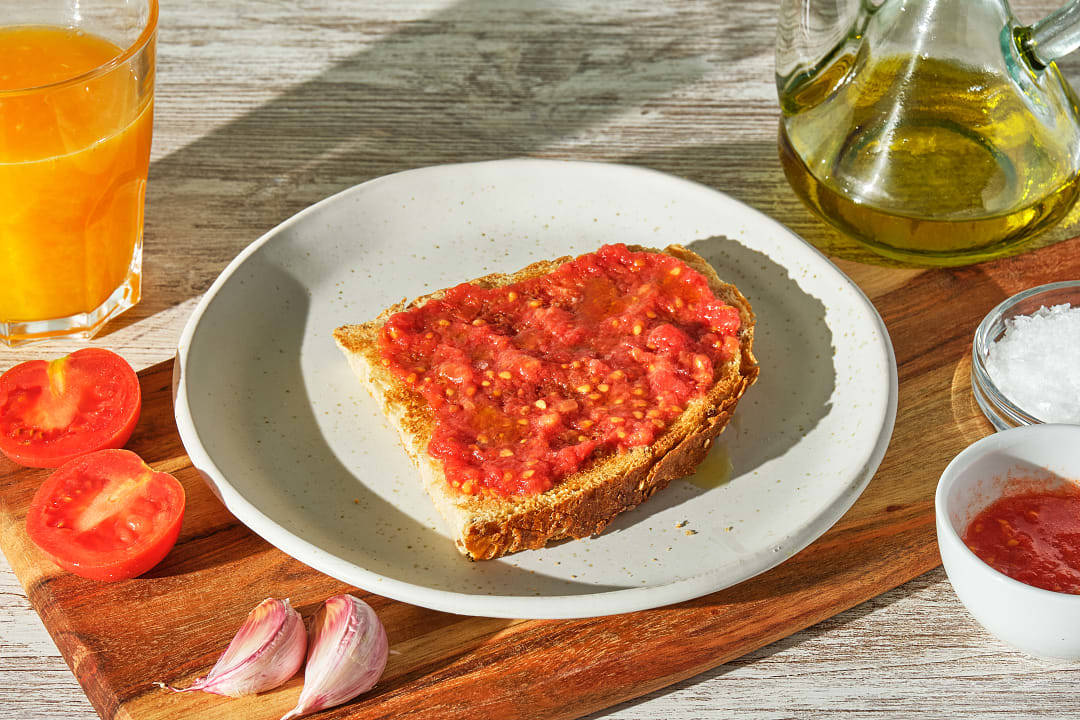
A traditional Tostada con tomate y aceite.

The Spanish morning offers a gentle entry into the day, a luxury compared to the rush of daily life elsewhere. However, the experience shifts as you move between regions. In the North, the morning is often a crisp, brisk period influenced by the Atlantic air, while in the South, it is a slow unfolding designed to maximize the cool hours before the sun dominates the landscape.

  • Andalusian Terroir: In the South, start with tostada con tomate y aceite, where the luxury is the quality of the estate-bottled olive oil that connects you immediately to the surrounding groves.
  • The Basque Almuerzo: In San Sebastián, witness the hamaiketako, a mid-morning savory snack where locals pause to prioritize connection over productivity.
  • Urban Balance: In Madrid, observe the "second breakfast" in busy plazas, a reminder that even in a metropolitan center, the focus remains on personal balance.
  • Village Presence: In smaller towns, the unhurried nature of mid-morning coffee is a lesson in being present, where the conversation is as valued as the caffeine.
  • Merienda as Social Glue: Experience the late-afternoon pause that bridges the gap between lunch and dinner, a structured moment of indulgence across generations.

Highlights:

  • A gradual awakening that favors sensory experience over efficiency.
  • Direct connection to local agriculture through regional breakfast staples.
  • Observations of the almuerzo, where work-life balance is a visible priority.
  • The luxury of presence in unhurried village coffee rituals.
  • The merienda as a refined bridge between the day’s active and social phases.

Ease into Spain’s varied morning rituals when enjoying our Luxury 8-Day First-Timers Tour of Spain's Highlight Cities, which our travel specialists can customize to your preferences.

The Midday Pause

A quiet break in Andalusia with wine, olives, and a city view.

The midday pause is perhaps the ultimate luxury: permission to stop. In rural villages, this manifests as a profound silence where the world simply holds its breath. In urban centers like Madrid or Barcelona, the "siesta" undergoes a sophisticated shift. Rather than a total shutdown, the city experiences a change in energy where commercial noise is replaced by the clink of silverware and the hum of conversation in interior dining rooms.

  • Rural Restoration: In the villages of Extremadura, enjoy the luxury of total quiet as shops close, allowing the architecture to stand in undisturbed majesty.
  • The Urban Shift: Witness the metropolitan transition where the "what" of business is replaced by the "why" of a long, structured midday meal.
  • Climate Adaptation: In Andalusia, the pause is a strategic retreat from the peak heat, ensuring you have the vitality for the vibrant, cooler evenings.
  • Touring with Intention: Use this "closed" window for private tours of landmarks or enjoying your hotel’s amenities without the pressure of outside crowds.
  • Sunday Stillness: Experience the intensified quiet of weekends, which invites long walks and extended family meals over a to-do list.

Highlights:

  • The architectural appreciation possible only during the midday commercial quiet.
  • A cultural lesson in valuing personal time over relentless productivity.
  • Alignment with the natural environment to maximize physical well-being.
  • Exclusive access to high-end amenities during the city's restorative hours.
  • The rare commodity of a forced slower pace on Sundays and holidays.

Experience how the midday pause shifts from city to countryside on our sample Highlights of Southern Spain Tour: Madrid to Málaga.

One Tradition, Many Tables

A man cooking a traditional Valencian paella.

The main midday meal, or la comida, transforms lunch from a refueling stop into a celebration of company. In the Atlantic North, meals are often hearty and terrain-focused, while the Mediterranean South favors lighter, sea-inspired fare. The defining luxury is the sobremesa—the act of lingering long after the food is gone, with no pressure to leave.

  • Northern Gastronomic Weight: Savor the luxury of a slow-cooked stew in the misty hills of Asturias or the fresh harvest of a Galician port.
  • Mediterranean Brightness: Contrast this with a Valencian paella or the light pescaíto frito of the southern coast, where flavors are dictated by the sun.
  • The Art of Sobremesa: Relish the post-meal hour where conversation is the primary focus, a rare privilege that rejects the rush of modern dining.
  • The Menú del Día: Enjoy high-quality, coursed dining at a local pace, turning an ordinary afternoon into a curated culinary event.
  • Regional Timing: Understand that the North often begins the meal earlier due to shorter daylight, while the South stretches the afternoon to avoid the heat.

Highlights:

  • Transformation of lunch into a daily mindfulness practice through food.
  • Understanding regional history and agriculture through coursed dining.
  • The luxury of the sobremesa, where human connection is prioritized over table turnover.
  • Integration into the authentic local flow by dining during peak-service hours.
  • Experiencing the landscape through specific regional recipes and ingredients.

Explore the full spectrum of Spanish midday dining on our sample Culinary Heritage Tour of the country.

Local Identity on the Move

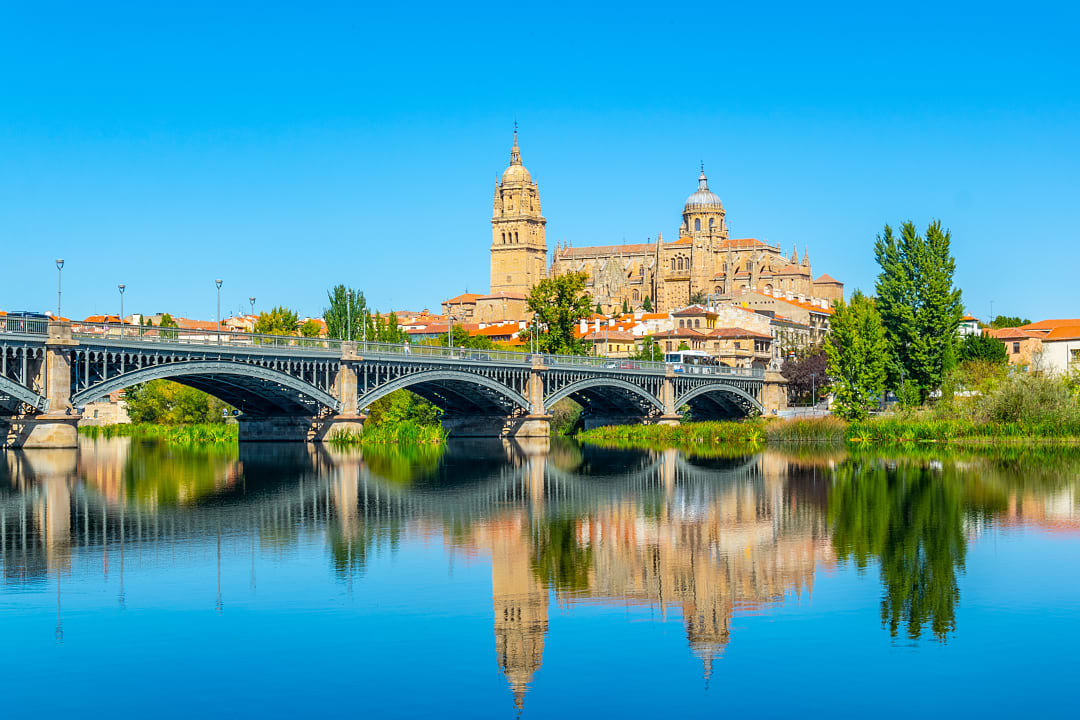
The Roman Bridge and Salamanca Cathedral seen from the riverside Paseo along the Tormes, Salamanca.

The paseo is a nightly spectacle that offers immense cultural value through the luxury of "being." In the landlocked heart of Castile, like Salamanca, the movement centers on the grand Plaza Mayor. On the coast, such as in Marbella, the flow moves to the seafront promenade. It is a walk without a destination, soaking in the atmosphere of a town at its most elegant.

  • Grandeur in the Interior: Join the promenade in Salamanca’s golden-hued plaza, where the historic stone provides a dramatic backdrop for social life.
  • Maritime Elegance: Experience the coastal paseo in Marbella or San Sebastián, where the sea breeze adds a sensory layer to the evening walk.
  • Generational Continuity: Witness families of all ages walking together, a warm tradition that highlights the cohesive nature of Spanish society.
  • Evening Aesthetics: Observe the habit of dressing for the evening stroll, elevating a simple walk into a display of regional style and occasion.
  • Temporal Bridge: Use the paseo as a graceful transition to decompress before arriving at dinner relaxed and ready for the night.

Highlights:

  • Witnessing the authentic social fabric of a community during its most relaxed hour.
  • The cohesive warmth of a society that integrates all generations into public life.
  • The elevated aesthetic of a population that treats a stroll as a formal occasion.
  • A mental space to decompress between the day’s activities and evening meals.
  • Slow-travel insights into neighborhoods far removed from tourist-heavy centers.

Join the evening flow in plazas and along promenades on our sample Barcelona to Madrid Family Vacation: Wonders of Spain tour.

Tapas and Late Dinner

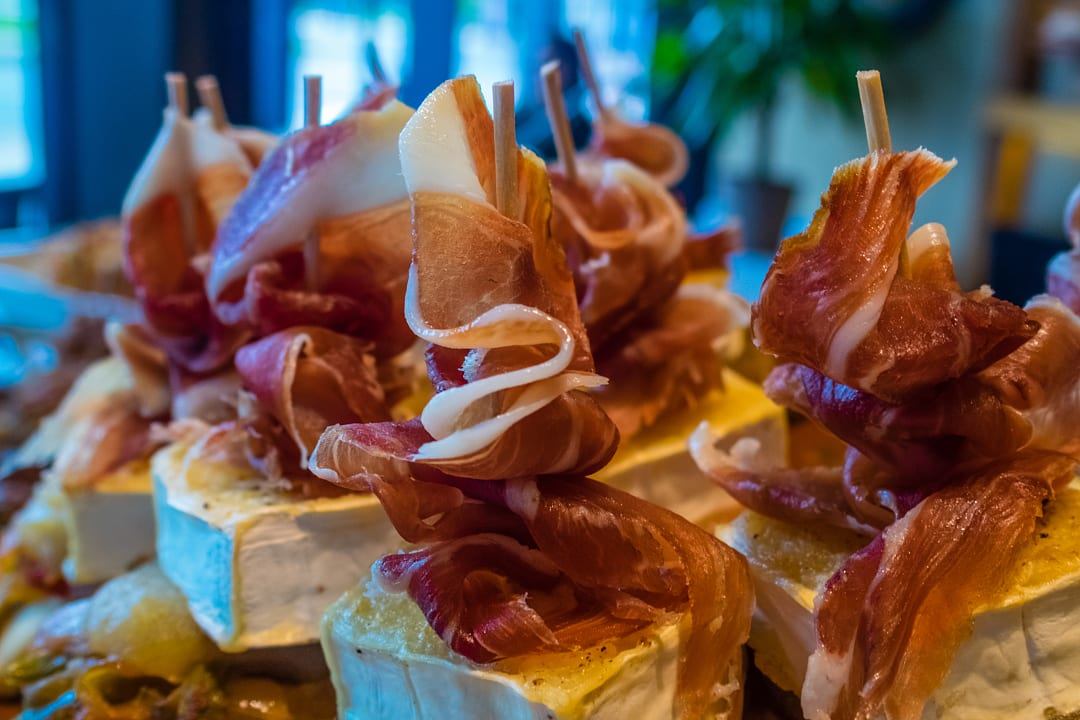
Traditional Basque Pintxos, made with ham and cheese.

The late dinner hour in Spain is an invitation to extend the day's joys. This is the hour when Spanish life is at its most vibrant, with high-end gastronomy and historic atmospheres combining. Luxury here is defined by quality and the ability to move between diverse culinary environments in a single evening.

  • Snacking Languages: Explore the contrast between Basque pintxos and Andalusian tapas, enjoying Michelin-level flavors in bite-sized portions.
  • The Late-Night Gradient: Accept the late hour to dine when the kitchen is in full swing and the restaurant’s energy is at its peak.
  • Everyday Excellence: Enjoy the privilege of hopping between a historic tavern and a contemporary wine bar, where quality is the constant.
  • Inclusive Atmosphere: Experience the relaxed nature of late-night dining where children are welcomed as fellow travelers into the night’s events.
  • Seated vs. Standing: Choose your energy—the high-thrill pulse of a crowded bar or the quiet luxury of a seated terrace watching the world go by.

Highlights:

  • A culinary adventure through diverse, bite-sized regional specialities.
  • Curating your energy levels between immersive bars and comfortable terraces.
  • Dining at the peak of a restaurant's atmosphere and kitchen performance.
  • Accessible excellence where luxury is defined by ingredient quality over formality.
  • Inclusive, stress-free dining that incorporates the whole family.

Navigate tapas culture from San Sebastián pintxos to Andalusian bar-hopping on our sample Northern Spain Food Tour, which you can tailor to your pace and style.

Family Life After Dark

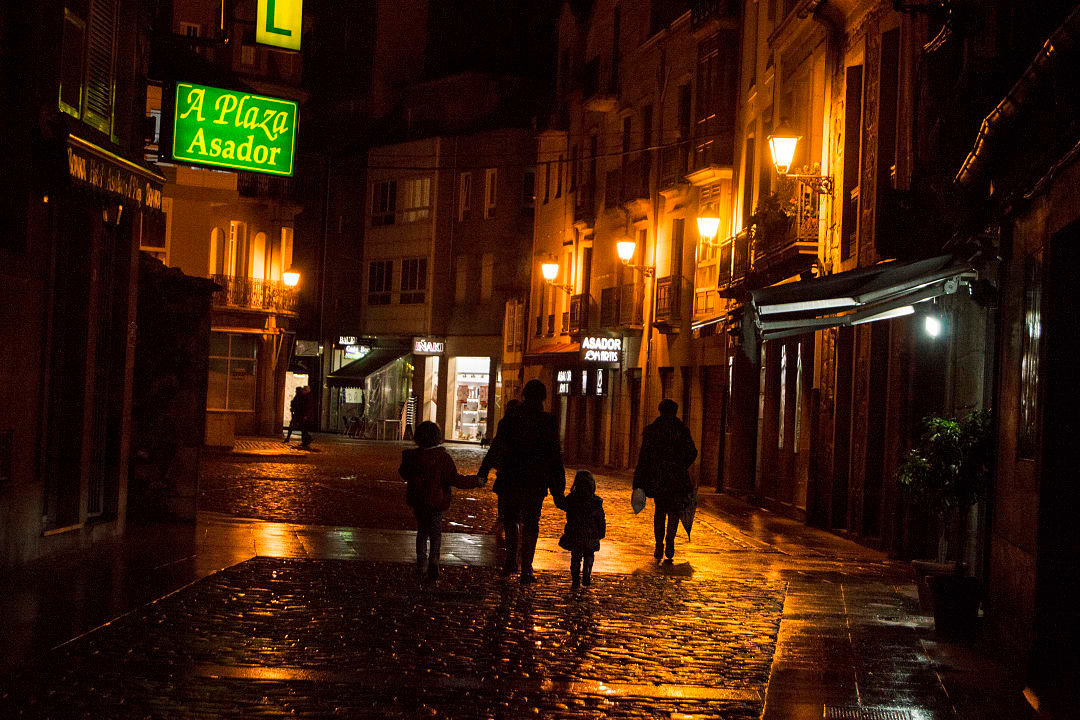
Family walking together at night, Spain.

The Spanish approach to family time after dark offers a liberating alternative to rigid bedtimes. It frames the evening as a time for shared joy rather than separation. For travelers, this means the luxury of flexibility, allowing you and your children to experience the culture together without compromise.

  • Plazas as Living Rooms: Viewing the plaza as an extension of the home, where children play freely while adults socialize nearby.
  • Flexible Routines: Adopting a schedule that prioritizes memory-making and cultural immersion over strict clock-watching.
  • Community Oversight: Relaxing in the knowledge that public spaces are communal, watchful, and deeply family-oriented.
  • The Luxury of Choice: Moving between the high energy of a central plaza and the tranquil silence of a nearby side street.
  • Integrated Travel: Validating children as fellow travelers by incorporating them into the sophisticated evening landscape.

Highlights:

  • The freedom to enjoy late-night concerts or festivals as a complete family unit.
  • A reduction in travel stress by following the local, flexible approach to schedules.
  • A sense of security fostered by the communal nature of Spanish public life.
  • Bespoke evening experiences that balance adult leisure with family engagement.
  • The enriching experience of shared family meals during the city’s most vibrant hours.

Discover how naturally Spain welcomes children on our sample Spain family vacations and tours.

Festivals, Work, and a Changing Clock

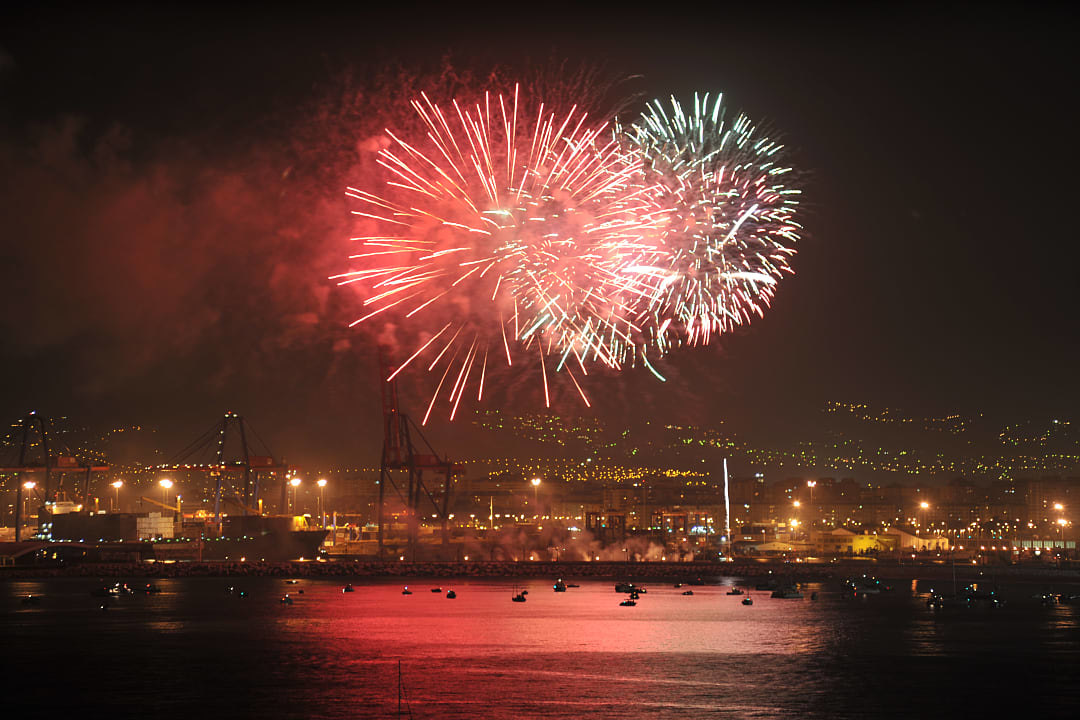
A firework show to kickstart the August fiestas in Malaga, Spain.

Spain’s dynamic relationship with time, heavily influenced by its festivals and evolving work culture, offers a fascinating backdrop for travel. Witnessing this balance between tradition and modernity adds intellectual depth to your journey, showing how a culture adapts while holding on to what matters most.

  • Fiestas as Routine Disruptors: Abandoning your plans to be swept up in a collective, exhilarating cultural celebration.
  • Regional Pacing Calendars: Tailoring your trip's emotional tempo by choosing between high-energy festivals or quiet northern retreats.
  • Insight into Modern Life: Observing the shift in modern work hours to understand the contemporary reality of the Spanish people.
  • Intentionality of Lifestyle: Understanding that late nights and long lunches are deliberate choices made to preserve a specific quality of life.
  • The Best of Both Worlds: Leveraging modern conveniences while diving deep into the preserved traditions of the interior.

Highlights:

  • Unscripted cultural immersion during world-famous regional festivals.
  • A customized emotional tempo for your journey based on regional calendars.
  • Intellectual depth gained by observing the negotiation between tradition and modern pressure.
  • Access to modern efficiency without sacrificing deep cultural discovery.
  • Participating in a lifestyle that fiercely protects time for family and community.

Time your visit to coincide with Spain’s quieter shoulder seasons or its great celebrations, such as Las Fallas in Valencia, which takes place in March. For more inspiration on visiting Spain at this time of year, see our sample Spain vacations in March.

Regional Nuance

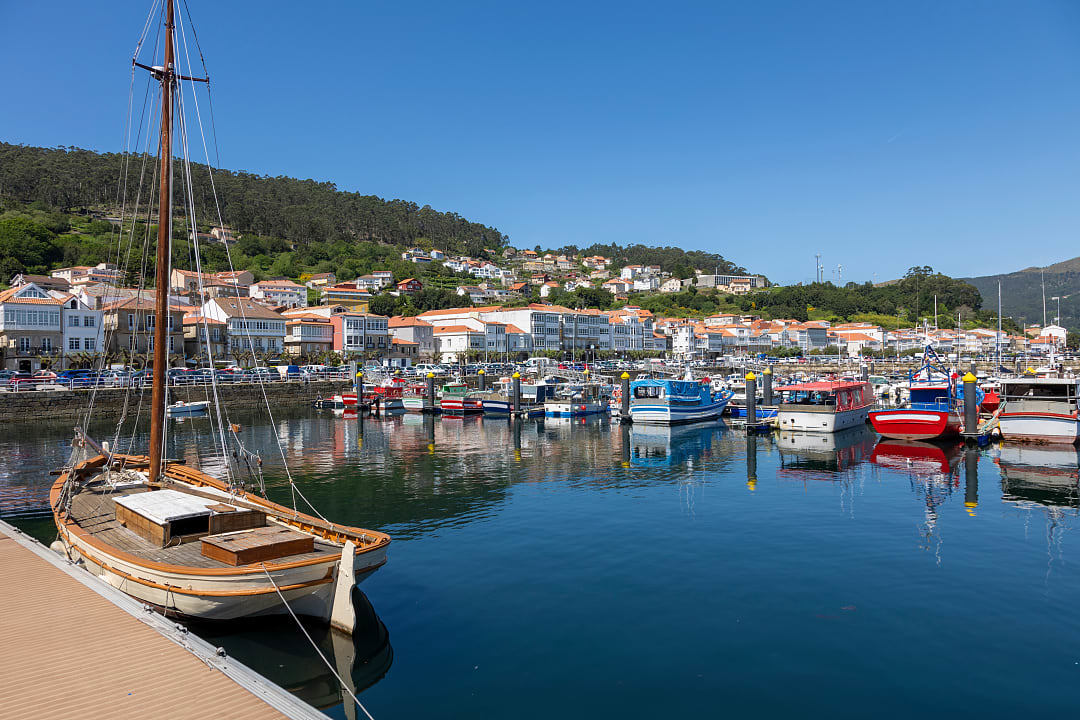
A quiet Galician harbor, featuring some fishing boats and white houses with tiled roofs.

Spain operates on several distinct clocks. While a national framework exists, the application of that time changes based on whether you are in the industrial, European-facing northeast or the sun-drenched, tradition-steeped south.

Barcelona vs Galicia

In Barcelona, the schedule reflects the city’s status as a global business hub. You will find an "urban shift" that leans toward European efficiency; the midday break is often shorter and the morning begins with a purposeful energy. Conversely, in Galicia, the clock is dictated by the Atlantic. Because the region is geographically further west, but shares the same time zone as the rest of the country, the sun rises and sets much later. This creates a natural delay in the day where mornings start in a misty, unhurried calm, and the late-night meal feels like a logical conclusion to a day where the sun is still visible at 10pm.

San Sebastián vs. Marbella

In San Sebastián, the schedule is a matter of professional pride. The pintxos bars operate with a clockwork-like precision; there is a specific window for the pre-lunch snack and a definitive moment when the bars reset for evening service. It is a structured indulgence. In Marbella and the wider Costa del Sol, the clock is far more elastic. The heat of the Mediterranean summer necessitates a long, languid midday stretch that can last well into the evening, with the only deadline being the cooling of the evening air for the paseo.

Madrid vs The Pueblos Blancos

In Madrid, the midday pause is a social theater. It is not about sleep, but about the transition from the office to the terraza. The city doesn't go quiet; it simply moves outside. In the White Villages (Pueblos Blancos) of Andalusia, the silence is literal. Because the narrow, whitewashed streets are designed to trap cool air, the village becomes a vacuum during the afternoon. The luxury in the city is the lively social pivot; the luxury in the village is the absolute, heavy stillness that allows for total physical restoration.

Why the Clock Varies

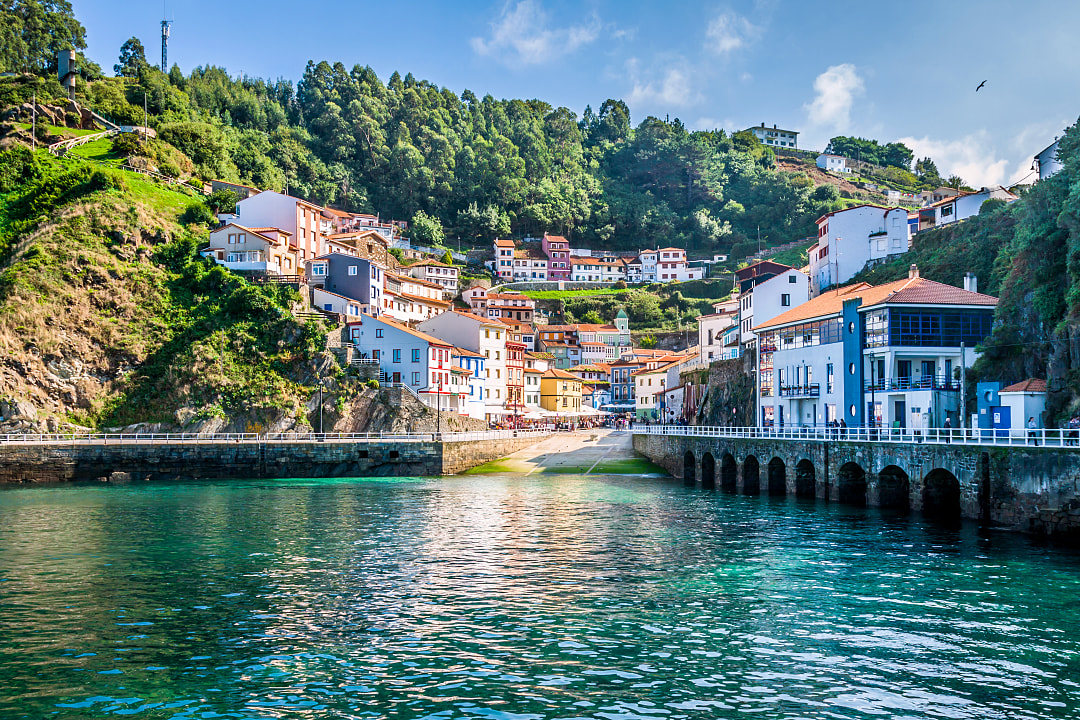
The village of Asturias, Spain.

If these regional differences seem subtle, it is because they are rooted in two factors: geography and industry.

  • The East-West Lag: Because Spain sits in a time zone further east than its longitude suggests, the "late" hours are actually a biological necessity. In western regions like Extremadura, eating at 10pm aligns with the position of the sun.
  • The North-South Thermal Divide: In the north, in places like Asturias and Cantabria, the cooler, rainier climate means the midday pause is often shorter and life moves indoors earlier. In regions like Murcia and Andalusia in the south, the sun is the primary architect of the schedule, forcing a late-night culture because the afternoon is simply too intense for public life.
  • The Metropolitan Compression: In larger cities like Valencia or Bilbao, modern work culture has compressed the traditional three-hour lunch into a more "European" 90 minutes, though the late-night dinner remains a non-negotiable cultural anchor.

Experience the Patterns of Spain

The Pedro Romero Festival, Andalusia, Spain.

Adapting to Spain’s varied tempos is about learning to read the cues of each region. At Zicasso, our travel specialists adjust your days not only for the heat and opening hours, but also for the subtle habits of each neighborhood, whether that means earlier dinners in the Atlantic North, long festival nights in the Mediterranean South, or the quiet, guarded routines of the rural interior. With their guidance, you experience Spain as a participant rather than a visitor.

For more inspiration, take a look at our Spain tours and vacations. Zicasso’s Spain travel guide has all the information you need to plan a trip to this wonderful country.

30,000+ Verified Traveler Reviews