Croatia vs Greece: Where Should I Travel?

A woman admires Santorini’s breathtaking caldera and deep blue Aegean Sea.

Santorini, Greece

Croatia and Greece paint vivid portraits of Mediterranean splendor, each offering a fascinating blend of ancient heritage and coastal beauty. Greece’s classical ruins and mythological landscapes will inspire the historian in you, while Croatia’s Venetian palaces and crystalline waters will open your eyes to unrivaled beauty. Both destinations are filled with centuries-old traditions, yet they reveal their stories in distinctive ways.

Each approaches luxury travel differently, from boutique hotels in restored Venetian palaces to exclusive Greek island resorts, and their experiences range from truffle hunting in Istria's oak forests to sailing between the Cyclades at sunset.

Extraordinary travel begins with a human touch. Our destination specialists design every journey with care, insight, and personal attention. From Greece's ancient temples and whitewashed islands to Croatia's medieval towns and emerald archipelagos, use the following information as a guide to discover India or Nepal before connecting with our travel experts to help you plan your trip.

Where is Croatia?

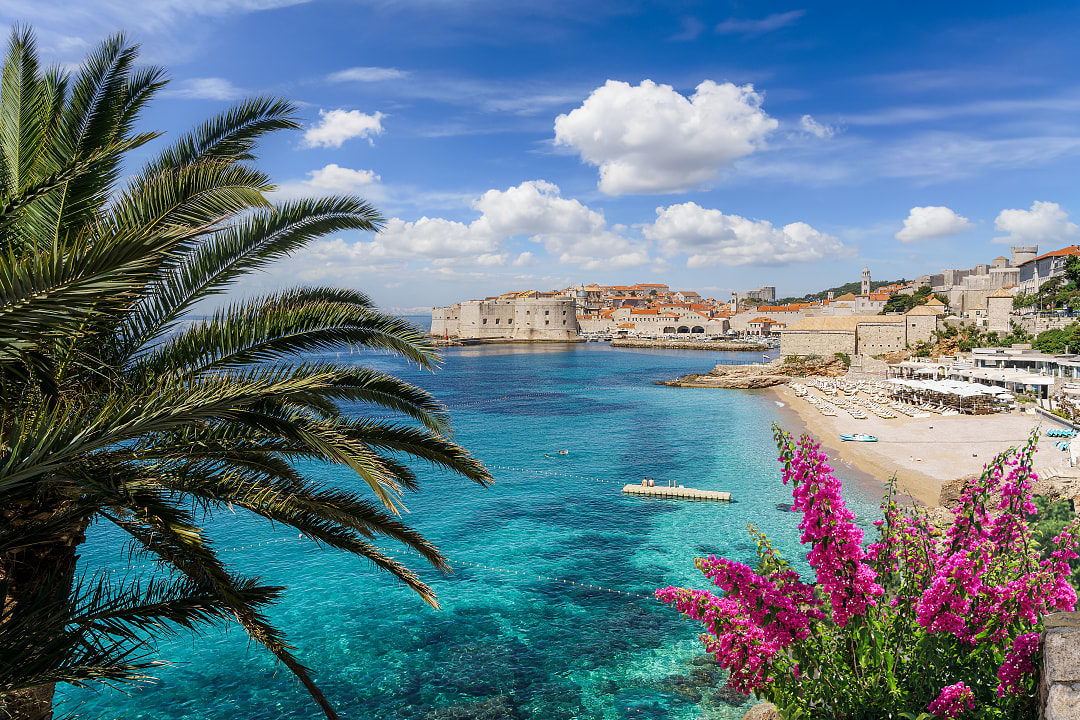
Banje Beach offers stunning Dubrovnik views and crystal-clear Adriatic waters.
Banje Beach in Dubrovnik, Croatia

Croatia stretches along the Adriatic Sea's eastern shore, where the Balkans meet Central Europe. It shares borders with Slovenia, Hungary, Serbia, Bosnia and Herzegovina, and Montenegro, making it a crossroads of cultures for millennia. This is visible in everything from its architecture to its cuisine.

The country's geography stretches from the Dalmatian Coast and over 1,000 islands dot the azure waters. Inland, the Dinaric Alps give way to the rolling hills of Slavonia and the Istrian Peninsula showcases truffle-rich forests and vineyard-covered slopes. This remarkable diversity shapes Croatia's distinct regions, from the Italian-influenced Istria to the sun-drenched coast.

Where is Greece?

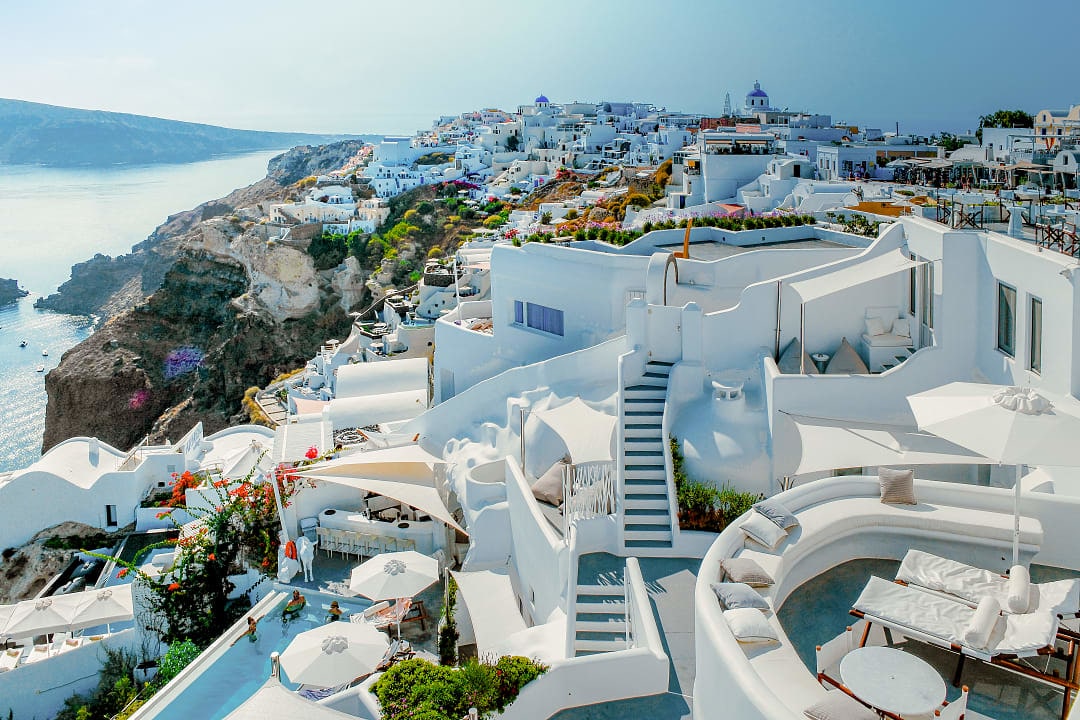
Oia’s whitewashed buildings overlook the Aegean Sea’s breathtaking blue waters.
Oia in Santorini, Greece

Greece commands the southern tip of the Balkan Peninsula and extends into the Mediterranean, where Europe's cultural roots took hold. Surrounded by the Aegean, Ionian, and Mediterranean Seas, its position has influenced Western civilization for millennia and its azure waters are dotted with thousands of islands.

The Greek landscape tells stories of gods and mortals. Dramatic mountains that were once thought to be the home of Zeus descend to sun-bleached coastlines. The mainland presents olive groves, vineyards, and ancient ruins, and its archipelagos scatter like precious stones across the sea. From the rugged peaks of Meteora to the volcanic calderas of Santorini, each region writes its own chapter in the epic of Greek natural beauty.

What are the Similarities Between Greece and Croatia?

Traditional Greek moussaka with béchamel, served alongside salad and wine.
Traditional Greek Moussaka

Croatia and Greece are instantly familiar to travelers who have visited the Mediterranean. The days are filled with sunshine, sea views, and lingering meals shared with family and friends. Both countries weave ancient history into daily life, from seaside promenades lined with Roman ruins to village squares that are still the social hearts of each community. Moving between coastal towns, island harbors, and countryside vineyards, you will come across a shared devotion to hospitality, seasonal cuisine, and a lifestyle that invites you to slow down and savor every moment.

  • Mediterranean lifestyle: Emphasis on family, community gatherings, and relaxed days that flow from the beach to the town square.
  • Culinary traditions: Fresh seafood, olive oil, and local wines shape long, social meals that feel more like celebrations than simple dinners.
  • Ancient legacies: Greek colonies, Roman settlements, and Byzantine influence appear in everything from archaeological sites to church domes.
  • UNESCO treasures: Iconic places like Diocletian’s Palace in Split and fortified medieval towns in Greece highlight their shared heritage.
  • Stone-squared living: Limestone-paved plazas, from Luža Square in Dubrovnik to Syntagma Square in Athens, are central to everyday life.

What are the Differences Between Croatia and Greece?

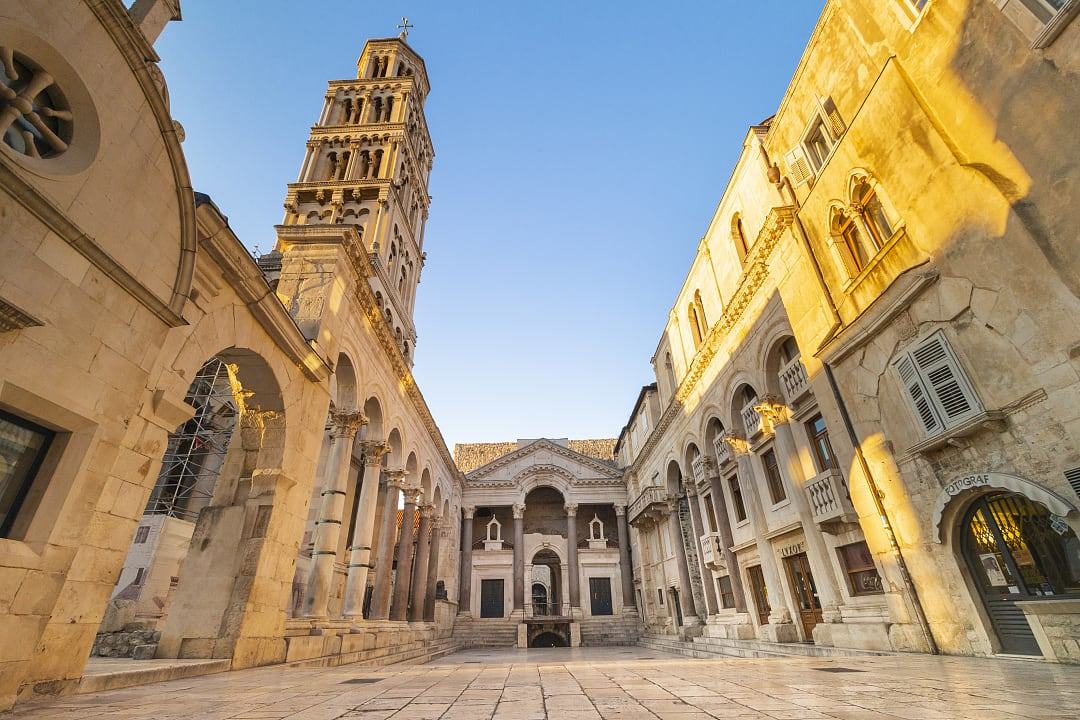
Diocletian's Palace in Split showcases stunning Roman architecture and historical grandeur.
Diocletian's Palace in Split, Croatia

Croatia and Greece share a Mediterranean soul, but reveal their characters in distinct ways through architecture and artistic heritage. Greece often feels shaped by its islands and ancient myths, whereas Croatia reflects a crossroads between Central Europe and the Adriatic, with Venetian elegance and Austro-Hungarian refinement. From temple-lined hilltops to eclectic coastal palaces, each country offers a different take on history, culture, and contemporary life.

  • Daily life: Greek summers still embrace afternoon siestas, while Croatia follows a more Central European schedule in cities and along the coast.
  • Classical focus: Greece centers on classical temples and Byzantine churches, with iconic landmarks like the Parthenon and Hosios Loukas.
  • Eclectic Croatia: Croatia has a mix of Roman, Venetian, and Austro-Hungarian elements, especially in places like Split’s Diocletian’s Palace.
  • Artistic emphasis: Greek art leans into Classical and Byzantine themes, while Croatian art spans Roman mosaics to modern works like Zadar’s Sea Organ.
  • Cultural ambiance: Greece evokes myth and ritual at every turn; Croatia often feels like a mix of empires along the Adriatic.

The Definition of Luxury: Value, Time, and Seamlessness

Friends enjoy a private yacht in Greece

Luxury today is about how intelligently a destination uses your most finite resource: time. In Croatia and Greece, that luxury unfolds differently, whether you prefer to move swiftly through varied landscapes or sink deeply into a single place.

Croatia: The Luxury of Precision

In Croatia, luxury reveals itself in the efficiency of exploration. Its compact geography and excellent coastal connections mean you can spend your morning tracing truffle-scented trails in Istria’s oak forests, then board a private yacht for a sunset cruise through the Kornati islands the very same evening, without feeling as though you have raced the clock.

  • High Tempo: Days follow a high-energy yet unhurried pace, pairing sunrise walks along Dubrovnik’s walls with afternoon swims off Hvar or Korčula. This way, each hour feels deliberately and rewardingly filled.
  • Short Transfers: Thoughtfully planned routes link Istrian hill towns, Dalmatian islands, and medieval ports with relatively brief drives or boat rides, minimizing downtime and maximizing what you see and do.
  • Layered Experiences: A single day can blend truffle hunting, a winery lunch on the Pelješac Peninsula, and a private cove for late-afternoon sailing, creating a sense of value through the variety you comfortably fit in.
  • Effortless Flow: Private drivers, scheduled boats, and well-timed departures allow you to move from town to town and island to island without noticing the logistics, so the journey feels fluid instead of fragmented.
  • Visible Return: If you measure luxury by how much meaning and memory you can fit into each day, Croatia offers a clear “return” on time: every transfer, tasting, and viewpoint adds tangible texture to the story of your trip.

Greece: The Luxury of Depth

Greece reimagines luxury as the art of lingering. Rather than hopping quickly between islands, you might spend three or four nights in a single Cycladic village, letting your days stretch from slow mornings on the terrace to unhurried strolls through markets perfumed with oregano, figs, and freshly baked bread.

  • Slow Stays: Staying several nights on one island, perhaps in Santorini, Paros, or Naxos, lets you slip into the local pace, trading constant check-ins and ferries for the ease of unpacking once and truly settling in.
  • Everyday Rituals: Luxury comes through repetition: returning to the same café where the owner remembers your preferred table, revisiting a favorite beach at different times of day, and watching sunset from “your” spot as if it were a ritual.
  • Ancestral Echoes: Temple ruins on the horizon, village chapels, and stories shared over grilled fish and local wine infuse daily moments with myth and memory, making each stroll or meal feel layered with history.
  • Unscripted Time: Days leave room for spontaneous choices like lingering in a market, adding an impromptu boat ride, or following live music into a harbor square, so the most memorable experiences often arrive unplanned.
  • Emotional Resonance: If you equate luxury with feeling rather than pace, Greece offers the space to breathe, connect, and grow attached to a single island or village until it feels less like a stop and more like a temporary home.

Does Croatia or Greece Have Better Islands?

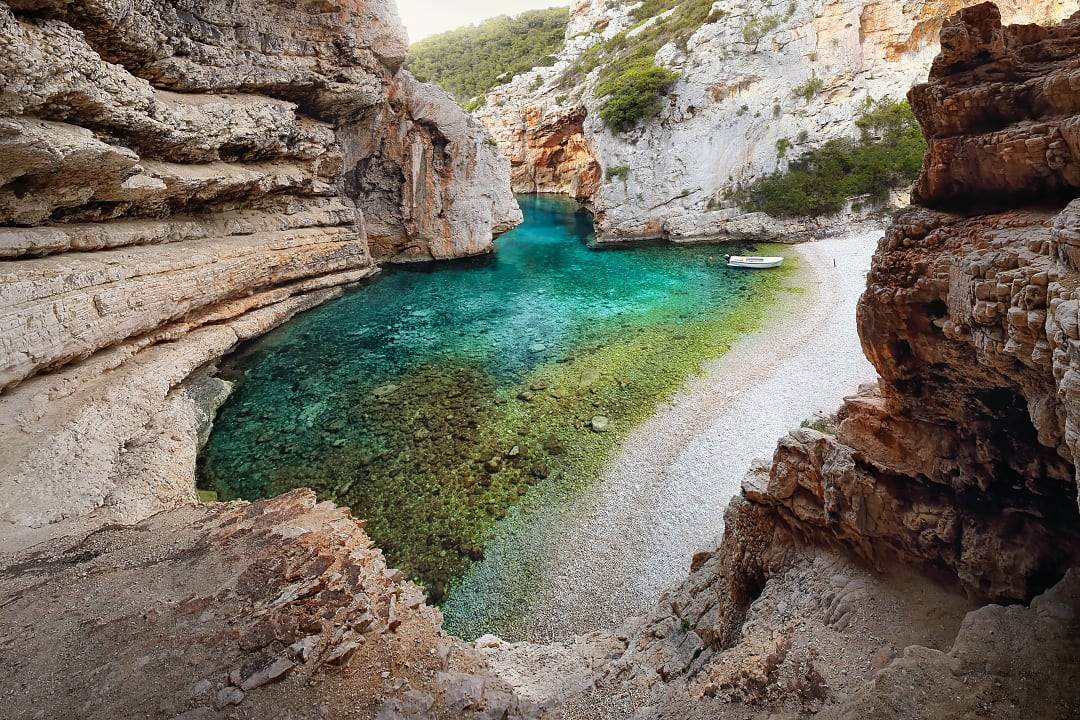
Stiniva Beach on Vis Island features a stunning secluded cove.
Stiniva Beach in Vis, Croatia

Croatia and Greece offer island experiences that feel worlds apart, even as they share crystalline seas and sun-drenched harbors. Croatia’s islands lean toward intimate coves, medieval villages, and transparent waters perfect for swimming and boating, while Greece’s archipelagos span everything from volcanic cliffs to lush, Italian-influenced coastlines. Choosing between them often comes down to whether you dream of quiet bays and historic ports or iconic whitewashed towns cascading toward the sea.

  • Dalmatian charm: Croatian islands like Hvar and Vis pair lavender fields and medieval streets with tucked-away beaches.
  • Iconic Cyclades: Greek islands such as Santorini and Milos showcase whitewashed villages, volcanic cliffs, and dramatic sea views.
  • Intimate coves: Croatia offers quieter bays and secret beaches, ideal for private swims and boat explorations.
  • Diverse archipelagos: Greece features varied island groups, from the Cyclades to the Ionian and Dodecanese, each with a distinct identity.
  • Experience focus: Croatia excels in relaxed, under-the-radar escapes, while Greece delivers postcard-perfect vistas and deep mythological context.

For Croatian island inspiration, see our sample Croatian Island-Hopping Itinerary: Croatia's Finest Locales. For Greece, explore our customizable Ultimate Three-Week Greek Island Vacation.

Does Croatia or Greece Have Better National Parks?

A family hikes through Mount Olympus National Park’s lush green trails.
Family Hiking in Mount Olympus National Park, Greece

Croatia and Greece reveal a wilder side far beyond their beaches. Their national parks protect waterfalls, mountains, and landscapes steeped in legend. Croatia’s parks will captivate you with turquoise lakes, wooden walkways, and island-dotted seascapes, while Greece balances dramatic gorges and alpine peaks with storied sites tied to the gods. Your ideal destination depends on whether you are interested in water-filled wonder or mountainous terrain layered with mythology.

  • Watery expanses: Croatia’s Plitvice Lakes and Krka National Park feature cascades, lakes, and scenic walking paths.
  • Mythic mountains: Greece’s Mount Olympus and its surrounding landscapes link rugged trails to ancient legends.
  • Island seascapes: Kornati National Park in Croatia protects a maze of islands, reefs, and cliffs perfect for boating.
  • Gorge adventures: Greece’s Samaria Gorge and other canyons invite long private hikes through dramatic scenery.
  • Interest-driven choice: Croatia excels in accessible water landscapes, while Greece pairs natural beauty with ancient and mythological context.

What Are the Top Activities in Croatia?

Kayakers paddle along Dubrovnik’s historic walls, exploring the stunning coastline.
Kayaking in Dubrovnik, Croatia

In Croatia, experience history, coastline, and cuisine in ways that feel immersive yet delightfully relaxed. You might walk under medieval stone walls one moment and sail past lavender-covered hills the next, breaking only to taste fresh seafood paired with local wines. Inland, truffle forests and vineyard-draped hills add a gourmet dimension to your coastal adventures.

  • Coastal discovery: Stroll Dubrovnik’s walls, then kayak beneath them as the sunset lights up the Adriatic.
  • Living history: Wander Split’s Diocletian’s Palace, where Roman arches now hide boutiques, cafés, and wine bars.
  • Island sailing: Cruise between Hvar, Korčula, and Vis, stopping to swim in secluded bays and dine in traditional konobas.
  • Gourmet Istria: Hunt for truffles in oak forests before tasting regional wines in family-run cellars.
  • Cultural cities: Explore Zagreb’s museums, café culture, and nearby nature, including day trips to Plitvice Lakes.

For more information, see our Top Things to Do in Croatia.

What Are the Top Activities in Greece?

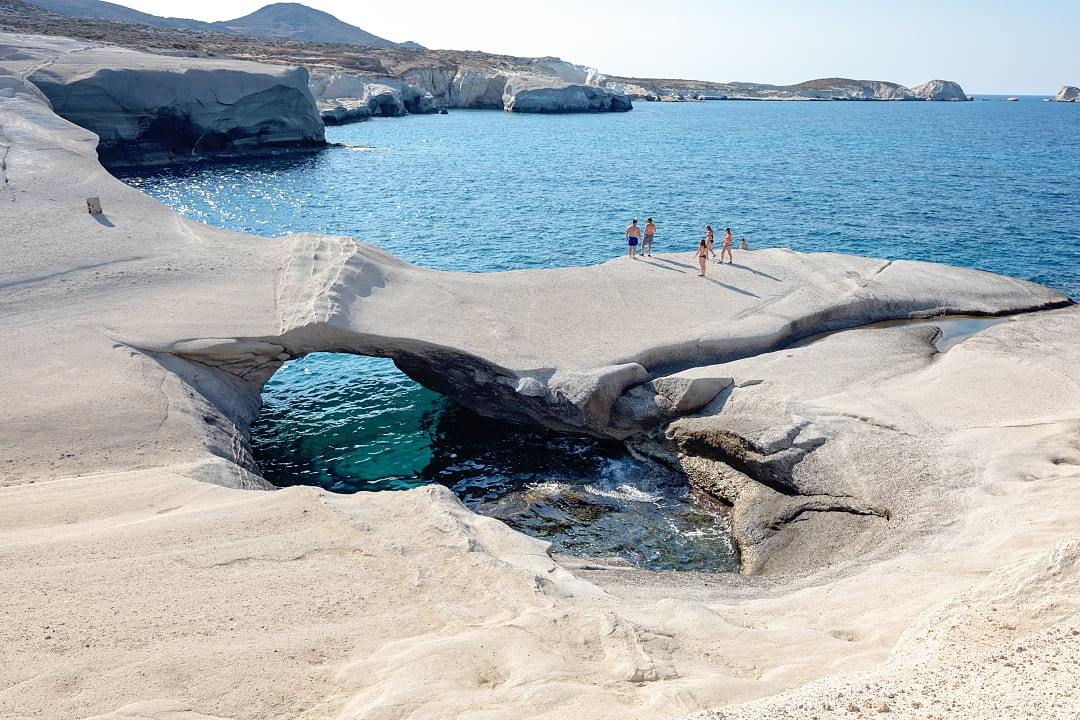
White volcanic cliffs of Milos contrast beautifully with the deep blue sea.
Sarakiniko Beach in Milos, Greece

Greece will shroud you in history, vibrant urban life, and island landscapes that feel almost theatrical in their drama. You can stand atop the Acropolis at sunrise, sail between volcanic islands at midday, then dine on regional specialties in a seaside taverna by night. Throughout, living traditions in food, music, and village life keep the country’s ancient stories feeling very much alive.

  • Ancient icons: Visit the Acropolis and Delphi, where ruins sit amid sweeping views of olive groves and mountains.
  • Island cruising: Sail the Cyclades or other island groups, pairing volcanic wines and beaches with charming harbors.
  • Northern flavor: Experience Thessaloniki’s blend of Byzantine churches, waterfront promenades, and modern food culture.
  • Monastery hikes: Trek between Meteora’s cliff-top monasteries or explore Crete’s mountain villages and Minoan sites.
  • Hands-on culture: Join a private cooking class on a Greek island, dive near historic shipwrecks, or hike gorges like Vikos in Epirus.

For a comprehensive experience, take a look at our customizable Three Weeks of Family Fun in the Gorgeous Greek Islands.

Is it Easier to Travel to Croatia or Greece from the US?

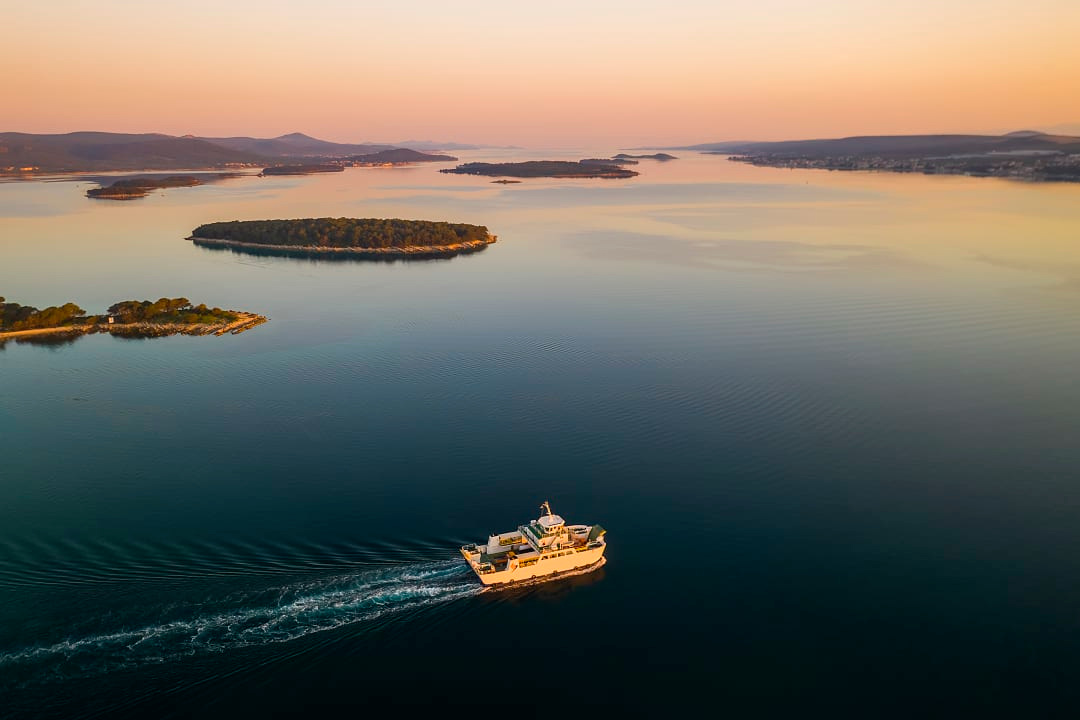
A ferry glides through Dalmatia’s calm waters, surrounded by stunning islands.
Ferry Crossing the Adriatic in Dalmatia, Croatia

Greece offers more direct flights from major US cities to Athens. Croatia's primary airports in Zagreb and Dubrovnik have fewer direct connections, but service is expanding. Both countries maintain good internal transportation networks, with Greece's extensive ferry system providing comprehensive island connections and Croatia's coastal ferries linking its main islands efficiently.

Choose Croatia For:

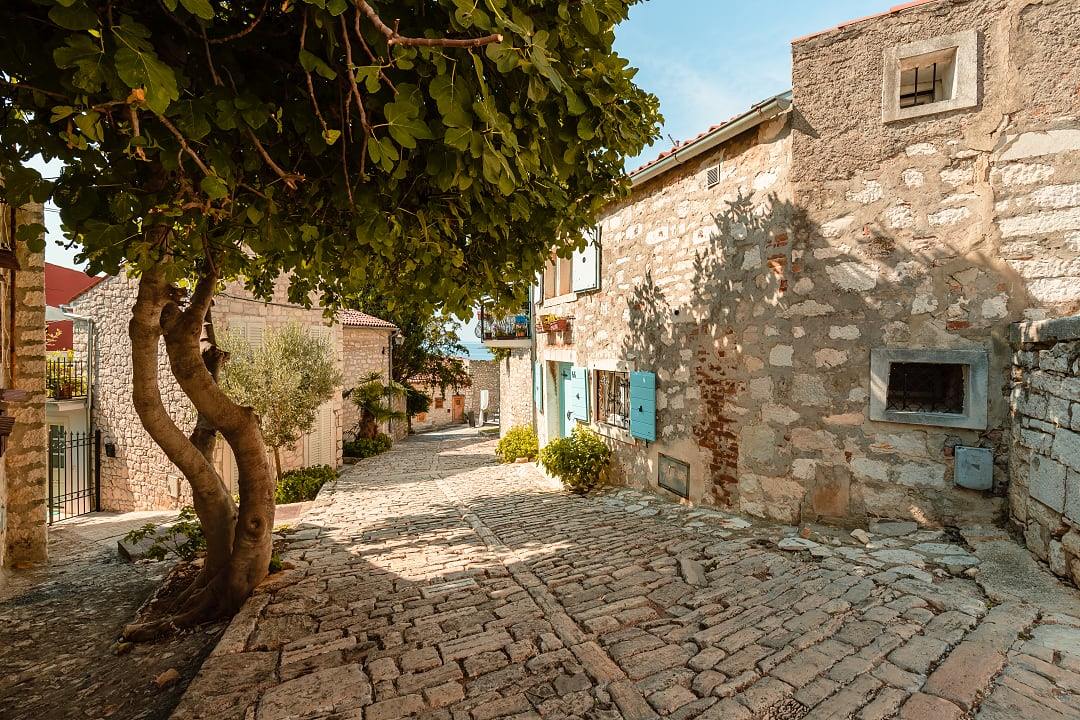
The medieval village in Rovinj, Croatia, features charming stone streets and houses.
Medieval Village in Rovinj, Croatia
  • Crystal-clear waters and intimate beaches
  • Venetian and Roman architectural heritage
  • Emerging wine and truffle gastronomy
  • Medieval coastal cities
  • Island-hopping in clearer, calmer waters
  • Growing luxury travel scene
  • More affordable luxury experiences

Croatia’s pristine waters, medieval towns, and emerging culinary scene are all yours to enjoy on a Croatia tour that our travel specialists are ready to help you design.

Choose Greece For:

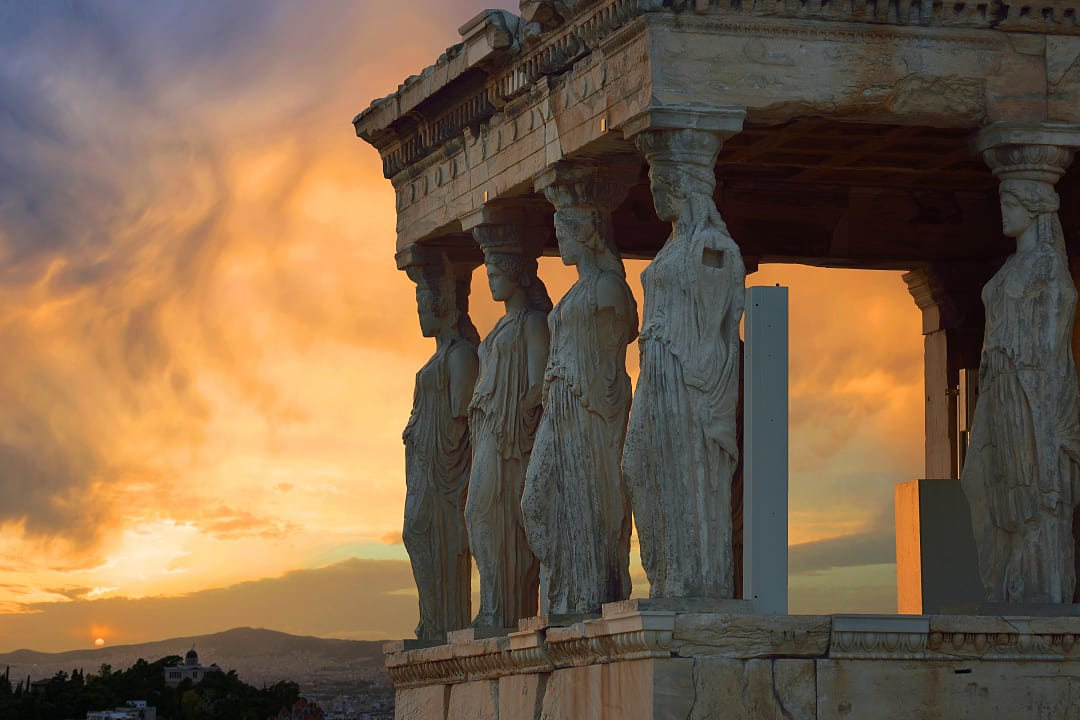
The Caryatids of the Erechtheion stand gracefully on Athens' Acropolis at sunset.
The Caryatids of the Erechtheion on Acropolis in Athens, Greece
  • Iconic ancient ruins and mythology
  • Traditional Mediterranean cuisine
  • Diverse island experiences
  • Classical art and architecture
  • Traditional village life
  • Volcanic landscapes
  • Established luxury infrastructure

Explore Greece’s ancient ruins, mythological sites, and iconic islands on a Greece vacation that will introduce you to everything from classical treasures to volcanic vistas and timeless Mediterranean experiences.

Discover More About Croatia and Greece

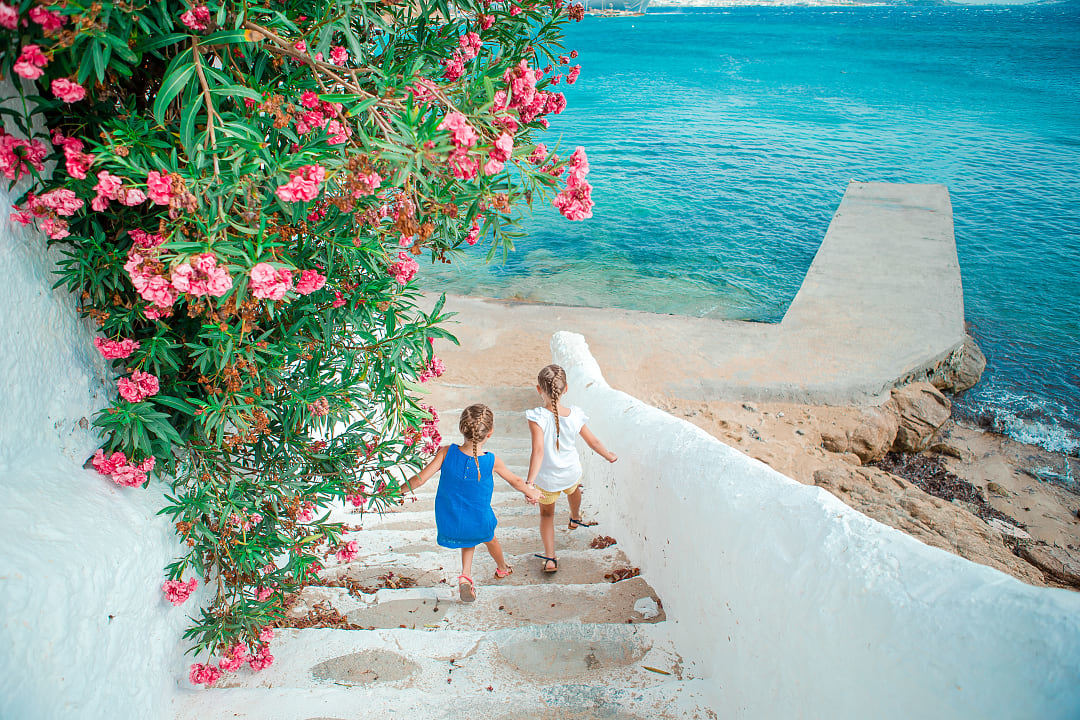
Two children walk down whitewashed steps toward Mykonos' crystal-clear waters.
Mykonos, Greece

Whether you choose Croatia's emerging luxury and crystal waters or Greece's ancient wonders and iconic islands, both countries promise extraordinary Mediterranean experiences. Your decision might depend on whether you seek Croatia's intimate charm and medieval character or Greece's classical grandeur and mythological experiences. Either guarantees unforgettable moments, world-class accommodations, and immersion in some of Europe's most captivating destinations.

For more inspiration and detailed guides on luxury travel experiences to help you decide, explore our Croatia travel guide or our Greece travel guide.

30,000+ Verified Traveler Reviews