Zicasso Value Destinations for 2026

Warsaw Old Town rooftops along the Vistula River

Old Town in Warsaw, Poland

The future of luxury travel lies not in chasing the most expensive destinations, but in discovering where world-class experiences, cultural richness, and seamless infrastructure converge to deliver something far more valuable: time well spent, memories that deepen with age, and the kind of transformative encounters that only access can guarantee.

These 15 destinations represent a sophisticated approach to travel planning in 2026. Each offers exceptional value through immersion that layers multiple encounters into compact timelines, currency dynamics that extend your purchasing power without compromising quality, and logistical efficiency that transforms what could be hours in transit into more time for discovery. From Poland's five-star historical immersion to Sri Lanka's ability to deliver an entire subcontinent's worth of experiences in one seamless journey, these destinations prove that intelligent luxury creates richer stories.

Extraordinary travel begins with a human touch, and our destination specialists design every journey with care, insight, and personal attention. As you consider your 2026 travels, use these destinations as inspiration before connecting with our travel experts to help you craft your most valuable journey yet.

Poland

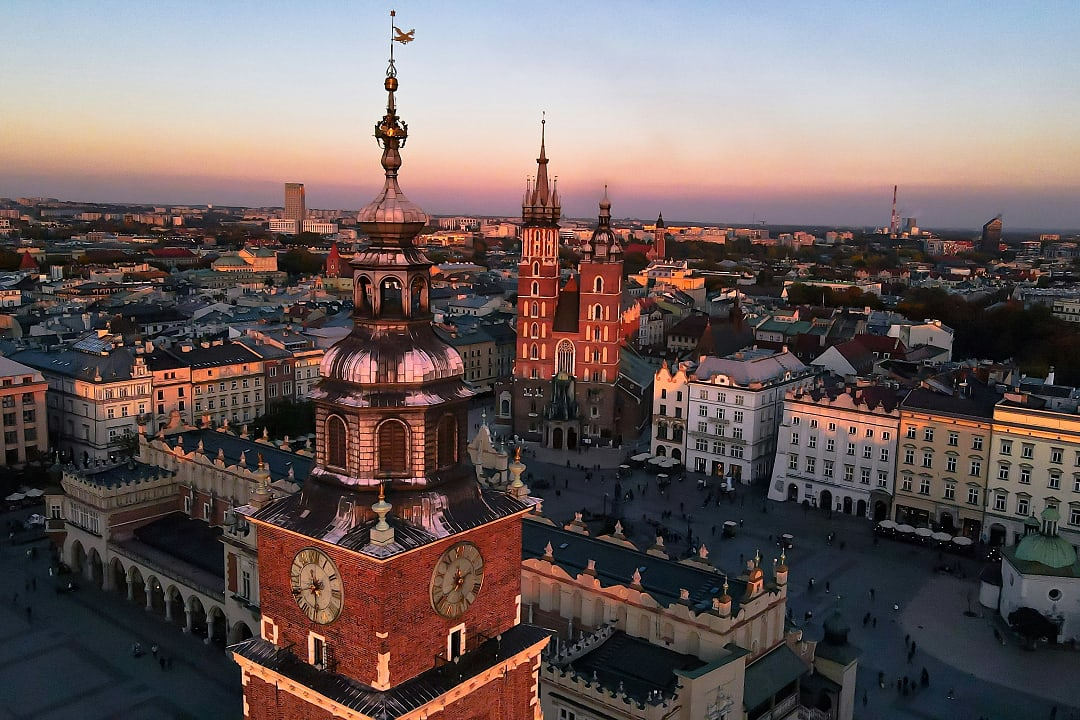
Aerial view of Kraków Main Market Square and St. Mary’s Basilica at sunset, Poland
Main Market Square and St. Mary’s Basilica, Kraków, Poland

Why Poland Is Unmissable

Poland delivers five-star European experiences of imperial history, UNESCO-protected architecture, and culinary prestige at prices 40 to 60 percent below comparable Western European destinations. Krakow and Warsaw offer Habsburg grandeur and cultural sophistication many seek in Vienna or Berlin, yet with rates that allow you to add private guides, book that special restaurant without hesitation, and say yes to spontaneous discoveries. Choosing Poland recognizes that value emerges when exceptional quality meets accessible pricing.

A Journey Through Polish Heritage

Kraków's Main Market Square has anchored Polish life since the 13th century. Gothic St. Mary's Basilica rises on one edge, while Renaissance arcades fill the center with vendors whose ancestors traded here when the square connected East and West. The Jewish Quarter of Kazimierz transforms from memorial to vibrant creative hub, its synagogues and cemeteries honoring those lost, while contemporary galleries, restaurants, and music venues celebrate renewal.

Warsaw tells Poland's story through contrast. Where Krakow preserved its medieval core, Warsaw rebuilt from near-total wartime destruction, reconstructing Baroque facades from archival photographs with such precision that UNESCO recognized the effort as heritage. The city's museums document suffering and the refusal to disappear.

Zakopane nestles at the Tatra Mountains' foot, where Highlander Góral culture maintains traditions of carved wooden architecture, distinctive folk music, and artisanal food production that predate tourism by centuries.

What to Expect

  • Feel the worn cobblestones beneath your feet as you wander Krakow's Old Town at dawn, before tour groups arrive and morning light turns honey-colored buildings golden. The air carries scents of fresh bread from corner bakeries and roasting coffee from cafés where locals linger over newspapers.
  • Descend into Wieliczka Salt Mine's cathedral-like chambers, where chandeliers, altarpiece sculptures, and entire chapels emerge from salt carved by miners across seven centuries. The cool underground air carries a mineral tang, while light filters through translucent walls, casting a glow that shifts as you move through the chambers.
  • Taste contemporary Polish cuisine that honors tradition as it embraces technique. Beetroot-filled pierogi arrive with foam and microgreens, smoked duck breast pairs with fermented plums, and wild mushroom dishes showcase forests central to Polish foodways. Wine lists feature Central European bottles that challenge assumptions about the region's viticulture.
  • Hear Chopin's nocturnes performed in intimate salon settings where the composer once played, the music filling candlelit rooms. In Zakopane, traditional Góral music on stringed instruments accompanies fireside evenings during which smoked Oscypek cheese and mountain vodka warm against alpine cold.

Where to Discover Polish Excellence

  • Krakow Old Town and Wawel Hill: Walk between Main Market Square, medieval gates, and the royal castle complex where Polish kings ruled for centuries, all within a UNESCO-protected core that concentrates your experiences into walkable distances.
  • Wieliczka and Bochnia Salt Mines: Descend into underground worlds where salt mining created subterranean cities, complete with chapels, lakes, and sculpture galleries carved entirely from rock salt.
  • Kazimierz (Jewish Quarter): Explore the transformation from memorial space to creative hub, where synagogues, museums, contemporary galleries, and innovative restaurants honor the past while celebrating renewal.
  • Zakopane and Tatra Mountains: Experience highland culture through distinctive wooden architecture, traditional food, and access to hiking trails and ski slopes in Poland's most dramatic mountain range.
  • Warsaw Old Town and Museums: Witness reconstruction as heritage in the meticulously rebuilt historic center, then gain deeper context through museums documenting Polish history.

Plan your Polish journey with time for morning market visits, afternoon castle explorations, and evenings discovering why Krakow and Warsaw have become culinary destinations in their own right.

Wales

Wildflowers blooming along rugged coastal cliffs in Pembrokeshire, Wales
Pembrokeshire Coast National Park, Pembrokeshire, Wales

Why Wales Is Unmissable

Wales holds one of the world's highest densities of castles, while delivering dramatic coastlines, medieval towns, and Celtic cultural heritage that many seek in Scotland or the English Cotswolds. This comes without the crowds or premium prices. Pembrokeshire's coastal paths trace cliffs where seabirds wheel and hidden coves invite spontaneous swims, while Conwy and Caernarfon's UNESCO-listed fortresses rise directly from harbor walls. Experiencing Wales as living culture means the Welsh language still fills village pubs and traditional music sessions take place because locals enjoy them.

A Journey Through Welsh Fortification

Edward I's 13th-century "Iron Ring" of coastal fortresses, Conwy, Caernarfon, Beaumaris, and Harlech, represents medieval military architecture at its most sophisticated. Conwy's town walls still encircle the medieval settlement completely, allowing you to walk ramparts where defenders once stood watch. Pembrokeshire's Iron Age forts and Norman castles layer earlier defensive histories onto landscapes where coastline meets pastoral interior. At Castell Henllys, reconstructed roundhouses demonstrate how Iron Age communities lived 2,000 years ago.

What to Expect

  • Feel salt-laden wind on your face as you walk clifftop paths where grass meets sky and sea. The Pembrokeshire Coast Path traces 186 miles, but even short sections deliver the essential experience: the cry of gulls, the crash of waves against rocks below, and the sense of standing where land and ocean meet.
  • Taste Welsh lamb raised on coastal grasslands where sea spray seasons the pasture, creating meat with a distinctive flavor. In village pubs, locally caught fish arrives grilled simply with butter and lemon, accompanied by bread baked that morning and Welsh butter whose richness reflects generations of dairy farming.
  • Hear Welsh spoken as the first language in villages where road signs appear in English and Cymraeg, the melodic Celtic tongue that has survived where most other Celtic languages have retreated. In coastal pubs, traditional music gatherings bring out fiddles, accordions, and voices for songs whose melodies predate English rule.
  • See morning mist rising from valleys between mountains, afternoon sun illuminating castle walls against storm-dark skies, and twilight turning coastal waters from blue to silver to the deepest purple.

Where to Experience Welsh Authenticity

  • Pembrokeshire Coast: Walk sections of the coastal path connecting beaches, clifftop viewpoints, and coastal villages, experiencing Wales's Atlantic edge without crowds that challenge more famous UK destinations.
  • Conwy Castle and Town Walls: Explore one of Europe's most complete walled medieval towns, where castle and defensive walls survive largely intact from the 13th century.
  • Caernarfon Castle: Tour the fortress where English princes of Wales have been invested since 1301, its polygonal towers and color-banded masonry designed to evoke Constantinople.
  • Snowdonia National Park: Hike mountains, visit slate mining heritage sites, and explore valleys where Welsh culture maintained itself through geographic isolation.
  • St. Davids: Discover Britain's smallest city, home to a medieval cathedral and gateway to the rugged coastline where pilgrimage routes once brought medieval travelers.

Design your Welsh escape with a coastal base property that allows daily walks, castle explorations, and village evenings where you become a temporary local rather than a passing tourist.

Hungary

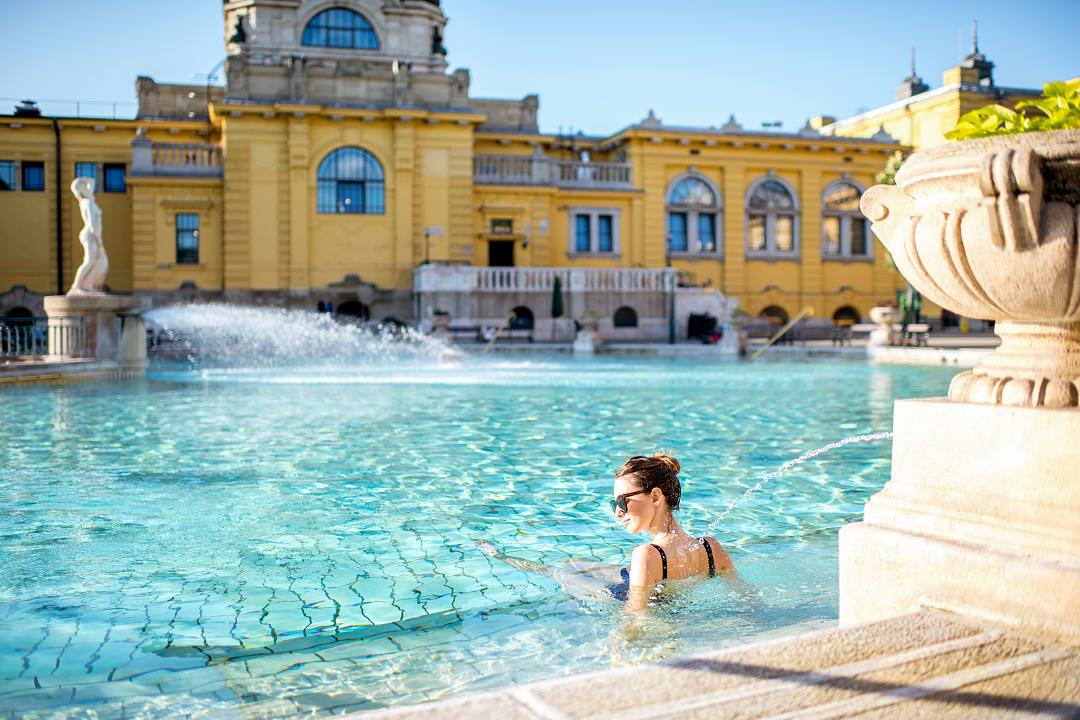
Woman relaxing in the outdoor pool at Széchenyi Thermal Bath in Budapest, Hungary
Széchenyi Thermal Bath in Budapest, Hungary

Why Hungary Is Unmissable

Budapest delivers the grand European experience of riverside palaces, historic thermal baths, intellectual coffeehouses, and museums at prices significantly below Paris or Vienna. The city's thermal culture alone justifies your journey: Széchenyi Baths' vast outdoor pools where locals play chess on floating boards, Rudas Baths' Ottoman-era domes creating cathedral-like spaces, and contemporary spa facilities in luxury hotels along the Danube. You can afford to linger in Hungary, taking multiple spa sessions, attending evening concerts in palace salons, and dining at restaurants where exceptional food and wine come without the premium that fame imposes on other destinations.

A Journey Through Budapest's Layers

Budapest emerged from the 1873 unification of Buda, Pest, and Óbuda, three cities with distinct characters. Buda's castle district preserves medieval and Baroque architecture where Hungarian kings ruled, while Pest's flatlands became the commercial and intellectual center, its grand 19th-century boulevards, coffeehouses, and Art Nouveau apartment buildings creating the modern city. The Ottoman occupation from 1541 to 1686 left thermal baths and Turkish elements. Where Vienna expelled its Turkish heritage, Budapest incorporated it, creating a hybrid spa culture that blends Ottoman bathing traditions with Habsburg grandeur.

What to Expect

  • Feel the contrast between thermal water's warmth and winter air as you float in Széchenyi's outdoor pools, steam rising around you while snowflakes melt on contact. The water's mineral content leaves your skin soft, while the experience of bathing outdoors in all seasons connects you to traditions practiced here for centuries.
  • Taste Hungarian cuisine that extends beyond the goulash most visitors expect. Smoked paprika adds depth to everything from stews to pastries, and Tokaji dessert wines from volcanic slopes offer concentrated sweetness balanced by acidity.
  • Hear Liszt and Bartók performed in venues they knew personally, the music gaining resonance from being heard where composers refined their ideas. In historic coffeehouses, conversations flow in Hungarian, German, and English, continuing the multilingual intellectual culture that defined Budapest's golden age.
  • See the Parliament Building's Gothic Revival spires reflected in the Danube, its ornate interior housing crown jewels and state rooms. Across the river, Buda Castle's neoclassical facades command hilltop positions, while bridges strung with lights transform the river into a stage at night.

Where to Immerse Yourself in Budapest

  • Széchenyi and Rudas Thermal Baths: Experience Hungary's spa culture in facilities ranging from 16th-century Ottoman to early 20th-century Art Nouveau grandeur.
  • Castle District (Buda): Wander medieval streets, Baroque palaces, and museums within the UNESCO-protected hilltop quarter where Hungarian kings ruled.
  • Danube Promenade and Bridges: Walk riversides, crossing the Chain and Liberty bridges, as well as other spans connecting Buda and Pest, gaining perspective on both banks.
  • Historic Coffeehouses: Linger in Café Gerbeaud, New York Café, or other establishments where writers, artists, and intellectuals have gathered for over a century.
  • Jewish Quarter and Ruin Bars: Explore the Great Synagogue, museums documenting Jewish Budapest, and contemporary ruin bars occupying war-damaged buildings transformed into creative spaces.

Discover Budapest through stays that allow spa mornings, riverside afternoons, and concert evenings highlighting restoration and stimulation.

Czechia

Aerial view of Český Krumlov’s Old Town and Vltava River in the Czech Republic
Old Town and Vltava River in Český Krumlov, Czech Republic

Why Czechia Is Unmissable

Czechia offers the same Habsburg history, Baroque architecture, and classical music heritage as Austria, yet with significantly lower prices for luxury hotels, private dining, and exclusive experiences. South Bohemia's Český Krumlov concentrates 300 protected monuments within a UNESCO-listed medieval core. South Moravia's Lednice-Valtice cultural landscape pairs ornate chateaux with designed parkland stretching across miles of forests, ponds, and follies created by the Liechtenstein family over three centuries.

A Journey Through Bohemian and Moravian Heritage

The Czech lands' position at Central Europe's crossroads brought successive waves of architectural patronage. Medieval kings built castles controlling trade routes, Renaissance nobles commissioned palaces demonstrating humanist learning, and Baroque Counter-Reformation projects created churches whose ornate interiors were designed to overwhelm Protestant simplicity. Český Krumlov emerged as a Renaissance and Baroque showpiece under families who controlled South Bohemian trade routes and silver mines. The castle's Baroque theater, completed in 1682, preserves original stage sets, machinery, and costumes, offering rare glimpses into 17th-century performance.

South Moravia's Lednice-Valtice landscape represents the Liechtenstein family's three-century project to transform farmland into a designed environment where architecture, forestry, water features, and agricultural improvement merged.

What to Expect

  • Feel cool stone beneath your hands as you climb Český Krumlov's castle tower for views across red-tiled roofs to river bends and forested hills. The town's compact scale means every sight feels intimately connected, buildings pressing close along lanes where medieval builders maximized space within defensive walls.
  • Taste Moravian wines gaining international recognition, particularly riesling, from slopes where winemaking predates the extensive monastic viticulture that shaped the region from the 12th century onward. In Valtice's historic cellars, your tastings take place in vaulted chambers where temperature and humidity are always ideal.
  • Hear classical concerts in palace salons and historic theaters where acoustics were designed for unamplified performance, creating intimacy between performers and audiences. Chamber ensembles perform compositions by Dvořák, Smetana, and Janáček in the Czech lands where these composers lived.
  • See sunlight filtering through Lednice Chateau's neo-Gothic windows, casting colored motifs onto parquet floors. In surrounding parkland, designed sightlines frame views of follies, temples, and distant spires, each element positioned to surprise as you move through the landscape.

Where to Experience Czech Charm

  • Český Krumlov: Base in the medieval town to walk between castle complex, riverside lanes, galleries, and restaurants without needing transportation for your daily explorations.
  • Lednice and Valtice Chateaux: Tour the ornate interiors and explore the designed landscape connecting the two palaces through parks, forests, and follies.
  • Valtice Wine Cellars: Descend into historic chambers housing the Wine Salon of the Czech Republic, where your tastings showcase Moravia's top vintages.
  • Brno: Use Czechia's second city as a hub for day trips to Moravian wine country, castles, and cultural sites while enjoying urban dining and cultural offerings.
  • South Moravian Wine Villages: Cycle or drive between cellars, vineyards, and villages where winemaking families maintain traditions while embracing contemporary techniques.

Plan your Czech journey with bases in Český Krumlov and Brno, creating depth through time that allows spontaneous discoveries and meaningful encounters with local winemakers and artisans.

Canada

Aerial view of a group of skiers in the Piccolo Flute at Whistler Blackcomb Ski Resort. Photo courtesy: Destination BC/Randy Lincks
Piccolo Flute at Whistler Blackcomb Ski Resort, Canada. Photo courtesy: Destination BC/Randy Lincks

Why Canada Is Unmissable

Canada delivers world-class luxury infrastructure at approximately 30 percent discount due to favorable US to Canadian dollar exchange rates. Whistler, Montréal, and Fogo Island become financially accessible at service levels that would command premium prices elsewhere. Exceptional properties, guides, and experiences become accessible through private excursions and give you the opportunity to say yes to spontaneous experiences. Whistler combines integrated ski destinations with year-round mountain activities, Fogo Island Inn positions radical architecture on Newfoundland's dramatic coast, and Québec offers European atmosphere and French gastronomy without transatlantic flights.

A Journey Through Canadian Diversity

Canada's vast geography encompasses experiences typically requiring a multiple-country journey: Pacific coast rainforests, Rocky Mountain peaks, prairie grasslands, boreal forests, and Atlantic maritime landscapes. Québec's French heritage creates cultural distinctiveness that feels more European than North American. Montréal's cobblestoned Old Port, Québec City's fortified upper town, and the surrounding countryside dotted with villages could fit seamlessly into provincial France.

Newfoundland represents distinctiveness shaped by Atlantic isolation and fishing traditions that connected the island more to Europe than to mainland Canada for centuries. Fogo Island's communities maintained themselves through cod fisheries until collapse in the early 1990s forced reinvention that led to Fogo Island Inn's creation as an economic development project.

What to Expect

  • Feel Whistler's mountain air filling your lungs as you hike forest trails where Douglas fir and cedar grow to massive size, their shade creating cool green tunnels. Winter transforms the landscape into a snow-covered playground where skiing, snowboarding, and après-ski culture blend into days that move seamlessly from morning slopes to afternoon hot tubs to fireside dining.
  • Taste Québécois cuisine that honors French technique while incorporating local ingredients and indigenous influences. Tourtière meat pies arrive alongside foie gras preparations, maple syrup seasons desserts and savory dishes, and cheese plates feature award-winning Québec productions.
  • Hear waves crashing against Fogo Island's rocky shore from your room at the inn, where floor-to-ceiling windows frame the North Atlantic's moods. In evening programming, residents share fishing heritage, traditional music, and stories that connect you to island life beyond the exceptional design.
  • See the Northern Lights shimmering over boreal forests or snowy landscapes during winter stays in northern regions, their green curtains dancing across dark skies.

Where to Experience the Canadian Expanse

  • Whistler: Base in the integrated region for year-round access to skiing, hiking, mountain biking, and wellness facilities within the walkable pedestrian village.
  • Fogo Island Inn: Experience radical luxury through design-forward property where art, architecture, and social enterprise combine with exceptional dining and cultural programming you won't find elsewhere.
  • Montréal and Québec City: Explore French-Canadian culture through historic quarters, markets, restaurants, and festivals that celebrate Francophone heritage.
  • St. Lawrence River: Take whale-watching excursions, visit coastal villages, and experience maritime culture along the waterway that shaped eastern Canada's development.
  • Rocky Mountain National Parks: Journey to Banff, Jasper, or other protected areas for mountain landscapes, glacial lakes, and wildlife viewing.

Design your Canadian adventure with time that takes advantage of favorable exchange rates to add private guides, specialty dining, and experiences that might feel extravagant at full price, but become reasonable when currency works in your favor.

Vietnam

Cyclist riding through lantern-lined street in Hoi An Ancient Town, Vietnam
Hoi An, Vietnam

Why Vietnam Is Unmissable

Vietnam delivers luxury accommodation experiences comparable to Mediterranean destinations, but at prices that make premium services financially accessible. InterContinental Danang Sun Peninsula Resort's position within a protected nature reserve, Bill Bensley-designed architecture, and award-winning culinary program exemplify how Vietnam has emerged as a serious luxury destination. High staff-to-guest ratios and genuine hospitality traditions create experiences where attention feels professional and personal.

A Journey Through Central Vietnamese Heritage

Central Vietnam served as the Champa Kingdom's heartland from the 7th to 15th centuries, leaving Hindu temple ruins at My Son that demonstrate the region's historical connections to Indian Ocean trade networks. Hoi An's preservation as a trading port demonstrates how Chinese, Japanese, and European merchants created a cosmopolitan town where architecture blended influences. The restored Japanese Covered Bridge, Chinese assembly halls, and French colonial buildings within the compact Ancient Town all reflect eras of colonial intervention.

Danang's emergence as a modern city contrasts with Hoi An's preserved historic core, creating complementary experiences: contemporary accommodation luxury alongside immersive walks through a UNESCO-protected town where development restrictions maintain 18th and 19th-century character.

What to Expect

  • Feel soft sand beneath your feet on private beaches where Son Tra Peninsula's forested hills rise directly behind the shoreline. The private beach at InterContinental Danang extends 2,300 feet, allowing morning walks where you might not encounter another person.
  • Taste Central Vietnamese cuisine that differs significantly from northern and southern styles. Banh xeo rice crepes arrive crispy and filled with shrimp and pork, bun cha ca features white fish with turmeric and dill, creating distinctive yellow broth, and mi quang noodles combine textures and flavors in bowls showcasing the region's agricultural abundance.
  • Hear waves and wind through the forest canopy from rooms positioned to maximize natural sound while minimizing mechanical noise. In evening programming, traditional music performances showcase instruments and styles specific to Central Vietnam.
  • See morning mist rising from jungle valleys visible from spa treatment rooms, the atmospheric beauty changing throughout the day as light and weather patterns shift. In Hoi An at night, hundreds of silk lanterns illuminate riverside cafés and galleries.

Where to Experience Vietnamese Luxury

  • InterContinental Danang Sun Peninsula Resort: Base at the property for beach access, spa treatments, culinary experiences, and nature walks within a protected reserve.
  • Hoi An Ancient Town: Walk the UNESCO-protected historic center, commission custom clothing from skilled tailors, and explore riverside cafés and galleries.
  • My Son Sanctuary: Visit Cham temple ruins demonstrating Central Vietnam's pre-Vietnamese Hindu heritage and connections to the wider Indian Ocean world.
  • Marble Mountains: Climb limestone hills filled with caves, Buddhist shrines, and viewpoints overlooking Danang and the surrounding coastline.
  • Local Villages and Markets: Experience daily life through visits to fishing communities, agricultural villages, and markets where ingredients arrive fresh.

Craft your Vietnamese journey with luxury accommodation-based programming that includes cultural excursions, allowing you to balance beach relaxation with temple explorations and culinary discoveries.

Thailand

Spa attendant welcoming guests at The Peninsula Hotel spa in Bangkok, Thailand
he Peninsula Spa at The Peninsula Hotel in Bangkok, Thailand. Photo courtesy: The Peninsula Hotel

Why Thailand Is Unmissable

Thailand has perfected affordable luxury through a service culture that approaches hospitality as genuine care rather than a transaction. Properties like The Peninsula Bangkok offer riverside spa complexes with private suites, extensive wellness facilities, and staff ratios that allow intuitive, personalized attention. The question is never, "Can we accommodate this request?" Rather, it’s, "How would you like us to make this happen?" This creates experiences where luxury feels effortless.

A Journey Through Thai Hospitality Traditions

Thai hospitality extends from Buddhist concepts of generosity and mindfulness to social structures that historically emphasized service as an honorable practice. These cultural foundations create a modern hospitality industry where staff take pride in anticipating your needs and solving problems creatively, rather than simply following standardized protocols. Bangkok's emergence as a Southeast Asian hub brought international luxury brands that discovered Thai staff consistently outperformed their counterparts in other markets through cultural predisposition toward exceptional hospitality.

What to Expect

  • Feel silk cushions and polished teak beneath you during a traditional Thai massage at The Peninsula's riverside spa, where treatments follow ancient techniques as they incorporate contemporary understanding of anatomy and pressure points. The experience happens in your private suite overlooking the Chao Phraya River.
  • Taste royal Thai cuisine that evolved to serve palace tables, its presentations elaborate and flavors balanced between sweet, sour, salty, and spicy. In cooking classes, learn that achieving proper balance requires tasting, adjusting, and tasting again, a process that cannot be rushed.
  • Hear monks chanting morning prayers at temples where Buddhist practice continues traditions established centuries ago, their voices creating meditative soundscapes. In spa environments, water features and curated music create acoustic atmospheres designed to promote deep relaxation.
  • See long-tail boats cutting through Bangkok's canals at dawn, delivering produce to markets and workers to jobs in transportation that predate the city's modern road system. In northern regions, golden temple spires rise above forested hills.

Where to Experience Thai Grandeur

  • The Peninsula Bangkok: Base at the riverside property for spa treatments, dining, and easy access to traditional Bangkok and contemporary design districts.
  • Chao Phraya River: Cruise the river to see Bangkok from a water perspective, visiting temples, markets, and neighborhoods that maintain canal-focused lifestyles.
  • Floating Markets: Experience traditional commerce on water, where vendors paddle boats loaded with produce, flowers, and prepared foods.
  • Temple Complexes: Tour major wats with guides who explain Buddhist iconography, architectural symbolism, and continuing religious practices, rather than simply pointing out photo opportunities.
  • Northern Hill Tribes: Visit ethnic minority communities in Chiang Mai and Chiang Rai to experience cultural diversity beyond mainstream Thai Buddhist culture.

Design your Thai escape with luxury accommodation bases that provide spa and wellness programming between cultural excursions, creating sustainable patterns of engagement and restoration.

Cambodia

Sunrise view of Angkor Wat temple complex framed by ancient stone ruins in Cambodia
Angkor Wat Temple Complex in Siem Reap, Cambodia

Why Cambodia Is Unmissable

Cambodia's Angkor Archaeological Park represents one of history's great architectural achievements, yet luxury accommodation near the temples allows you to experience this UNESCO World Heritage Site from secluded properties offering spa services, gourmet dining, and personalized guiding. Using a single luxury base for your temple visits, while building in rest days for pool, spa, and contemplation, prevents the fatigue that can make repeated religious circuits feel like obligations.

A Journey Through the Khmer Empire

Angkor served as capital of the Khmer Empire from the 9th to 15th centuries, its massive temple complexes demonstrating hydraulic engineering sophistication that supported populations potentially reaching one million. Angkor Wat, built in the early 12th century as a Hindu temple dedicated to Vishnu, later transitioned to Buddhist use, while maintaining architectural integrity that makes it the largest religious structure ever built. Walking Angkor's galleries, you encounter mile-long narrative friezes showing battles, royal processions, and mythological scenes, all carved with detail that rewards close examination.

What to Expect

  • Feel predawn coolness as you approach Angkor Wat for sunrise, positioning yourself for moments when shifting light and your specific viewpoint create a personal encounter with architecture designed for overwhelming scale and intricate detail. Your private guide navigates the site strategically, timing arrivals to avoid the largest crowds.
  • Taste traditional Khmer flavors that balance fermented fish paste, lemongrass, galangal, and palm sugar in curries and soups that differ notably from Thai and Vietnamese cuisines. In cooking classes at your accommodation, you learn that Khmer cuisine nearly disappeared during the Khmer Rouge era, making current revival a culinary and memorial project.
  • Hear your footsteps echoing through Bayon's stone galleries, where giant carved faces gaze from towers in expressions that shift from serene to enigmatic depending on light and viewing angle. Ta Prohm's massive tree roots embrace the stone structures, creating visual drama amid bird calls and leaf rustle.
  • See frescoes and carvings revealing detail invisible in overview photographs: apsara dancers with distinct facial expressions and headdresses, battle scenes where individual soldiers display unique armor and weapons, and domestic depictions showing daily life in 12th-century Khmer society.

Where to Experience Cambodian Heritage

  • Angkor Wat: Experience the masterpiece temple at sunrise and return for afternoon exploration when light angles reveal tremendous architectural details throughout your visit.
  • Angkor Thom and Bayon: Walk the fortified city where Jayavarman VII built his Buddhist capital, culminating at Bayon's face towers.
  • Ta Prohm: Witness nature and architecture in struggle at a temple where massive trees have become structural elements rather than simple invaders.
  • Banteay Srei: Visit the smaller temple known for exceptionally fine pink sandstone carving that preserves detail invisible at larger sites.
  • Tonlé Sap Lake: Boat among floating villages where communities adapted to dramatic seasonal water level changes that define this massive lake's ecology.

Craft your Cambodian journey with a luxury lodge base allowing multiple temple visits at different times and light conditions, rest days for spa and pool, and evening apsara dance performances.

Turkey

Traditional wooden gulet anchored in turquoise waters along the Turkish coast
Gulet anchored along the Turquoise Coast in Turkey

Why Turkey Is Unmissable

Turkey combines Ottoman imperial grandeur, Mediterranean coastal beauty, and favorable currency dynamics that make luxury particularly accessible for dollar holders. Traditional wooden gulets offer crewed coastal cruising along the Turquoise Coast at specifications and service levels comparable to Caribbean yacht charters, yet at significantly lower rates. Istanbul delivers palace architecture, hammam culture, and Bosphorus views, while smaller coastal towns like Alaçatı and Kaş provide intimate luxury without the crowds that now challenge Greece's most popular islands.

A Journey Through Turkish Layers

Istanbul's position straddling Europe and Asia made it the capital for Roman, Byzantine, and Ottoman empires successively, each adding architectural and cultural layers that remain visible today. Hagia Sophia demonstrates this layering, its Byzantine mosaics coexisting with Ottoman calligraphy in a single structure that served as church, mosque, and now museum.

The Turkish Riviera's history extends to Lycian civilization that predated Greek and Roman control, leaving cliff tombs, amphitheaters, and sunken ruins around Kekova Island, where you can snorkel above ancient foundations. Traditional gulet design evolved from working boats to luxury charter vessels that maintain wooden construction, while adding en-suite cabins, spacious decks, and crew quarters supporting full-board service.

Alaçatı's transformation from agricultural village to design-forward coastal town happened through preservation rather than demolition, its stone houses restored as boutique hotels, courtyards converted to restaurants, and cobblestoned lanes lined with bougainvillea.

What to Expect

  • Feel worn marble beneath bare feet in 16th-century hammams where Ottoman bathing rituals continue in spaces their original builders would recognize. Steam fills domed chambers lit by star-shaped skylights while masseurs work soapy foam across heated marble slabs in techniques passed through generations.
  • Taste meze spreads that turn your meals into social events where small plates of grilled vegetables, cheese-filled pastries, seafood preparations, and herb salads accumulate across the table, encouraging grazing and conversation for hours. Turkish wine from Thrace and Cappadocia vineyards surprises those unfamiliar with the country's winemaking traditions.
  • Hear the call to prayer echoing between minarets five times daily, structuring time in contrast to a digital timekeeper. In Kaş harbor at twilight, boats creak against moorings while waterfront restaurants hum with conversation and clinking glasses.
  • See Istanbul from the Bosphorus at sunset when European and Asian shores light up, palaces and mosques illuminated against the twilight sky while ferries cross between continents in journeys measurable in minutes.

Where to Experience Turkish Luxury

  • Istanbul Historic Peninsula: Base in Sultanahmet or nearby neighborhoods for walking access to Hagia Sophia, Blue Mosque, Topkapı Palace, and Byzantine Cistern.
  • Bosphorus Cruise: Experience Istanbul from the water, passing palaces, fortresses, and neighborhoods while crossing between Europe and Asia on your private or shared boat.
  • Turkish Gulet Charter: Cruise the Turquoise Coast from Bodrum or Marmaris, swimming in secluded coves, visiting coastal ruins, and enjoying freshly prepared meals aboard your vessel.
  • Alaçatı: Base in the Aegean village for windsurf beaches, boutique hotels in restored stone houses, and wine bars showcasing Turkish viticulture.
  • Kaş and Mediterranean Coast: Explore the intimate riviera town as a gateway to Lycian Way hiking, underwater ruins at Kekova, and nearby beaches accessible only by boat.

Design a Turkish journey that layers Istanbul's imperial grandeur with coastal village intimacy and gulet cruising, creating an itinerary that balances cultural immersion with seaside relaxation.

Chile

Rolling vineyards and farmland across the Colchagua Valley with mountain backdrop in Chile
Colchagua Valley vineyards in Colchagua, Chile

Why Chile Is Unmissable

Chile's extreme geography, from the Atacama Desert to Patagonian glaciers, creates destination diversity typically requiring multiple countries, yet domestic connectivity and compact wine regions make varied itineraries logistically efficient for your journey. The Colchagua Valley and surrounding wine country offer estate stays, tastings, and gastronomy comparable to Napa or Bordeaux at roughly 40 percent lower cost. Patagonian lodges bundle guided hikes, wildlife viewing, and wellness facilities into rates that eliminate constant cost calculation.

A Journey Through Chilean Diversity

Chile's unique position between Andes mountains and Pacific Ocean across 2,600 miles of latitude created ecosystems and microclimates so varied that traveling the country north to south feels like traversing different continents. Atacama in the north receives essentially no rainfall, creating an absolute desert where night skies reveal stars invisible from less arid regions. The Central Valley's Mediterranean climate supports wine grapes. Patagonian south transitions through temperate rainforest to glacial fields where ice rivers calve into fjords beneath granite spires.

Chilean wine history demonstrates adaptation and resilience. When phylloxera destroyed European vineyards in the late 19th century, Chile's geographic isolation protected its vines, preserving old-vine genetic material that disappeared elsewhere.

What to Expect

  • Feel Patagonian wind pushing against you as you hike toward glacial lakes where turquoise water reflects granite peaks. The exertion required to reach viewpoints makes arrival more satisfying, while guided nature walks reveal how plants and animals adapt to harsh conditions.
  • Taste Chilean wines that express terroir through mineral notes reflecting Andean snowmelt and coastal fog influences that moderate heat in valleys. In vineyard lunches, ingredients arrive from estate gardens and nearby farms for preparations that honor simplicity and showcase exceptional raw materials.
  • Hear silence in desert and mountain environments where human-created sound disappears, leaving only wind, bird calls, and your own breathing to fill the acoustic space. This absence of noise pollution allows you to hear your own thoughts with unusual clarity.
  • See Atacama's night sky exploding with stars, the Milky Way visible as a distinct band rather than faint smudge, and celestial objects appearing in densities that remind you how much light pollution obscures in most inhabited places.

Where to Experience Chilean Wonder

  • Colchagua and Wine Valleys: Base at vineyard estates for tastings, cellar tours, horseback rides through vines, and meals pairing wines with regional cuisine from your chef.
  • Santiago: Use the capital for museum visits, neighborhood explorations, and day trips to nearby Andes or coastal towns accessible within hours.
  • Atacama Desert: Experience absolute desert landscapes, stargazing, and salt flats where flamingos feed in improbable pink concentrations.
  • Chilean Patagonia: Lodge in Torres del Paine or similar protected areas for guided hikes, wildlife viewing, and dramatic mountain scenery.
  • Valparaíso: Explore the bohemian port city's funiculars, street art, and clifftop neighborhoods overlooking the Pacific coastline.

Craft your Chilean journey with time in each region, rather than racing between highlights. Enjoy wine valley relaxation, desert stargazing, and Patagonian trekking in each to experience real immersion.

Slovenia

Rowboat on Lake Bled with the Church of the Assumption at sunrise, Slovenia
Lake Bled, Slovenia

Why Slovenia Is Unmissable

Slovenia delivers Alpine lakes, mountain scenery, cave systems, wine regions, and Adriatic coastline within territory crossable by car in hours rather than days. Using Ljubljana or Lake Bled as bases from which your day trips access Triglav National Park, karst caves, wine hills, and coastal towns without constant hotel changes.

A Journey Through Slovenian Integration

Slovenia's position at the intersection of the Alps, Mediterranean, Pannonian Plain, and Dinaric regions created unusual biodiversity and cultural crossroads where Italian, German, Hungarian, and Slavic influences merged. The country's cave systems, particularly Postojna and Škocjan, demonstrate how water carved limestone into vast underground chambers and rivers. Slovenian winemaking traditions extend centuries, with regions like Goriška Brda producing increasingly recognized whites that benefit from Alpine-Mediterranean transition zone microclimates.

What to Expect

  • Feel cool mist from Savica Waterfall as you hike through Triglav National Park, where trails wind between glacial lakes reflecting mountain peaks. The physical effort required for alpine hikes makes arrival at viewpoints more rewarding, while well-maintained trails allow multi-day treks for properly equipped hikers.
  • Taste Štruklji dumplings filled with cottage cheese or tarragon, Kranjska klobasa sausage reflecting Germanic influences, and seafood preparations along the coast. In Goriška Brda wine hills, your tastings happen in family cellars where winemakers personally pour and discuss their production methods.
  • Hear the Slovenian language's melodic qualities as you navigate markets and villages, its complexity evident even among Slavic languages. In Ljubljana's café culture, conversations flow in Slovenian, English, and Italian, depending on participants, reflecting the country's multilingual reality near the Italian border.
  • See Lake Bled's church-topped island rising from glacial water with its medieval castle perched on the cliffs above. In quieter Lake Bohinj, similar beauty appears without crowds, allowing more personal encounters with the landscape.

Where to Experience Slovenian Diversity

  • Ljubljana: Base in the walkable capital for castle visits, riverside dining, and day trips to caves, wine country, and surrounding attractions without needing to change hotels.
  • Lake Bled and Bohinj: Stay at a glacial lake for swimming, hiking, castle exploring, and access to Triglav National Park trails.
  • Postojna and Škocjan Caves: Tour vast underground chambers, rivers, and formations in two of Europe's most impressive cave systems.
  • Goriška Brda and Wine Regions: Visit family wineries in rolling hills near the Italian border, tasting whites and reds gaining international recognition.
  • Piran and Adriatic Coast: Explore a Venetian-style town on the compact Slovenian coastline, including salt pan heritage sites and seafood restaurants.

Design your Slovenian escape with two or three bases, allowing exploration of diverse landscapes without the logistical complexity that multi-country European itineraries often impose.

Colombia

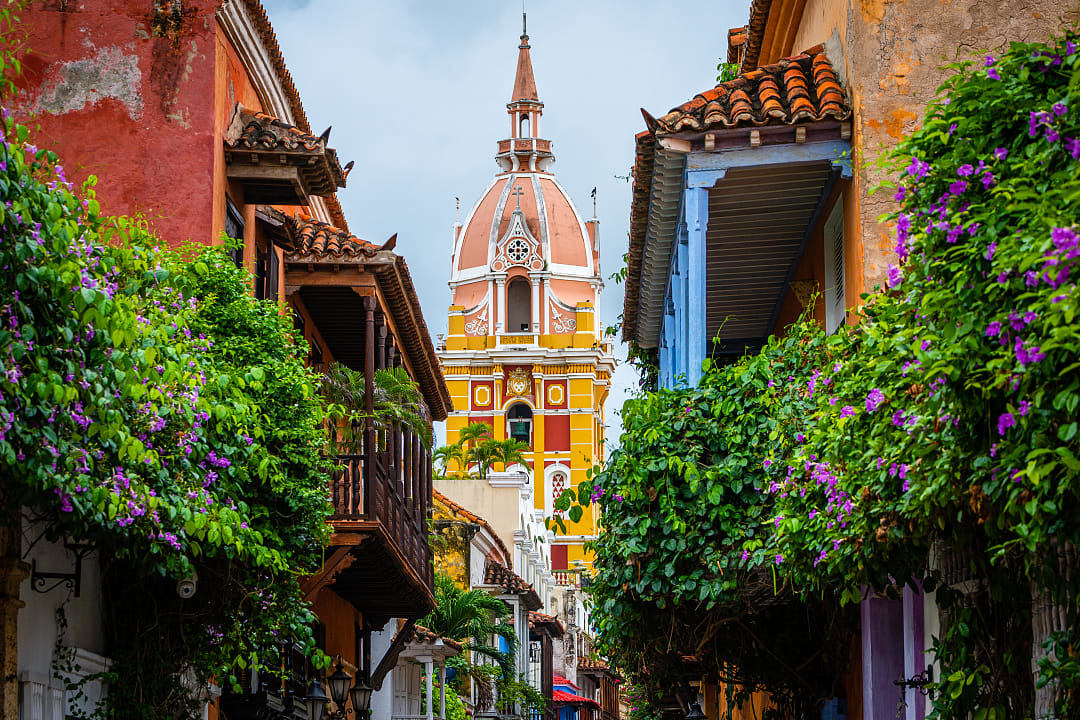
Flower-lined street leading to Torre del Reloj in Cartagena’s historic Old Town, Colombia
Cartagena, Colombia

Why Colombia Is Unmissable

Colombia has transformed from a country avoided by travelers to one cultivating luxury infrastructure as it maintains cultural authenticity. Cartagena's walled Old Town combines colonial architecture with contemporary hospitality in boutique hotels occupying restored mansions, while the Coffee Region's hacienda stays embed you in UNESCO-listed coffee cultural landscapes. This moment in Colombia captures a delicate balance; infrastructure has matured, but tourism hasn't yet overwhelmed authentic local character.

A Journey Through Colombian Reinvention

Cartagena's colonial grandeur reflects its historical importance as a Spanish treasure fleet gathering point, where New World riches accumulated before transatlantic voyages. The massive fortifications protecting the Old Town demonstrate the wealth flowing through this Caribbean port. Colombia's Coffee Region received UNESCO recognition for its coffee cultural landscape, acknowledging how Coffea arabica cultivation shaped not just economics, but built environment, social organization, and the relationship between farmers and land. The distinctive Paisa architecture developed specifically for coffee farming communities.

What to Expect

  • Feel Caribbean heat and humidity as you walk Cartagena's ramparts at sunset, when the temperature moderates and golden light illuminates church domes and terracotta roofs. Evening breezes from the ocean carry scents of tropical flowers mixed with wood smoke from restaurants preparing traditional dishes over open flames.
  • Taste Colombian coffee transformed from commodity to artisanal product as small farmers embraced specialty production. In cupping sessions at coffee haciendas, you learn to distinguish regional profiles, processing effects, and roasting impacts through side-by-side tastings that educate your palate beyond simple caffeine delivery.
  • Hear vallenato music's accordion-driven tempo filling Cartagena plazas where locals gather for paseo, the evening promenade that has structured Colombian social life for generations. In coffee country, mountain sounds create soundscapes unmarked by mechanical noise.
  • See the contrast between Cartagena's colonial stonework and the lush Coffee Region's green mountains, where coffee plants grow beneath taller shade trees. The wax palm, Colombia's national tree, rises improbably tall above surrounding vegetation in valleys.

Where to Experience Colombian Transformation

  • Cartagena Old Town: Base within the walled historic center for walking access to churches, plazas, ramparts, and restaurants occupying colonial buildings.
  • Coffee Haciendas: Stay at working farms or converted estates in the Coffee Region for plantation walks, processing demonstrations, tastings, and rural immersion.
  • Cocora Valley: Hike among towering wax palms in dramatic valley landscapes that have become iconic Colombian imagery for your photography.
  • Salento: Explore the colorful town serving as a gateway to coffee country, with traditional architecture and craft markets.
  • Medellín: Experience urban transformation in a city reinventing itself through public art, metro infrastructure, and cultural programming.

Craft your Colombian journey to combine coastal colonial charm with mountain agricultural landscapes, creating an itinerary that demonstrates the country's diversity.

Portugal

Ornate frescoed interior of the Convent of Christ, former Templar stronghold in Tomar, Portugal
Charola in the Convent of Christ (Templar complex), Tomar, Portugal

Why Portugal Is Unmissable

Portugal delivers what many seek in Tuscany: rolling vineyard landscapes, medieval towns, artisanal food culture, yet at lower prices. The Templar history connecting Tomar's vast UNESCO-listed convent to Portugal's Age of Discovery adds narrative depth often missing from pure wine tourism, while the Alentejo's big-sky plains dotted with cork forests and whitewashed villages create landscapes visually and culturally distinct from better-known Mediterranean wine regions. Each day can layer oenological education, historical exploration, and artistic traditions.

A Journey Through Templar Legacy and Alentejo Landscapes

The Knights Templar arrived in Portugal around 1128, becoming key allies in the Reconquista. Unlike elsewhere in Europe, where the order faced violent suppression in 1312, Portugal transformed Templars into the Order of Christ, preserving their wealth and redirecting their energies toward maritime exploration. Prince Henry the Navigator led this reconstituted order, placing their crosses on caravels that eventually reached India and Brazil.

Tomar's Convent of Christ demonstrates this continuity, its medieval Templar fortress core expanding through Renaissance cloisters into Manueline architecture celebrating maritime achievement. The Alentejo's landscapes reflect centuries of cork oak and olive cultivation interspersed with wheat fields. Cork harvesting traditions, where bark is carefully stripped every nine years without harming trees, created sustainable forest management practices.

What to Expect

  • Feel cork bark's surprising texture, simultaneously rough and soft, as guides in forests explain harvesting techniques refined across generations. The stripped trees, with their orange-red inner bark exposed, create visual contrast against the surrounding green.
  • Taste Alentejo wines gaining recognition beyond Portugal, particularly reds from indigenous grapes like Aragonês and Trincadeira that thrive in the region's hot summers. In wine estate dining rooms, multi-course meals pair these with traditional dishes elevated through contemporary technique.
  • Hear silence in Alentejo's vast plains, where population density remains remarkably low and mechanical sounds rarely intrude. This quiet creates conditions for stargazing programs that many properties now offer, the dark skies revealing celestial displays.
  • See Évora's Roman temple columns still standing in their original positions 2,000 years after construction. In nearby megalithic sites predating Stonehenge, standing stones mark the landscape in arrangements whose purposes archaeologists still debate.

Where to Experience Portuguese Heritage and Wine

  • Tomar and Convent of Christ: Tour the vast UNESCO complex where the Templar fortress evolved into the Order of Christ headquarters, its architecture documenting Portugal's historical transformation.
  • Évora: Base in the UNESCO-listed walled town for Roman ruins, medieval churches, university buildings, and access to the surrounding Alentejo countryside.
  • Alentejo Wine Estates: Stay at converted quintas or contemporary wine hotels for tastings, cellar tours, vineyard walks, and farm-to-table dining.
  • Monsaraz: Explore the preserved medieval hilltop village, with wide views over vineyards, olive groves, and the Alqueva reservoir.
  • Cork Forests: Visit cork operations to understand sustainable harvesting that maintains forests while producing material for wine closures, flooring, and contemporary design applications.

Design your Portuguese journey with time in wine country that allows morning vineyard visits, afternoon explorations of historic towns, and evening meals where local wines create experiences as memorable as any formal tasting.

Zimbabwe

African elephant wading through the Zambezi River in Zimbabwe
Zambezi River in Zimbabwe

Why Zimbabwe Is Unmissable

Zimbabwe shares ecosystems, wildlife corridors, and even elephant herds with Botswana's celebrated Okavango Delta, yet delivers comparable safari experiences at a roughly 40 percent lower cost. Hwange National Park's massive elephant populations, Mana Pools' water-based safari opportunities, and Victoria Falls' accessibility create itineraries that combine wildlife intensity with natural wonder. The political and economic factors affecting Zimbabwe haven't diminished its wildlife densities, conservation programs, or guide expertise.

A Journey Through Zimbabwean Conservation

Zimbabwe's national parks originated in 1920s colonial conservation efforts, but contemporary management increasingly involves community conservancies where surrounding villages participate in tourism revenue and wildlife management decisions. Hwange National Park's elephant population, estimated at 45,000 individuals, represents one of Africa's largest concentrations. These herds move freely across the Botswana border, demonstrating how wildlife corridors ignore political boundaries.

Mana Pools' designation as a UNESCO World Heritage Site recognizes its wildlife significance and status as one of few African parks permitting unguided walking safaris and canoeing among dangerous game.

What to Expect

  • Feel your heart race as your guide leads you on foot toward an elephant herd, keeping proper distance while allowing a closer approach than vehicle-based viewing permits. The guide's calm competence reassures, even as your awareness heightens, creating thrilling encounters where you sense the animals' power through proximity.
  • Taste campfire-cooked meals under stars so bright they cast shadows, the absence of light pollution revealing the Milky Way as a distinct band. In Zimbabwe's unfenced camps, wildlife sounds surround you after dark, creating awareness that only canvas separates you from wild Africa.
  • Hear hippos grunting from the Zambezi River as you paddle silently past in a canoe, your guide navigating currents while monitoring wildlife movements to maintain safe distances. The experience combines adventure with tranquility, physical exertion with meditation.
  • See elephants wading to the Zambezi islands in the late afternoon, their trunks raised as snorkels while their bodies disappear beneath the water. Wild dogs trotting across plains in coordinated packs demonstrate Africa's most efficient predators. Victoria Falls creates mist visible from miles away, its spray catching sunlight in permanent rainbows.

Where to Experience Zimbabwean Wilderness

  • Hwange National Park: Base at camps positioned near water sources where wildlife concentrates, particularly during the dry season when elephant herds gather in massive numbers.
  • Mana Pools National Park: Experience walking and canoe safaris along the Zambezi River, camping in unfenced sites where wildlife moves freely after dark.
  • Victoria Falls: Combine falls viewing from Zimbabwean and Zambian sides on Zambezi River cruises, cultural visits, and optional adventure activities.
  • Private Conservancies: Stay in exclusive-use areas adjacent to national parks, benefiting from lower vehicle density and flexible safari scheduling.
  • Community Partnerships: Choose operators working with local villages to ensure your safari spending supports conservation and community development.

Craft your Zimbabwean safari with time allowing multiple game drives, walking safaris, and rest days that prevent the exhaustion that can diminish later wildlife encounters.

Sri Lanka

Infinity pool at Wild Coast Tented Lodge overlooking coastal jungle in Sri Lanka
Wild Coast Tented Lodge in Yala National Park, Sri Lanka. Photo courtesy: Wild Coast Tented Lodge

Why Sri Lanka Is Unmissable

Sri Lanka compresses an entire subcontinent's experiential diversity into geography navigable by car, without the domestic flights that fragment Indian itineraries. Where experiencing India's equivalent range might require 16 days and five internal flights, Sri Lanka delivers comparable encounters in 10 days with scenic drives. The private villa experience adds unprecedented value for families and groups, with fully staffed four-bedroom beachfront properties that include a personal chef, butler, and driver costing less than two standard hotel rooms in nearby Maldives resorts.

A Journey Through Sri Lankan Integration

Sri Lanka's compact geography creates unusual integration. A morning safari in Yala National Park tracking leopards transitions by afternoon into a tea plantation stay in mountain landscapes, then continues to coastal fort towns where Dutch colonial architecture houses contemporary galleries. This proximity eliminates the logistical friction that makes a similar variety difficult elsewhere.

The tea heritage stems from British colonial plantation development after coffee rust devastated Ceylon's coffee estates in the 1860s to 1870s. Tea replaced coffee across the central highlands, creating landscapes of manicured bushes covering hillsides where mist wraps valleys. Sigiriya's fifth-century rock fortress demonstrates pre-colonial sophistication, its water gardens, frescoes, and mirror wall verse revealing how Sinhalese culture combined hydraulic engineering, artistic achievement, and literary tradition.

What to Expect

  • Feel Wild Coast Tented Lodge's cocoon-shaped canvas suites positioned where Yala's leopard-rich scrubland meets the Indian Ocean, their arched interiors creating spaces that feel simultaneously intimate and grand. The design statement becomes memorable, proving that luxury safari accommodation can be architecturally significant.
  • Taste Ceylon tea at source, walking plantation hillsides where pickers hand-select leaves in the same two-leaves-and-bud pattern that has defined quality tea production for over a century. In tea factory visits, you learn how withering, rolling, oxidizing, and drying transform green leaves into black tea.
  • Hear surf breaking against your private villa's beach while staff prepare dinner according to your preferences, the menu flexible enough to accommodate dietary requirements or a simple desire to repeat last night's exceptional curry. This personalized service feels neither intrusive nor impersonal.
  • See Galle Fort's Dutch colonial walls and buildings repurposed as boutique hotels, galleries, and cafés where contemporary life continues in structures built for 17th-century trade. The fort's compact walkability means your days can alternate between beach time and cultural immersion without the need for a driver or lengthy transfers.

Where to Experience Sri Lankan Value

  • Wild Coast Tented Lodge: Base at Yala's edge for safari drives tracking leopards, while maintaining ocean views and design-forward accommodation rivaling top African luxury camps.
  • Tea Country (Ella, Nuwara Eliya): Stay in converted plantation bungalows or contemporary tea hotels for factory visits, hillside walks, and a cool highland climate contrasting with coastal heat.
  • Sigiriya Rock Fortress: Tour the fifth-century site with guides who explain the hydraulic systems, frescoes, and inscriptions documenting pre-colonial achievements.
  • Galle Fort: Explore the Dutch colonial complex, now housing boutiques, galleries, and restaurants within its walking walls, which maintain the original defensive layout.
  • Private Beach Villas: Occupy fully staffed properties on the south coast, where you can have the entire house with chef, butler, driver, and daily service in a private-home experience.

Design your Sri Lankan journey to balance safari intensity, cultural exploration, and beach relaxation, using private villas for family gatherings and boutique properties for couples.

Discover Your Value Journey

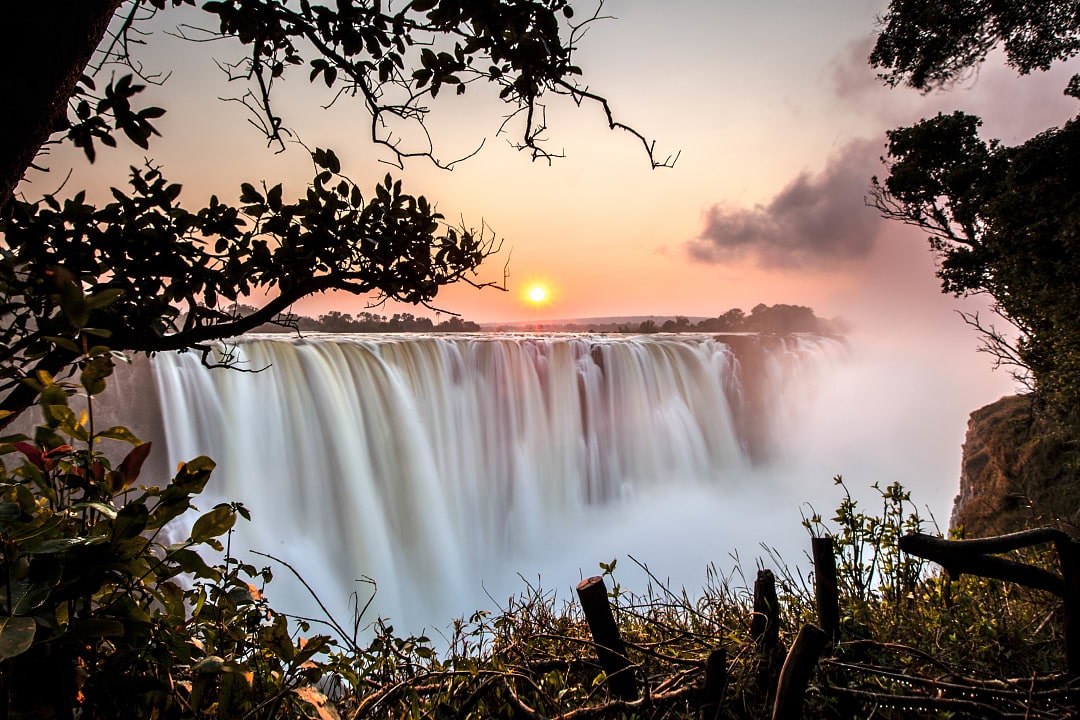
Sunrise over Victoria Falls with mist rising above the Zambezi River gorge
Victoria Falls, Zambia–Zimbabwe border

These destinations demonstrate that 2026's smartest luxury travel choices prioritize emotional resonance, logistical efficiency, and authentic encounters over famous names and premium pricing. Whether you seek Central Europe's cultural compact, Southeast Asia's hospitality mastery, or Africa's accessible wilderness, value emerges when quality infrastructure meets accessible pricing and genuine cultural engagement.

Our destination specialists understand how to translate every advantage into your itineraries, maximizing your time through extended stays, private access, and spontaneous additions that transform good trips into unforgettable ones. For detailed planning and personalized recommendations, explore Zicasso or connect with our experts to craft your bespoke itinerary.

30,000+ Verified Traveler Reviews