Africa’s Eco-Safari Lodge Experiences: The Evolution of Belonging

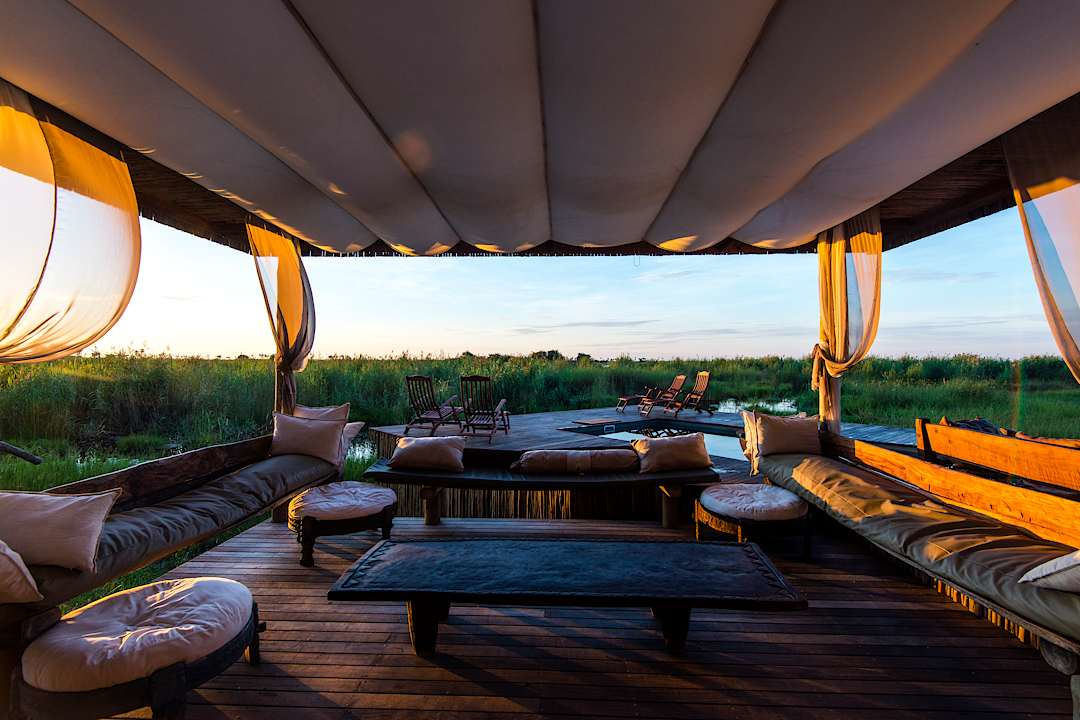
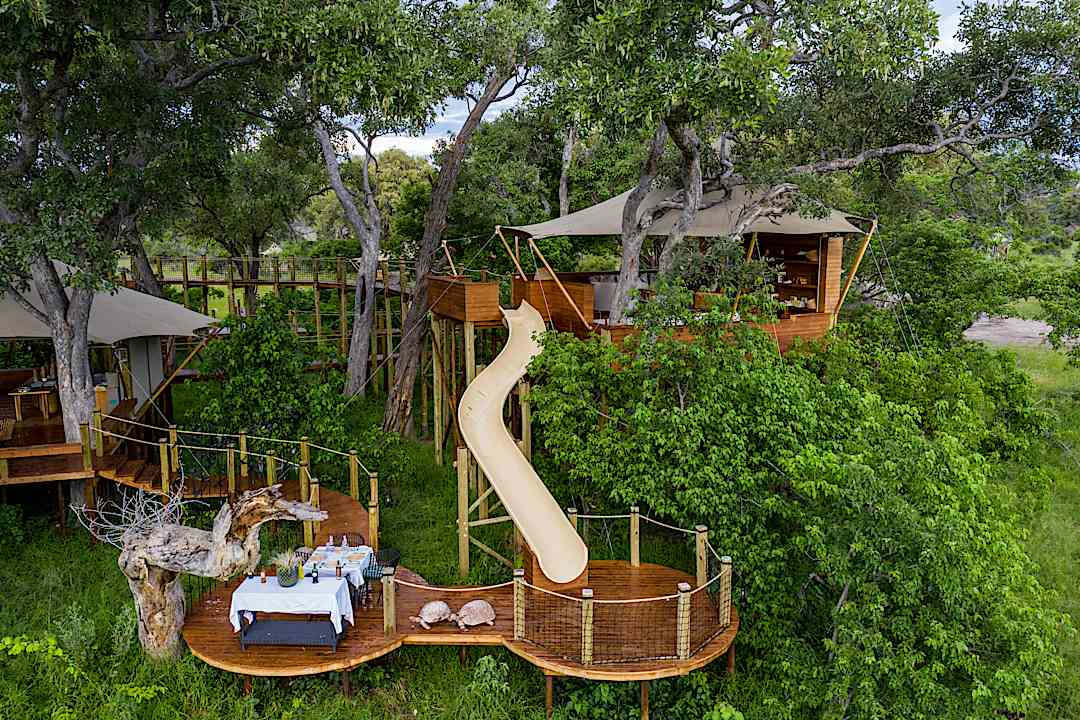
Selinda Camp, Botswana.

Selinda Camp, Botswana.

The language of safari has changed. Where "eco-lodge" may once have indicated compromise in exchange for conscience, today's regenerative safari lodges have inverted the equation entirely. A continent of low-impact, high-luxury travel now offers carbon-neutral itineraries and an immersion-without-intrusion experience, with a shift in philosophy as we no longer build on the land, but with it.

Africa's luxury safari circuit reveals structures that emerge from the landscape as though the earth itself dreamed them into being. Modern, understated, and elegant spaces where invisibility becomes the ultimate luxury. Materials of clear provenance, biophilic forms, and closed-loop design dissolving the boundary between inside and outside. Every decision, from rammed-earth walls that breathe with the temperature to solar arrays hidden in canopy shadows, measures luxury not by what's added, but by what is preserved.

Your extraordinary journey begins with a human touch and our safari specialists know how to create moments of connection so you can experience the thrill of the bush while staying in lodges that honor the integrity of the ecosystem, not just for your comfort, but for the land's continuity. They understand that regenerative design doesn't limit your experience; it deepens it. Browse this list of experiences, then plan your journey with a Zicasso safari consultant who knows that true luxury lies in belonging, not dominating.

What Defines This New Era of Safari Luxury?

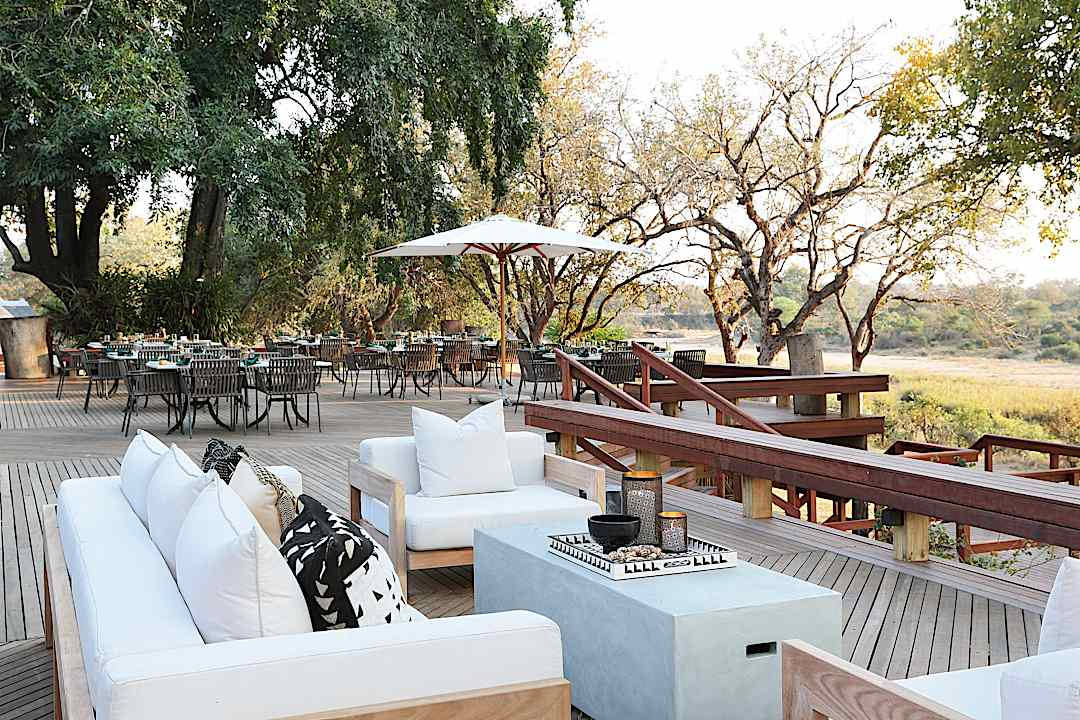
Outside lounge at Selinda Camp, in Botswana.

These lodges are the most responsible choices available and their wildlife-first architectural design reframes luxury entirely. Defined by high-end amenities and the integrity of the experience itself: sacred silence, respected privacy, and little to no footprint left on the land.

  • Invisibility: Architecture that disappears into the landscape, where grass-roofed lodges become indistinguishable from savanna and elephants graze unaware on your suite's living roof.
  • Silence: Electric safari vehicles glide soundlessly through wilderness, solar power replaces the generator's roar, and mornings unfold without mechanical intrusion. You hear the francolin's call, the rustle of dry grass beneath impala hooves, the distant bark of a baboon.
  • Stewardship: A transformation from tourist to patron, where your stay funds anti-poaching units, reforestation, community ownership, and conservation that outlasts your footprints.

Understanding Eco-Lodge Standards

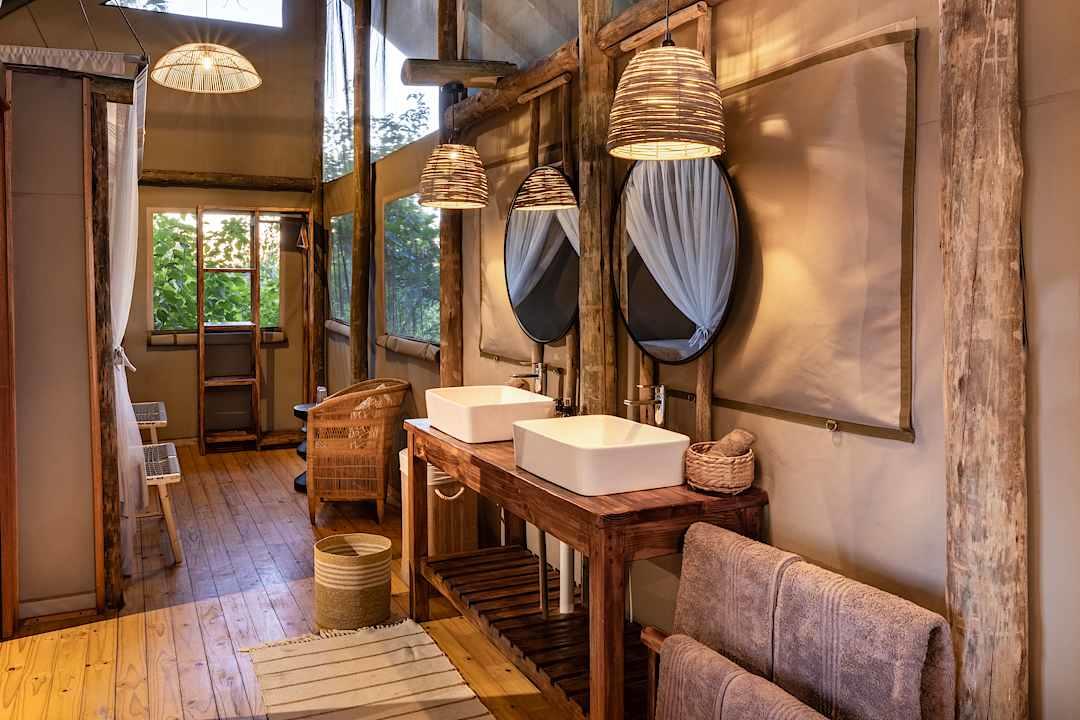
Bathroom at an Eco Safari lodge in Botswana.
Bathroom at lodge, Botswana.

When you embark on regenerative luxury travel, understanding the spectrum between greenwashing and genuine transformation is essential. At one end of the spectrum, lodges provide recycling bins, energy-efficient lighting, and bamboo toothbrushes that reduce harm without fundamentally reimagining what luxury means in wild places. At the other end operate lodges that are entirely carbon-negative, with solar-charged electric safari vehicles and closed-loop water systems, and your presence actively regenerates.

Architectural Innovation: Where Design Meets Wilderness

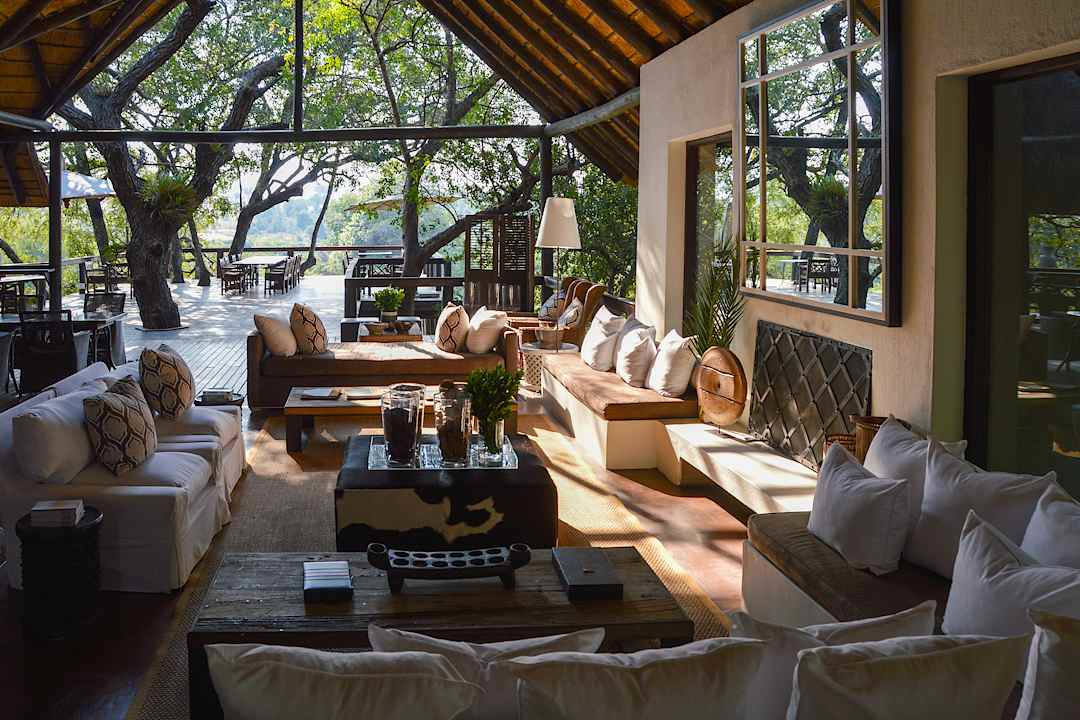
Sabi Sabi Lounge, South Africa.

Africa's most forward-thinking lodge architects have abandoned the idea of imposing a building upon a landscape, replacing it with something far more ambitious, to design structures the wilderness simply doesn't notice. Across the continent, a new generation of lodges demonstrates that the most sophisticated engineering achievement is not what you see, but what you don't. These include technology hidden, footprints erased, and comfort delivered quietly.

SABI SABI EARTH LODGE

  • Why Is It Unmissable: Sabi Sabi’s 13 exquisite suites lie invisible upon arrival; the lodge's earth-sheltered design is a radical philosophy: architecture should emerge from the landscape. Philosophy over feature, architecture as earthwork. Inspired by medieval earth-shelter principles reimagined through biophilic design, shelter within the earth's thermal mass mimics landscape forms, creating a futuristic approach that honors ancient wisdom. Game drives emphasize low-impact observation with strict vehicle limits and ethical viewing distances. Walking safaris explain the habitat management you are funding, with guides contextualizing how your rate supports anti-poaching patrols, alien vegetation removal, and wildlife monitoring that extends beyond your departure.
  • A Journey Through History: A traditional safari lodge announces its presence through imported materials and elevated platforms, its structures declaring their presence boldly. Earth Lodge inverts this legacy: excavating into the hillside rather than building atop it, restoring indigenous vegetation onto roofs, and using excavated materials in the walls. Sabi Sabi Earth Lodge has grown its measurable conservation impact over the years. Your stay supports an audited Habitat Management Plan, with documented systems governing wastewater, fire ecology, and vegetation with verified outcomes. An Imvelo Award for Best Practice in Conservation was earned for wetlands restoration requiring proven ecological results.
  • What to Expect: Enjoy sensory immersion in living architecture. Suites carved from natural rock and rammed earth stay genuinely cool at midday and warm through winter dawns, thermal mass dramatically reducing reliance on air conditioning. Wildlife crosses the grass-topped roof above, unaware anything lies beneath. Walls of golden straw, rough stone, and raw pigment smell of dry earth and warm mineral dust, their surface cool to the touch and shifting from matte amber to deep saffron as the afternoon light drops. Private plunge pools bring you to eye level with animals that pass without altering their behavior, the clearest proof that the architecture has truly disappeared.

Where to Enjoy Your Visit

  • The Meditation Garden: Stone seating positioned where the earth's curves create a natural amphitheater for observing light shifts, bird activity, and seasonal vegetation. A contemplative relationship with landscape.
  • The Underground Wine Cellar: An earth-sheltered space with ideal temperature for South African vintages. Intimate tastings surrounded by cool stone walls, pairings emphasizing regional provenance from nearby estates.
  • Private Plunge Pools: Integrated into the earth-sheltered design with edges blending into the landscape, delivering eye-level wildlife viewing where elephants drink at the waterhole while you lounge.

Booking: Request plunge-pool suites overlooking waterholes. Book eight to 12 months ahead for peak season (June to October). Specify walking-safari interest for conservation depth beyond game viewing.

LEPOGO NOKA CAMP

  • Why This Lodge is Unmissable: One of Africa’s first luxury lodges to offset guests’ complete carbon footprint, Lepogo Noka achieves something architecturally unprecedented: five stilted villas hovering above a 100-foot cliff in Lapalala Wilderness Reserve, with only 1% of the structure touching ground. Small concrete pads allow root systems and micro-ecosystems to function entirely undisturbed beneath, while an 820-foot solar walkway threading between villas generates all electricity the lodge requires. A 100% not-for-profit venture, all revenue is reinvested directly into Lapalala Wilderness Reserve for wildlife protection, conservation research, and community development.
  • A Journey Through History: Lapalala Wilderness Reserve carries a conservation history as significant as its architecture. Established in 1981, it was one of the first privately owned wilderness reserves in South Africa and an early sanctuary for the critically endangered black rhino at a time when the species faced systematic collapse. Lepogo Noka emerges from that lineage, representing the evolution from conservation as land protection to conservation as architectural philosophy: the shift from building on land to hovering above it, every journey between villa and main lodge becoming a floating passage demonstrating that luxury and ecological integrity are natural partners.
  • What to Expect: Villas perch on the cliff edge with panoramic views across Lapalala wilderness, the structure so light that the landscape reads as completely uninterrupted beneath and beyond it. Operating entirely off-grid, the absence of diesel engines leaves the air clean and the silence absolute, broken only by the reserve's soundscape. Game drives contextualize the reserve's role as a biodiversity corridor connecting fragmented ecosystems, while walking safaris explain how your booking funds anti-poaching patrols, monitoring equipment, and ranger salaries. The carbon footprint offset covers not just your time in camp, but your entire journey from home.

Where to Enjoy Your Visit

  • The Solar Walkway: At dusk, moving silently between dinner and your villa with the Lapalala wilderness dropping away on both sides, the experience of traversing infrastructure that is simultaneously generating your electricity is quietly radical.
  • Cliff-Edge Villas: Hover above the earth, pure eco-luxury and a quiet space to gaze out on an earth entirely unaware of your presence above it. Wildlife corridors, their unbroken and rooty systems intact, capture the stillness of a quiet wilderness.
  • Main Lodge Deck: Perched at the cliff's edge, with the full sweep of Lapalala Wilderness Reserve stretching to the horizon, the deck is where the lodge's philosophy becomes a panorama. Meals here carry a particular clarity: the entire operation's energy logic is legible from a single vantage point.

Booking: Reserve six to nine months ahead. Specify interest in conservation briefings explaining the not-for-profit model and how your stay funds specific reserve initiatives. Request cliff-edge villas for the most dramatic suspended architecture experience.

SINGITA LEBOMBO LODGE

  • Why This Lodge is Unmissable: Singita Lebombo's suites float along a cliff face overlooking the N'wanetsi River in Kruger National Park, eagle's nest architecture suspended between river and sky, with 90% solar power and a zero-waste philosophy guiding every operational decision. As part of Singita’s portfolio protecting 350,000 acres across Africa, the lodge operates without single-use plastic and relies on a closed-loop waste system that feeds resources back into the ecosystem. Its chefs are trained at the Singita Community Culinary School, linking refined dining directly to community development.
  • A Journey Through History: The earliest Kruger lodges were architecture of assertion: permanent foundations and visible infrastructure announcing human presence. Lebombo draws its design principles from the cliff-dwelling builders the landscape already contained, studying how eagles have solved the problem of inhabiting a cliff edge for millennia. The result is a lodge that reads not as human intervention, but as a natural continuation of the cliff's geometry.
  • What to Expect: Suites of timber, glass, and steel float between cliff and river, wilderness dominating every sightline. At dawn, the N'wanetsi catches the first light while hornbills call from the canopy and wild sage rises through open glass. Water recycling and energy-efficient design extend to staff housing, ensuring every operational detail connects to the ecosystem surrounding it.

Where to Enjoy Your Visit

  • Suspended Suites: Projected over the N'wanetsi River on a cliff face within Kruger National Park, the suites place you inside the landscape rather than beside it, the glass-framed drop below creating an uninterrupted sightline from your bed to the river and the wildlife corridor beyond.
  • Cliff-Edge Deck: A communal gathering space cantilevered over the river, where meals and sundowners suspend you between water below and sky above, biomimicry creating a human equivalent of a raptor's perch.
  • Conservation Hub: An interactive space where guides share real-time data from Singita's 350,000-acre portfolio: collar tracking, camera-trap results, and population monitoring connecting sightings to broader protection outcomes.

Booking: Reserve eight to 12 months ahead for peak season (May-October). Request a suite with a river-facing balcony for the optimal suspended experience. Specify interest in the culinary school program to understand the community employment pathways funded by your stay.

Regenerative Impact: Lodges that Give Back More Than They Take

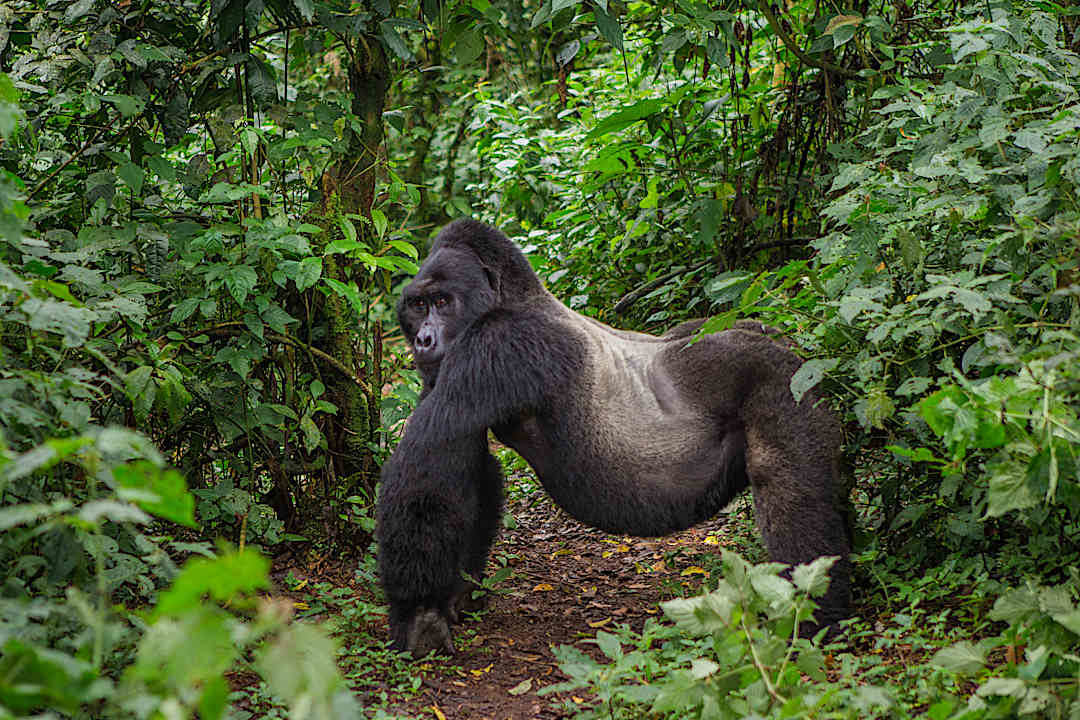
Gorilla sighting in Uganda.
Gorilla, Uganda.

The most profound shift in safari luxury is happening in the economics of who benefits when you book. A new generation of lodges has moved beyond minimizing harm to actively reversing it, embedding regenerative impact into every operational system so that a guest's presence funds wildlife protection, restores degraded land, and strengthens the communities that have always been the true custodians of Africa's wilderness.

RHINO RIDGE SAFARI LODGE

  • Why This Lodge is Unmissable: Rhino Ridge Safari Lodge is owned by the surrounding Zulu community: genuine stewardship rather than performative philanthropy. Every night you spend here translates directly into funded anti-poaching patrols, operational schools, and accessible healthcare for the families whose land this has always been. It is a Fair Trade Tourism‑certified lodge in KwaZulu‑Natal and one of the few properties in southern Africa where a biophilic design philosophy extends beyond aesthetics into genuine ecological accountability. A 186-panel solar farm delivers 60% of the lodge's energy needs, while an active spekboom plantation works continuously to offset carbon emissions.
  • A Journey Through History: The guides who lead your game drives understand this landscape with an intimacy earned over lifetimes, their knowledge rooted in generational connection. Community is key, with certain village members owning 50% of the lodge, a distinction that is prevalent in hospitality and your experience. Staff share stories of ancestral connection to the land, offering a perspective and particular authority of proud family heritage. That same principle of provenance extends to the kitchen, where ingredients arrive from within 120 miles of the lodge, the surrounding land nourishing the table just as it has nourished the community for generations.
  • What to Expect: The suites sit on raised platforms among indigenous forest, elevated above the forest floor so root systems, wildlife corridors, and undergrowth remain completely undisturbed beneath you. A construction of thatch, reeds, and locally sourced wood combines with natural ventilation to create a closed-loop relationship between the architecture and its environment. Warm air moves through open-weave thatch while the forest scent, damp earth, wild ficus, and birdsong fill the suite at every hour. You sleep suspended among the canopy, the forest moving around you, the absence of intrusive infrastructure, a precise and considered choice made by architects and conservationists working toward the same goal.

Where to Enjoy Your Visit

  • The Elevated Suites: Suites built on raised platforms above the indigenous forest floor, constructed from thatch, reeds, and locally sourced wood, where natural ventilation replaces air conditioning and the canopy moves at eye level around you.
  • The Forest Walkways: A network of elevated pathways connecting the suites to the rest of the lodge, suspended above the forest floor so the ecosystem beneath continues to function undisturbed. Walking between spaces becomes an act of observation, with undergrowth, birdlife, and the forest's movement visible below and around you at every step.
  • The Waterhole Viewing Deck: An open deck positioned to overlook one of the reserve's active waterholes, where the ebb and flow of wildlife arrivals and departures replaces any structured itinerary.

Booking: Request a suite with views toward the reserve's natural waterholes. Book eight to 12 months ahead for peak season (June-October). Specify interest in walking safaris when reserving, as this unlocks conservation depth that goes well beyond a standard game drive.

EMBOO NEW GENERATION CAMP

  • Why This Lodge is Unmissable: Emboo New Generation Camp is Kenya's first fully solar-powered camp, operating with a complete fleet of electric safari vehicles, zero generators, and zero diesel. A certified B Corporation and the first camp in the Maasai Mara to achieve closed-loop infrastructure, where energy, water, and waste cycles integrate completely, making it a carbon‑neutral and, in practice, often carbon‑negative operation. Every aspect of the camp, from 24/7 solar power to vertical hydroponic gardens producing a farm-to-table dining experience, demonstrates what happens when innovation drives an entire operation from the ground up. A stay here is a proof of concept: evidence that luxury and genuine accountability are symbiotic.
  • A Journey Through History: Emboo's location within the northern corridor of the Serengeti-Mara system places guests at the center of one of the largest movements of wildlife on Earth, a deliberate positioning designed to immerse rather than observe. The Maasai Mara carries a deep and layered history of conservation, community, and contested land use. A stay at Emboo connects you to that complexity through guides who understand the reserve as a living system with its own continuity and its own demands.
  • What to Expect: Eight luxury tented suites sit within indigenous forest overlooking the Talek River, positioned along one of the reserve's most active wildlife corridors. Silent electric Land Rovers transform the bush entirely: without diesel rumble, the soundscape opens in ways combustion engines permanently foreclose. You hear the crunch of dry grass compressing under a lion's paw, the low-frequency rumble of elephant communication felt as much as heard, a subsonic language passing between family members feet from your vehicle. At dusk, as the vehicles glide back through golden grass, the only sounds are the guinea fowls’ clatter and the deep, resonant call of a fish eagle carrying across the river. A vertical hydroponic garden produces ingredients steps from your table, eliminating food miles entirely and uninterrupted nights, free from generator hum, mean the sounds of the Mara arrive unfiltered.

Where to Enjoy Your Visit

  • The Hydroponic Garden: A vertical growing installation steps from the camp's dining space, where the ingredients for each meal are cultivated without soil or an external supply chain. A short walk connects your dining experience directly to a closed-loop food-production system operating in real time.
  • The Electric Vehicle Depot: Visit before your morning drive and a guide can walk you through the vehicle's mechanics and explain precisely how Maasai Mara sunlight is converted into a zero-emission safari experience. It is the one place in the camp where Emboo's entire technological philosophy is visible in a single space, the absence of diesel canisters and exhaust fumes making the argument for silent safaris more convincing.
  • The Talek River Deck: An open-air gathering space cantilevered above the Talek River, where sundowners and meals place you directly above one of the reserve's most active wildlife corridors. The deck is the camp's communal anchor, where the biophilic design principle of dissolving the boundary between shelter and landscape is felt most immediately.

Booking: Request a suite with a direct view over the Talek River. Book 10 to 12 months ahead for peak migration season (July-October). Specify interest in the camp's closed-loop systems and electric-vehicle program when reserving.

GORILLA FOREST LODGE

  • Why This Lodge is Unmissable: One of the only luxury properties situated within Bwindi Impenetrable National Park itself, Gorilla Forest Lodge offers a unique form of proximity. Spend your nights sleeping inside the UNESCO World Heritage Site, within the living habitat of nearly half the world's remaining mountain gorillas. Its construction was permitted only after proving its regenerative impact and every choice since has carried the same justification. A stay directly supports local conservation and community projects through A&K Philanthropy, with revenue flowing to the artisans whose traditional Ugandan building methods are embedded into every material detail of the lodge.
  • A Journey Through History: Bwindi Impenetrable Forest is one of Africa's oldest and most biodiverse ecosystems, a primordial landscape largely unchanged for more than 25,000 years and now the last viable stronghold for the mountain gorilla. The species' recovery from the edge of extinction is one of conservation's most closely watched narratives, a story still being written, with Bwindi at its center. Traditional Ugandan craftsmanship embedded throughout the lodge connects you to a cultural lineage that predates every conservation designation surrounding it, the artisans whose techniques shaped the interiors belonging to the same community whose future is bound to the forest's survival.
  • What to Expect: Villas of local timber and organic texture sit within the forest canopy, their biophilic design making them invisible to the gorilla families moving through the surrounding habitat, invisibility here being an operational necessity rather than an aesthetic choice. Open louvers draw in cool, humid air carrying wild ginger and the soft percussion of rain on dense leaf cover. A private terrace places you fully inside the Bwindi ecosystem, unmediated. The proximity is the defining distinction. Trekking from within the forest you are funding transforms the encounter from observation into participation, the mountain gorilla moving through its habitat and yours simultaneously.

Where to Enjoy Your Visit

  • The Private Terrace: Each villa's terrace places you directly within the Bwindi canopy, with no managed garden or landscaped buffer between you and the forest. This is the lodge's quietest and most consistently rewarding space, where the density, sound, and movement of an ancient ecosystem become the entire experience.
  • The Gorilla-Trekking Departure Point: The starting point for an encounter that redefines what a wildlife experience can mean. Guides brief you on the mountain gorilla's conservation status, the specific family group you are tracking, and the direct connection between your booking and the funding that keeps them in this habitat. The trek begins as an excursion and arrives as something considerably more significant.
  • The Craft and Community Space: A dedicated space where the traditional Ugandan craftsmanship embedded throughout the architecture is given context, where the artisans, the techniques, and the community relationships behind every material detail are made visible. For a traveler seeking genuine provenance of place, this is where the full accountability of a stay at Gorilla Forest Lodge becomes tangible and specific.

Booking: Request a villa with a direct forest-facing terrace. Book 12 months or more ahead as gorilla-trekking permits are issued in strictly limited numbers and represent the most constrained availability in East African conservation travel. Specify interest in the community craft program and A&K Philanthropy partnerships when reserving.

SINGITA KWITONDA LODGE

  • Why This Lodge is Unmissable: Set on 178 acres at the edge of Volcanoes National Park in Rwanda, Singita Kwitonda Lodge offers eight contemporary suites and a four-bedroom villa, each built around a single measurable goal: expanding the mountain gorilla's viable habitat. An on-site nursery has produced over 60,000 tree saplings planted around the lodge, actively extending the range of the gorilla population. Gorilla trekking here is categorically different from a proximity experience: this is a lodge whose presence is making the gorilla's world physically larger. Locally sourced materials and a deliberate program of community engagement ensure revenue flows directly to regional artisans and workers.
  • A Journey Through History: Volcanoes National Park carries one of conservation's most emotionally charged narratives: the mountain gorilla's slow recovery from near extinction. Rwanda's relationship with its gorilla population has evolved into genuine regenerative stewardship, and Singita Kwitonda sits at the current edge of that evolution, its reforestation program representing the transition from protecting what remains to actively recovering what was lost. The woven ceilings and hand-fired terracotta brickwork throughout the lodge continue a craft lineage whose practitioners are part of the same conservation economy the lodge is designed to sustain.
  • What to Expect: Suites finished with woven ceilings and hand-fired terracotta brickwork sit at the edge of one of the last places on Earth where a mountain gorilla encounter is possible. Run a hand across the terracotta and feel the texture of a tradition centuries deep. The air at altitude is sharp and clear; in the early morning, mist rolls in from the volcanic peaks carrying the mineral coolness of high-altitude forest. Farm-to-table dining draws on ingredients grown in the on-site garden, the same soil the lodge's reforestation program is actively expanding for gorilla habitat. Your breakfast grows in the ground that directly extends its range. On trek, guides point to reforested corridors visible from the trail: new habitat, measurably created, the gorilla's future range made larger by your stay.

Gorilla trekking from Singita Kwitonda operates at a different register from a standard permit experience. Guides connect every element of the trek to the funded outcomes your booking is directly supporting: the vegetation density, the gorilla family's ranging patterns, and the reforested corridors visible from the trail.

Where to Enjoy Your Visit

  • The Artisan Suites: Rooms finished with hand-fired terracotta brickwork and woven ceilings, each element produced by a local craftsperson whose skills are embedded in the lodge's conservation economy. The suites sit at the boundary of Volcanoes National Park, where every surface makes the connection between the built environment and the surrounding landscape immediate and specific.
  • The Akarabo Nursery and Garden: The lodge's on-site nursery and vegetable garden is simultaneously a food-production system and a habitat-expansion program. Over 60,000 saplings have been propagated here for reforestation planting, while the garden produces the ingredients that arrive at your table steps away. A visit to this space makes the closed-loop relationship between dining, soil stewardship, and gorilla range expansion visible and tangible.
  • The Volcanoes National Park Trekking Trail: The departure point for an encounter that carries the full weight of what Singita Kwitonda has been designed to deliver. Guides use the trail as a living classroom, pointing to reforested corridors, explaining ranging behavior, and connecting the landscape around you to the specific conservation outcomes your stay is funding.

Booking: Request a suite with a direct outlook toward the volcanoes. Book 12 months or more ahead; gorilla-trekking permits in Rwanda are issued in strictly limited numbers. Specify interest in the Akarabo Nursery program and the lodge's reforestation outcomes when reserving.

Wildlife Immersion: Where Conservation Meets Experience

MalaMala Camp, photo courtesy of MalaMala Camp.

The most significant shift in luxury safari travel is in the quality of the access. Your safari mission is to understand the systems sustaining wildlife, contribute to the research protecting it, and leave with a relationship to a specific landscape that passive observation cannot produce.

LION SANDS IVORY LODGE

  • Why This Lodge is Unmissable: Six secluded suites rest along the banks of the Sabie River within Lion Sands Game Reserve, which spans approximately 30,600 acres, split between private Sabi Sand land and an exclusive concession inside Kruger National Park. Within Sabi Sand, Lion Sands Ivory Lodge benefits from one of southern Africa’s most established wildlife corridors, where an on‑site ecologist manages habitat, tracks populations, and makes real‑time decisions that shape the wildlife density of the land. Before each game drive, you can gather in a dedicated briefing space where the ecologist presents live data. The lions you observe are not simply lions; they are data points in a population study the ecologist has been running for years. The dry riverbed you cross is not scenery; it is evidence of a hydrological pattern the ecologist is actively monitoring.
  • A Journey Through History: The greater Sabi Sand region carries one of southern Africa's most layered conservation histories: a landscape returned to wilderness from farmland, expanded through private stewardship, and connected to the Kruger National Park ecosystem to create one of the continent's most ecologically significant unfenced wildlife corridors. A percentage of every booking funds conservation directly, while a structured community development program delivers education, enterprise development, and clean water access to the local Huntingdon and Justica B communities.
  • What to Expect: Suites built from steel, wood, thatch, glass, and sand sit along the Sabie River's bank, their design blurring the boundary between interior and wilderness with deliberate precision. The constant murmur of the river draws cool dampness into the suite after dark; the air carries the scent of hippo-stirred water and flowering acacias. Elephants drink feet from your deck, the private plunge pool and the bush beyond occupying the same uninterrupted sightline. Game drives operate under the active influence of the ecologist's habitat-management decisions, with guides explaining in the field how those decisions affect predator movement, prey distribution, and the overall health of the ecosystem surrounding you.

Where to Enjoy Your Visit

  • The Material Suites: Suites built from the reserve's elemental palette, where natural materials dissolve the boundary between interior and landscape. Each suite sits within the 30,000-acre reserve, making the surrounding wilderness feel like a continuation of the room.
  • The Ecologist's Briefing Space: The operational base for Lion Sands' on-site ecologist and the most distinctive space the lodge offers, where real-time habitat data, population tracking results, and active management decisions are shared with guests before and after game drives. This is where conservation becomes a named, professional, and continuously accountable practice.
  • The Waterside Deck: An open-air gathering space positioned above the reserve's waterway, where the tempo of wildlife arrivals at the water's edge replaces any structured activity program. The sightlines across the reserve make it the lodge's most quietly compelling space at any hour.

Booking: Request a suite with a direct outlook over the reserve's waterway. Book 10 to 12 months ahead for peak season (June-October). Specify interest in a session with the on-site ecologist when reserving.

ATZARO OKAVANGO

  • Why This Lodge is Unmissable: Among the three most architecturally significant properties in Africa, Atzaro Okavango achieves something rare: eight luxury tented suites accessible only by helicopter, each opening onto a private plunge pool overlooking seasonal lagoons among Botswana's Okavango Delta palm islands. Semi-permanent structures of tensioned canvas, sustainably harvested timber, and modular steel joinery rest on adjustable decking feet that sit on the soil's surface rather than penetrating it, assembling and disassembling completely with the delta's seasonal flood patterns and leaving no trace. Solar power with lithium-ion battery storage eliminates generator noise; grey water nourishes the palms overhead; organic waste is composted on-site. Everything is built to move.
  • A Journey Through History: The Okavango Delta is one of the world's largest inland water systems and one of Africa's most ecologically intact wilderness areas, a UNESCO World Heritage Site whose seasonal flood cycle has shaped every living system within it for millennia. The communities surrounding the delta carry a relationship with this landscape that predates every conservation designation applied to it. All staff are recruited from surrounding communities, with the African Bush Camps Foundation channeling support into local education, empowerment, and conservation. This ensures the people most invested in the delta's survival are also the people most equipped to protect it.
  • What to Expect: Your suite stands among palms that predate the camp and will outlast it, their preservation a non-negotiable condition of the design. An outdoor shower delivers water purified and re-mineralized on-site, its warmth carrying the faint sweetness of reed and mineral that is the delta's scent. Mokoro excursions and walking safaris are led by staff who connect every operational detail to the aquatic ecosystem beneath your hull. At night, with no generator to compete, the Okavango arrives in full: papyrus sighing against a passing mokoro, the liquid whistle of a reed warbler, the distant boom of a ground hornbill at first light.

Where to Enjoy Your Visit

  • The Palm-Canopy Suites: Semi-permanent suites assembled among palms whose root systems and canopy were mapped and protected before a single structure was positioned. Luxury here is defined by what the camp chose to leave undisturbed.
  • The Waterway Deck: An open-air space at the edge of the delta's channels, where the movement of the Okavango, its birdlife, aquatic activity, and shifting light becomes the entire program. The absence of diesel engines on the surrounding waterways means this space operates in a quiet that most delta camps cannot offer.
  • The Mokoro Departure Point: The starting point for an excursion the camp's entire operational philosophy has been designed to protect. Guides brief you on the aquatic ecosystem you are about to enter and the seasonal flood patterns that determine when the camp assembles and when it disappears. By the time the mokoro moves into the channels, the silence around you carries a specific and earned meaning.

Booking: Request a suite positioned deepest within the palm canopy. Book 10 to 12 months ahead for the peak delta season (July-October). Specify interest in the camp's seasonal dismantling process and the African Bush Camps Foundation's community program.

MALAMALA RATTRAY'S CAMP

  • Why This Lodge is Unmissable: MalaMala was the first private reserve in South Africa to prohibit hunting and transition to photographic safaris, a decision made in 1964 and still the blueprint against which modern eco-lodges are measured. Eight suites sit along the Sand River within 32,000 acres, sharing a 12-mile unfenced boundary with Kruger National Park. This creates a corridor where predator, prey, and rhino populations move freely between private and public land. Anti-poaching patrols, habitat management, water-resource management, invasive-species control, and active research operate continuously across the reserve.
  • A Journey Through History: MalaMala's 1964 hunting ban preceded the word “sustainability,” placing it in the safari world as the lodge that adopted an ethical philosophy and, more so, the property that authored one. Seven decades of continuous operation on the same land have created an institutional knowledge of wildlife behavior, habitat dynamics, and community relationships that newer properties are still working to build. The reserve's unfenced boundary with Kruger is one of the most ecologically significant wildlife interfaces in southern Africa.
  • What to Expect: Suites are designed to frame the Sand River, built from an understated material palette that prioritizes game viewing over visual statement. At dawn, river mist rises off the Sand, carrying the iron-rich scent of wet earth and hippo water; the silence holds until the first “go-away” bird calls and the day begins. Six decades of undisturbed wildlife presence have produced animal behavior of a density and ease that takes years of patient land management to achieve. Guides explain the lease-fee arrangements, dividend structures, and levy systems connecting your stay directly to the Nwandlamhari community's economic continuity.

Where to Enjoy Your Visit

  • The Sand River Suites: Suites positioned to frame the Sand River with architectural restraint that makes the waterway the room's primary feature. The design brief, protect the land first, build second, is most legible here, where the absence of any competing element is experienced as a confident design decision.
  • The Reserve Traversal: MalaMala's 32,800 acres of unfenced wilderness, including its 12-mile boundary with Kruger, functions as the lodge's defining space. Guides with institutional knowledge of this landscape frame every drive within the context of the 1964 hunting ban, the wildlife corridor dynamics, and the habitat-management decisions shaping predator movement in real time.
  • The Conservation Heritage Briefing Space: The space where MalaMala's seven-decade conservation narrative receives its full context, where guides and rangers share the history of the 1964 ban, the co-management agreement's community outcomes, the anti-poaching patrol structure, and the research projects currently active across the reserve. A MalaMala stay becomes specific, traceable, and genuinely distinguished.

Booking: Request a suite with direct Sand River frontage. Book 10 to 12 months ahead for peak season (June-October). Specify interest in the reserve's conservation history and the Nwandlamhari co-management agreement when reserving.

Plan Your Eco-Conscious Safari

Khwai lodge, Botswana.

Choosing an eco-conscious safari lodge in Africa is a meaningful investment in the continent's wildlife, ecosystems, and communities. Here, you inhabit nature. Discover lodges that fully embrace the true meaning of eco-conscious, generating their own power, using locally sourced materials, and operating waste systems that regenerate the land. Embrace a world of conservation research, anti-poaching initiatives, and empowering community development, while experiencing elegantly designed accommodation that immerses you entirely in nature.

Speak to a Zicasso safari specialist who understands the importance of experiencing luxury while grasping the opportunity to pay it forward. They will design an itinerary that ensures every choice you make carries genuine weight in the ecosystems and communities you visit. See our African safari tours and vacations for more inspiration. You can also take a look at our African safari travel guide.

32,000+ Verified Traveler Reviews