The Difference Between a Travel Agent and a Destination Specialist

A female specialist stands on a sunny tropical balcony, smiling and gesturing while speaking to a traveling family.

Bali, Indonesia

Two versions of the same evening in Rome. In one, a line snakes out the door of a restaurant that appears on every “must-try” list, the room packed with diners who have all read the same reviews. In the other, you turn down a quiet side street to a small trattoria recommended by your private guide. The owner greets you like a regular, and the cacio e pepe tastes as if it were cooked with you in mind.

That gap between the predictable and the personally arranged is the difference between a travel agent and a destination specialist. The former can secure flights and hotels at a good price; the latter shapes how the journey will make you feel, drawing on lived experience, deep local relationships, and an understanding of what matters most to you. The value of a specialist lies in their ability to orchestrate invisible elements of a trip, such as pacing and exclusive access that money alone can’t buy. For a discerning traveler, luxury is not only in the thread count, but in the seamlessness of the experience and the certainty that every moment has been considered to maximize their connection to the place and the people they are with.

Extraordinary travel begins with this human connection. Zicasso destination specialists do not work from scripts or generic templates; they start from a deep curiosity about your preferences, then combine that insight with the expertise of the world’s top boutique operators. With Zicasso, you are not buying a package off a shelf; you are commissioning a one-of-a-kind journey, as our experts handle complex logistics so you are free to immerse yourself fully in the wonder of the trip.

Access to the “Un-Googleable”

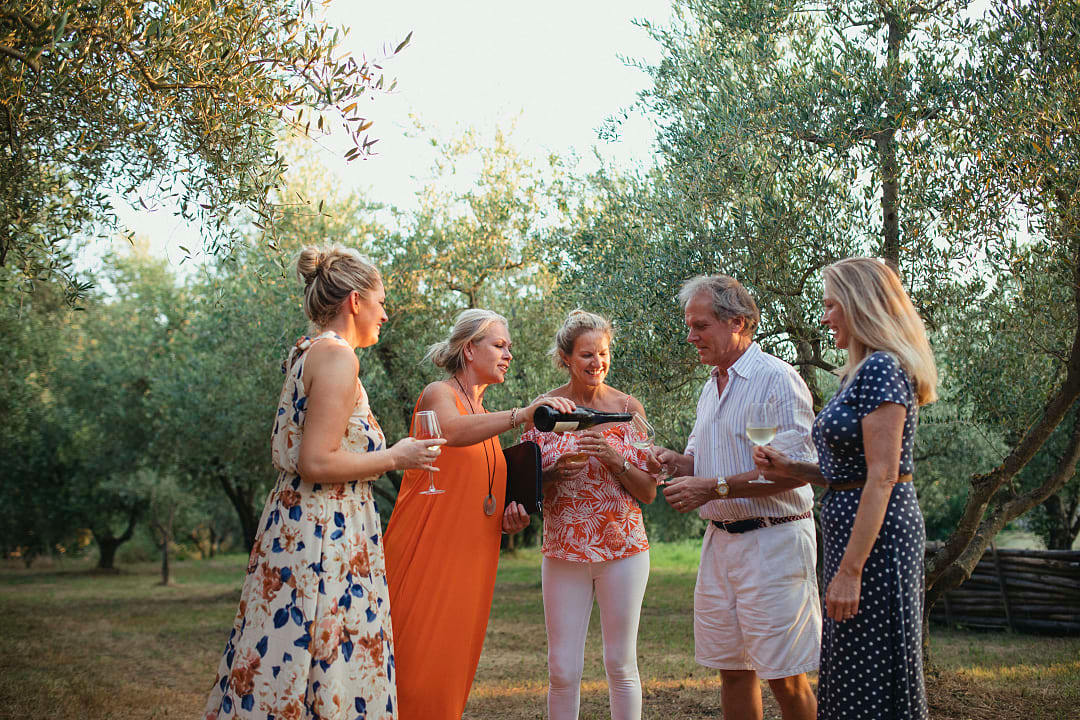
A group of friends stands in a sunny Italian olive grove or vineyard, smiling and talking while holding glasses of wine.
Wine Tasting in Italy

On paper, both travelers “have a reservation in Rome.” In practice, one fights for a table that thousands of other visitors found online; the other walks through an unmarked door because a specialist’s contact has been saving that seat for months. A travel agent can book anything that is available through standard channels, but a destination specialist holds the keys to experiences that rarely appear on the internet. This luxury of exclusivity lets you step behind the velvet rope into a world of private connections, family-owned estates, and after-hours entries reserved for trusted partners.

  • Private entry: At 7am, the Sistine Chapel is empty because your specialist made a call most visitors don’t know is possible. You stand in the centre of the room in silence and look up for as long as you want. Later, you'll pass the queue outside the Vatican and understand what the difference means.
  • Hidden people: The winemaker doesn't do tours, but she and your specialist have known each other for years. On Wednesday afternoons, she sometimes opens the cellar for guests she's been told will appreciate it. You spend hours with her, tasting offerings that will never appear on a restaurant list and learning how a place and a person can become indistinguishable from each other.
  • Secret inventories: The hotel shows as fully booked on every platform. This has been the case for weeks. Your specialist calls the general manager and a villa that was never listed publicly is quietly made available. You arrive to find it has a garden, pool, and view that the main building doesn't have. It was never sold out. It was just never offered to people who didn't know to ask.
  • Local legends: The historian who meets you at the Forum doesn't have a website. He has a doctorate and an ability to make two-thousand-year-old stones feel alive. He was recommended by your specialist, who heard about him from a client, who heard about him from no one findable. This is how the best people are discovered; not through search engines, but through relationships built over years.
  • Restricted areas: The archive has been closed to the public for decades. The private garden opens twice a year by invitation only. The backstage tour of the opera house happens once a season for a handful of guests whose specialists have the right relationships. You are in all three because of your specialist's reputation and because some doors only open for people who have been vouched for by someone the gatekeeper trusts.

Unlock the doors that are closed to others by working with a specialist. For more information, see How Zicasso Works.​

Design for Emotional Impact

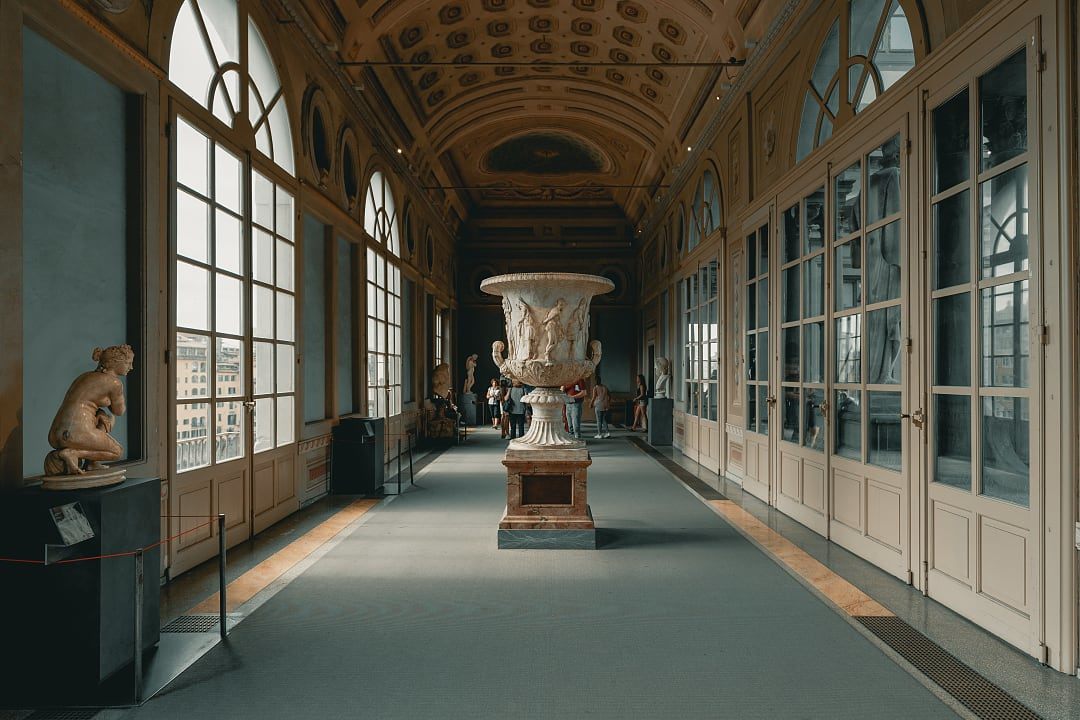
An interior view of a long, sunlit gallery corridor in the Uffizi Gallery, Florence, with classical statues and large windows.
Uffizi Gallery in Florence, Italy

You can point at a map and connect A to B, just like any travel planner. But what if the things that really matter on your trip are X, Y, and Z: the moment you exhale after a red-eye, the day your children finally see wildlife up close, the evening you want to feel utterly transported by a view? A travel agent often strings together destinations and dates; a destination specialist designs the emotional flow. They think about when you’ll be tired, when you’ll crave stimulation, and when you need stillness, so you return home feeling restored instead of depleted.

  • Perfect pacing: Day four is deliberately quiet. Not because nothing was available, but because your specialist knows that by day four you'll have seen a great deal and absorbed even more, and that what you need is a morning with nowhere to be. You sleep late, find a café, and walk without a map. By evening, you're ready for the best dinner of the trip. That space was planned.
  • Climactic moments: The safari isn't on day one. It's on day five, after the landscape has had time to settle into you and you understand where you are. By the time the Jeep stops, the guide goes quiet, and the elephants move through the long grass 200 feet away, you are ready for it in a way you wouldn't have been on arrival. The moment lands because everything was building toward it.
  • Atmospheric awareness: Your train compartment is on the left side of the carriage because that's the side that faces the coast for the full three hours between the two cities. Your hotel room is on the upper floor, west-facing, because the sunset from that window is the thing guests mention most. Your specialist made those calls weeks before you arrived.
  • Crowd avoidance: The Uffizi at nine in the morning feels like a different building to the Uffizi at noon. You're there at 8.30am, in the quiet before the tour groups arrive, standing in front of Botticelli with almost no one else in the room. Your specialist timed it to the hour. You stand there longer than you planned and nobody is waiting behind you.
  • Sensory balance: Three days in bright, loud, relentless, and thrilling Tokyo. Then a ryokan in the mountains, where the loudest sound is the water, dinner is served in your room, and there is nothing to do but be still. You didn't know you needed the second part until you were in it. Your specialist knew before you left home.

“Little-Black-Book” Clout

A couple sits in an ornate, tiled courtyard of a traditional Moroccan riad while a staff member serves them.
Marrakech, Morocco

You arrive at a hotel to find a handwritten note mentioning your favorite wine. You are escorted to the exact room you’d hoped for. The staff greet you by name because your specialist called ahead. That is what their “little black book” looks like in practice. While some agents transact via anonymous systems, a destination specialist is often stored in a general manager’s phone and is on a first-name basis with key staff. Those relationships mean you are not just another booking; you are a guest whose comfort and preferences have been personally briefed.

  • VIP recognition: The room is ready before check-in. On the desk is a bottle of Barolo you mentioned during a planning call three months ago. On the bedside table, the particular tea you drink in the mornings. You didn't fill out a preference form. Your specialist simply remembered.
  • Bespoke surprises: At dinner on the third night, a dish arrives that isn't on the menu. The waiter explains that the chef prepared it after your specialist mentioned you'd been talking about your grandmother's cooking. You don't quite know what to say. This is the kind of gesture that exists outside the language of hospitality and inside that of genuine attention.
  • Priority clearing: The spa is fully booked. The best table on the terrace has a waitlist. Ordinarily, you'd accept the alternative without knowing what you'd missed. But your specialist has been sending clients to this hotel for 12 years and the general manager knows it. By morning, both are confirmed.
  • Problem resolution: The room above yours has a noise issue you haven't even had time to mention to the front desk. You come back from dinner to find you've been moved to a quieter suite on a higher floor, with a note of apology and a small gift. Your specialist had already spoken to the manager that afternoon.
  • Warm hand-offs: Your driver in Florence knows you prefer silence in the mornings and conversation in the evenings. Your guide in Venice knows your children's names and has already planned something for the youngest, who your specialist mentioned loves boats. At every transition, the person waiting for you already knows who you are. The trip never resets. It simply continues.

A quick look at Zicasso reviews underlines how often travelers mention this level of care.

Hyper-Personalized Curation

A high-angle view of a young child's hands carefully shaping green pasta dough on a wooden board.
Pasta-Making in Italy

Think of the difference between “We know Italy is great, you should go” and “You’ve loved contemporary art, small design hotels, and markets on past trips, so here’s how we’ve shaped Rome, Matera, and Puglia specifically for you this time.” An agent can match you to a popular destination; a destination specialist matches the destination to you. They read between the lines of what you say, or don’t say, then curate hotels, guides, and experiences that resonate with your aesthetic and intellectual interests.

  • Guide matching: Your guide in Kyoto is a former architecture professor who knows which courtyard to visit at exactly 4pm when the light comes through the bamboo at an angle that stops conversation. Your specialist knew you'd love him before you'd ever heard his name.
  • Taste profiling: There are no tourist menus, no restaurants chosen because they're famous. Instead, there's a wine bar where the owner opens something unlisted when your specialist's clients come in, a breakfast spot that only locals know exists, and a tasting menu on the last night that seems to have been designed around exactly what you've been eating and drinking all week.
  • Hotel personality: Both hotels have five stars. One has a rooftop bar, a busy lobby, and beautiful strangers everywhere. The other has a reading room, a garden, and a staff-to-guest ratio that means someone always seems to be quietly anticipating what you need. Your specialist put you in the second one without having to ask.
  • Family nuance: At the start of the trip, your photographer teenager is challenged to document the journey through architecture. Your youngest spends a morning with a pasta maker who lets her cut the shapes herself. Your partner gets the long lunch they've been looking forward to all year. Nobody compromises. Nobody is bored. The itinerary was built around all four of you as individuals, not as a group to be managed.
  • Deep dives: You mentioned textiles once, in passing, while describing a trip you took years ago. Woven through your latest itinerary are a weaver's studio, a textile museum that isn't in any guidebook, a market known only to designers, and a lunch with a woman who has been dyeing fabric with natural pigments on the same hillside for 40 years.

Real-Time Agility

A senior woman with glasses smiling while working with a pottery wheel alongside an instructor in a ceramics workshop.
Ceramics Workshop

You land in Europe to news of a rail strike or you wake to rain on the day you planned to sail. The problem is obvious; the question is, who is agitated and who is already solving matters. A traditional booking can feel fixed once confirmed. A destination specialist, by contrast, operates like a real-time control center, adjusting routes and reservations so you can be spontaneous without absorbing the stress.

  • Weather pivots: You wake to grey skies and rain. Before you've finished breakfast, your phone buzzes. The boat day has moved to Thursday and today has become a private ceramics workshop, a long lunch, and a museum you wouldn't have thought to visit.
  • Spontaneous changes: The village was only supposed to be an hour, but the light is doing something extraordinary, and the restaurant terrace is too good to leave, and your children have found a cat they've named. You message your specialist and the entire afternoon is quietly rearranged.
  • Crisis management: The rail strike is announced at 6am. By 7am, your specialist has already messaged you with three alternatives, a revised itinerary, and a note saying your hotel has been informed of the later arrival. You order another coffee and, in the background, someone is making 40 phone calls on your behalf.
  • Local intel: The guidebook says Tuesday is the best day for the market. Your specialist knows it moved last spring, that the coastal road is closed for resurfacing this week, and that a small festival has taken over the main square on the exact afternoon you planned to be there. Your itinerary already reflects all of this. You arrive and everything simply works.
  • Lost and found: The toy your daughter cannot sleep without was left on the bed of the last hotel, four towns ago. You message your specialist, half expecting bad news. By dinner, it is on its way to your next hotel by private courier and your daughter never knew it was gone.

For more information, see How to Plan a Trip with Zicasso in 4 Easy Steps.

Value Over Price

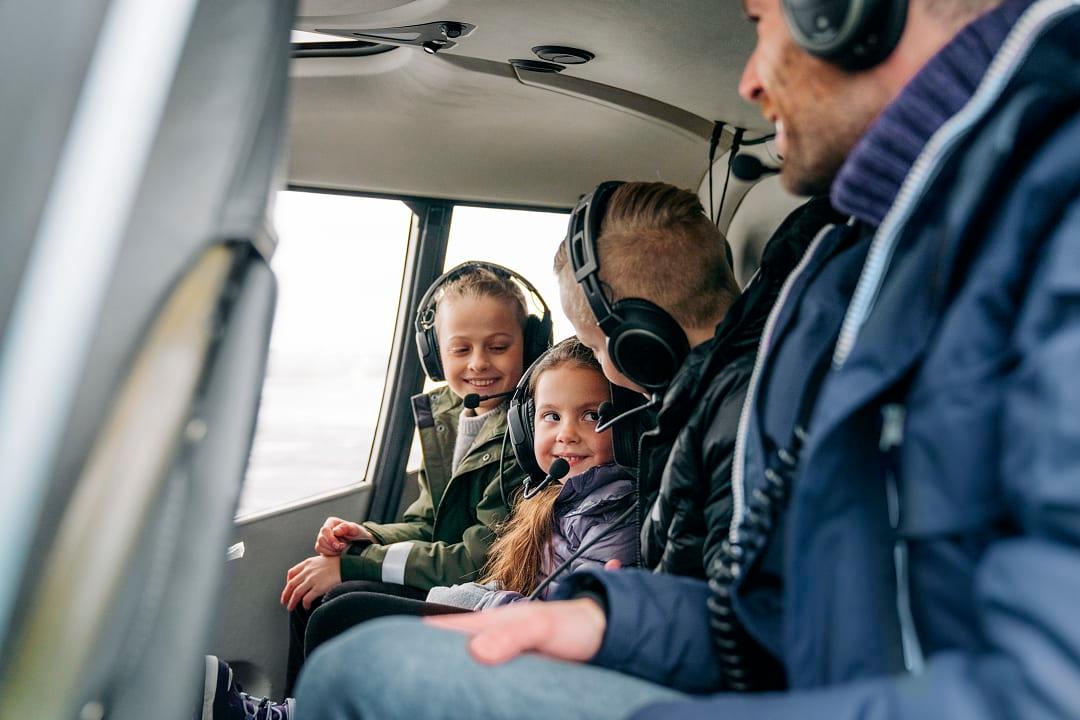
A father and his two young children smile as they look out the window during a helicopter flight.
Helicopter Tour

You budget carefully for a week in Japan, booking flights and hotels yourself to save money. You arrive in Kyoto to find your hotel is 20 minutes from everything you wanted to see, the ryokan you read about is fully booked, and the one "unmissable" restaurant turned out to have a tourist set menu you could have found anywhere. The trip is fine. But fine is not what you saved up for. A destination specialist doesn't just protect your budget; they protect what your budget is for.

  • Smart upgrades: You hesitate over the helicopter transfer as it feels extravagant. Your specialist tells you it's the moment every family they've sent remembers first. You book it. Twenty minutes in the air, your children pressed against the glass, you understand exactly what they meant.
  • Inclusion perks: The two hotels look identical in price until your specialist points out that one includes daily breakfast, a spa credit, and a room category that would otherwise cost hundreds of dollars more. The "cheaper" option was never cheaper.
  • Time as currency: You don't queue at the Vatican. You don't wait for a table. You don't spend 40 minutes in the wrong train car. By day four, you realise you've done what most visitors struggle to fit into seven.
  • Avoiding traps: The restaurant on the corner of the famous square is beautiful and forgettable. Your specialist never considered booking it. Instead, you're at a family-run table two streets back, eating food that tastes like someone cared, paying less, and remembering more.
  • Transparent advice: You ask about upgrading to a particular island that's been everywhere on social media this year. Your specialist tells you honestly that it's overcrowded now. They suggest somewhere quieter. You trust them and it turned out they were right.

Maximize the value of your travel investment by planning your budget with a Zicasso destination expert. For more details, see How to Plan Your Zicasso Budget in 3 Steps.

Conservation and Community

Two people in a safari vehicle look out at the vast green landscape of a private conservancy at dusk.
Private Safari in Botswana

You arrive at a wildlife reserve excited to see animals. The safari vehicle crawls forward in a line of others, engines idling, guides speaking in the same hushed tones about the same sleeping lion. You take a photograph that looks just like everyone else's. Then you leave, but something feels amiss. Instead, arrive at a private conservancy at dusk. Your guide, who grew up on this land, explains quietly that the elephant herd moving through the acacia ahead has been studied here for 30 years. Your stay, he tells you, funds the anti-poaching unit that protected them last season. The animals are indifferent to you. You are a guest in their world, not a customer at a spectacle.

  • Ethical wildlife: Your specialist won't book the elephant ride that looks charming in photos. Instead they'll put you in a hide at dawn, watching a family of wild dogs nurse their pups — an encounter that would have been impossible to find on your own.
  • Cultural respect: You arrive quietly, on a weekday morning, introduced through a local contact who knows the family. You sit in someone's home and drink tea. Nothing is performed for you, and that's precisely what makes it unforgettable.
  • Local economy: The lodge your specialist books is owned by the family who has lived on this land for three generations. Your guide grew up here and the cook sources from the farm next door. The money you spend stays in this valley and you can feel the difference in the way everyone moves through their work with pride rather than obligation.
  • Sustainable stays: The eco-lodge has no television and impeccable linen. The solar panels are invisible and the plunge pool is perfect. At night the sky is completely dark. Your specialist knew nothing about the experience would feel like a compromise.
  • Giving back: If you want your journey to leave something behind, your specialist can arrange a morning at the community school your lodge supports or the weaving cooperative whose work you saw on the wall at dinner. These encounters feel earned rather than staged.

Long-Term Travel Relationships

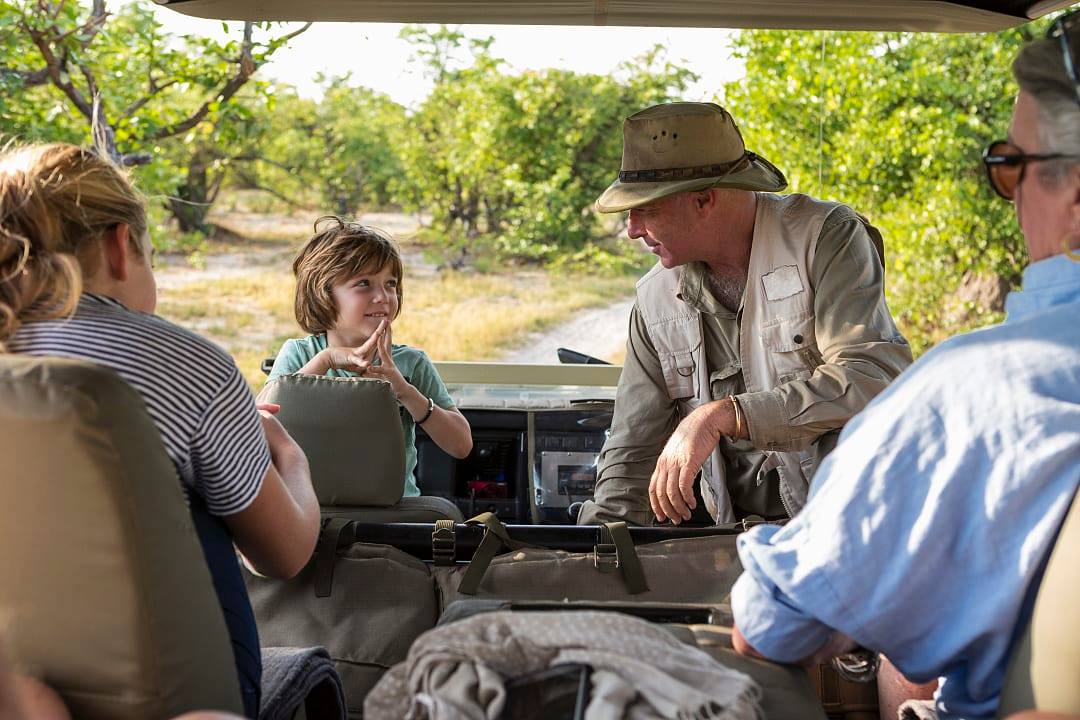
Safari vehicle smile while talking with a guide.
Family Safari in Botswana

You can book a one-off trip with almost anyone. What changes your travel life is having someone who remembers that your child loves astronomy, that you prefer trains to planes, and that you once cried at a particular view in the Dolomites. Many booking channels treat each itinerary as a standalone transaction; destination specialists tend to think in chapters. Each journey becomes smarter and more intuitive because it builds on years of understanding your preferences, memories, and milestones.

  • Legacy travel:  Twenty years from now, your daughter might stand in the same courtyard in Siena where she watched the Palio horse race at age nine and want to show her that view. A specialist who has traveled with your family across the years becomes the architect of that experience. You cannot buy this type of continuity.
  • Memory stewardship: Your specialist remembers the hotels you adored, the guides your children bonded with, and the moments that moved you most. So when you return to Portugal three years later, you arrive to find the same guide waiting, the same corner table booked, and a new itinerary that picks up exactly where the last one left off.
  • Life milestones: Your mother turns 90. Your specialist doesn't suggest a city break, remembering she once mentioned wanting to see the Northern Lights, that she tires easily in the afternoons, and that your family travels better with a private driver. The trip they design is entirely hers.
  • Evolving preferences: Ten years ago, you wanted the fastest descent and the highest altitude. Now you want the slowest lunch and the most interesting conversation. Your specialist noticed the shift before you named it and your last two itineraries reflected it.
  • Trusted advisor: When a destination explodes on social media and everyone you know is suddenly going, your specialist sends you a note. They've been there recently. The crowds have changed it. They have somewhere better in mind, a place that feels the way that place did before the world found it.

Effortless Planning and Decision-Making

A woman relaxing on a large white cushion beside a private infinity pool overlooking the sea and caldera in Santorini.
Santorini, Greece

Opening dozens of tabs, cross-checking reviews, second-guessing your choices. Planning can feel like a part-time job. Working with a destination specialist is more like a conversation: you describe what you want, they bring you a handful of beautifully aligned options.​ Many agents can present choices; a specialist filters, frames, and sequences those choices so decisions feel effortless instead of overwhelming. You retain control while offloading the heavy lift of research and logistics to someone who does this every day.

  • Curated shortlists: You don't receive a spreadsheet of 40 hotels with a note saying, “Let us know what you think." You receive three options, each with a reason: this for the atmosphere, this if you want something quieter.
  • Clear trade-offs: Your specialist lays it out plainly: the coastal villa costs more, but saves you two transfers and puts you 20 steps from the water every morning. The city hotel is more central, but noisy on weekends. Rather than pushing you away, they're making sure you know exactly what you're choosing and why.
  • Structured collaboration: They send you a draft itinerary. You read it on a Tuesday evening with a glass of wine and realise it already looks like the trip you had in your head, but couldn't quite articulate. You move one thing, add another, and write back. It takes 20 minutes. By Thursday, it's done.
  • Decision-fatigue shield: You never once think about which train to catch, how long to allow at the border, or whether Tuesday or Wednesday is better for the market. Those questions were answered weeks ago by someone who has made that journey dozens of times. By the time you land, all you have to do is show up.
  • Confidence in every booking: You don't lie awake wondering if the hotel will be as good as the photos, or whether the guide comes recommended by anyone real. Your specialist has stayed there, or sent a hundred clients there, or both. That certainty is quieter than excitement, but it travels with you the entire trip.

Plan Your Journey with a Zicasso Destination Specialist

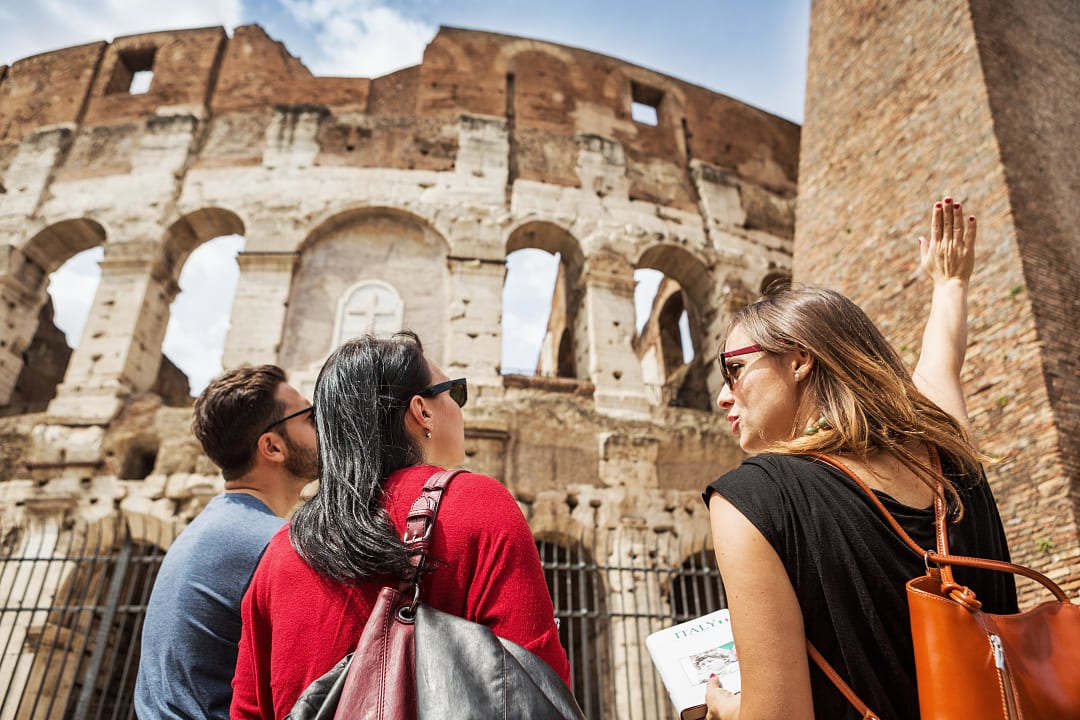
A traveler in a red shirt stands with a private guide in front of the stone arches of the Coliseum in Rome.
Rome, Italy

The difference between a good trip and a life-changing journey is the expertise behind it. By choosing a destination specialist, you are investing in connection, curation, and care. You arrive not just with reservations, but with a relationship to the places you visit.

Start your collaboration by filling out a Zicasso trip request form today and see how our experts can make your next vacation unforgettable.​

30,000+ Verified Traveler Reviews