Zicasso 2027 Luxury Travel Trends Report

Family resting on a mountainside overlooking jagged peaks and the sea on Senja island, Norway.

Senja island, Norway

Travel costs more than it did two years ago, but luxury travelers have decided it is worth it. Trip requests for 2027 departures are up 27.9% over 2026 at the same point in the planning cycle, more than five times the growth Zicasso measured a year earlier. Per-day budgets have kept pace with rising prices and, for 2027, moved ahead of them.

Zicasso's Content Team analyzed more than 100,000 trip requests to identify where travelers are headed and what moves those choices. From travelers planning Luxor around six minutes of totality on a single August afternoon to families timing Costa Rica around spring break, one pattern runs through the data: in 2027, travelers decide why they are going before they decide where.

The reasons take five forms: a destination they trust, a fixed date in the sky, the right season, the people coming along, and an experience available only a few weeks a year. Extraordinary travel begins with a human touch, and our specialists understand the details that turn your trip into a reflection of who you are. The following results of our 2027 Travel Trends Report show what we expect luxury travel to look like in the coming year.

Travelers Are Returning to the Classics with Purpose

Ancient arches of the Colosseum rise above trees in Rome, Italy.
The Colosseum in Rome, Italy

Italy accounts for 24.5% of all Zicasso trip requests for 2027, and it is the top destination for every type of traveler. Seven of the 10 most-requested destinations are in Europe, and European requests grew 28% in volume.

Italy pulled ahead faster than the market around it. Its requests grew 36%, and its share of European demand rose from 33.0% to 35.1%. Rome, Venice, and Florence are still the three most-named places in all trip requests, the classic first-trip triangle, but the movement worth watching sits farther south. Sicily is the only place among the 10 most-named whose share of requests increased, rising from 2.4% to 2.7%. Greece kept its #2 rank and grew its request volume 23%, even as faster-growing destinations took more new travelers.

The pattern demonstrates a decision travelers have already made. With Europe, they return to a destination they trust to deliver, spending their time on the regions within it. They save their appetite for something new for trips with a specific reason behind them, and the rest of this report follows those reasons.

Where Zicasso Travelers Are Headed in 2027:

  1. Italy (2026: #1)
  2. Greece (2026: #2)
  3. France (2026: #3)
  4. Spain (2026: #5)
  5. Australia (2026: #7)
  6. England (2026: #4)
  7. Japan (2026: #6)
  8. Ireland (2026: #10)
  9. Portugal (2026: #9)
  10. Costa Rica (2026: #17)

The August 2027 Eclipse Is Moving Demand to a Single Week

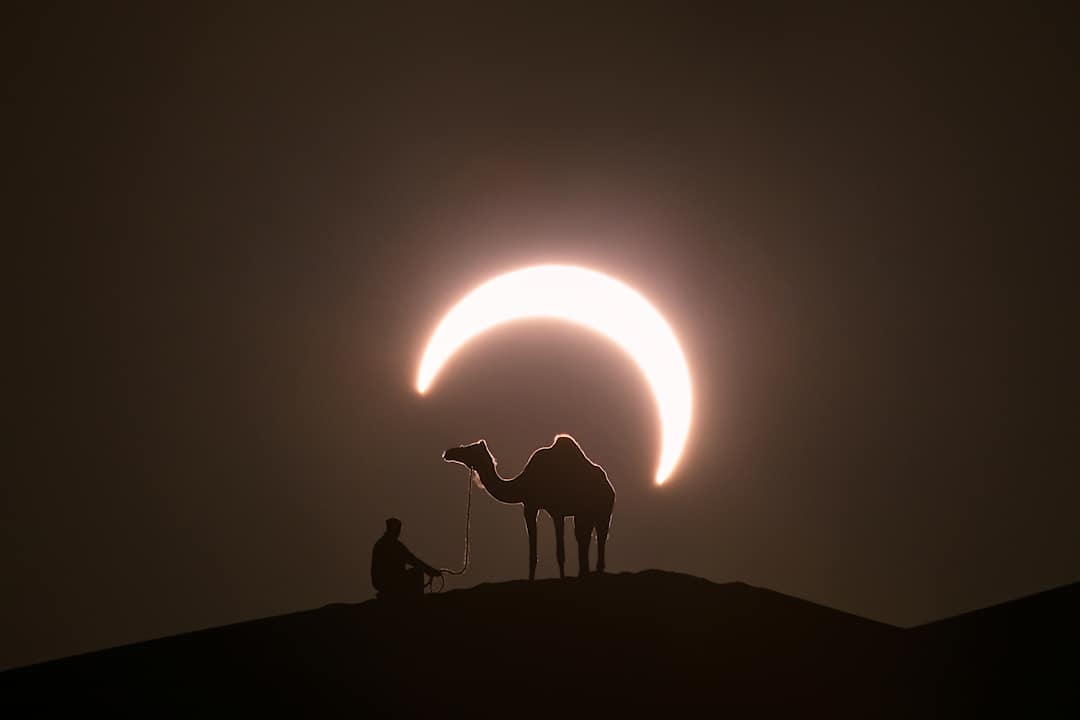
Silhouettes of a camel and a person on a desert dune beneath a partially eclipsed sun.
Solar Eclipse Over the Desert

On August 2, 2027, a total solar eclipse will cross southern Spain and North Africa, including Morocco and Egypt. Near Luxor, totality will last more than six minutes, one of the longest total eclipses of the century, and one in six Zicasso trip requests (16.5%) to countries in its path already mention it.

That is more than double the pull of the August 2026 eclipse over Spain and Iceland, which appeared in 7.5% of requests to those countries. The effect concentrates in a single month. Eclipse travelers account for 92% of July requests to Morocco and 74% of July requests to Egypt, as travelers position themselves in country before the date arrives.

The eclipse explains only part of North Africa's growth. Remove every eclipse request and Egypt still grew 175%, continuing a climb from #27 in 2025 to #16 in 2027. How travelers plan Egypt has changed too. In 2026, 48% of Egypt requests paired it with another country, most often Jordan. In 2027, that fell to 23%. Cairo and Giza, the Nile, Luxor, and Aswan now carry the whole trip.

Morocco and Spain lean harder on the eclipse. Morocco grew 93% without eclipse travelers, while Spain grew 14%, so a meaningful share of their 2027 gains is tied to one date.

The same logic, a fixed moment over a famous place, shows up elsewhere. Mentions of the Northern Lights rebounded to their highest rate in three years and appear in 62% of Finland requests. Among the highest-budget Japan travelers, cherry blossom season appears in 14% of requests.

Summer Travelers Head North, Winter Travelers Head South

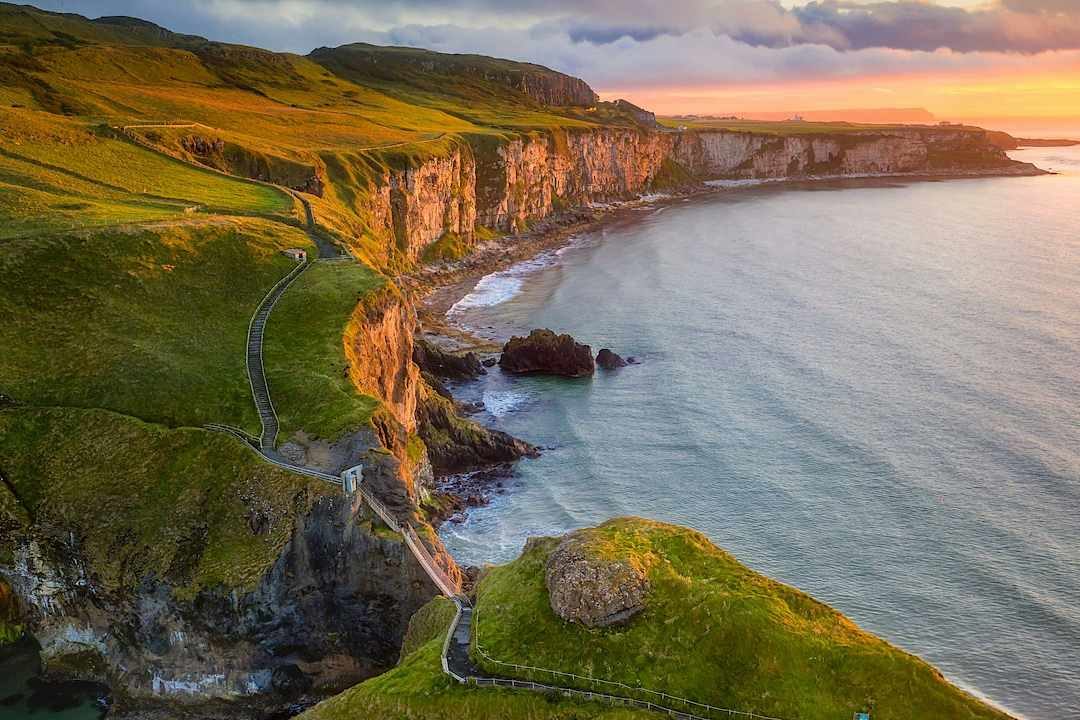
Green coastal cliffs and a winding path above the sea near Carrick-a-Rede, Northern Ireland, at sunset.
Carrick-a-Rede Coastline in Northern Ireland

For many travelers in 2027, the calendar comes first. They know when they can travel, and they choose the destination at its best in that window. In summer, that sends them north: cool destinations drew 13.2% of June through August requests, up from 8.8% two years ago, and 18.4% of August requests.

Ireland leads the shift. It climbed from #17 in 2025 to #10 in 2026 to #8 in 2027, and it is the only UK or Ireland destination that held its 2026 gains. Together, Ireland and Scotland account for more than half of cool-weather summer demand, followed by Norway and Iceland.

The Nordic countries grew from 1.0% to 2.75% of trip requests in two years, with volume up 91% in 2027. Norway grew 83%, and Finland nearly tripled.

Winter runs the opposite direction. Costa Rica's January through March requests rose 143%, family and multigenerational requests more than doubled, and the country entered the Top 10 at #10. It now draws more than two in five Latin American requests, and 93% of those requests are for Costa Rica alone. Travelers treat it as a complete trip for a specific time of year, often built around a school break.

Who's Coming Decides When and Where

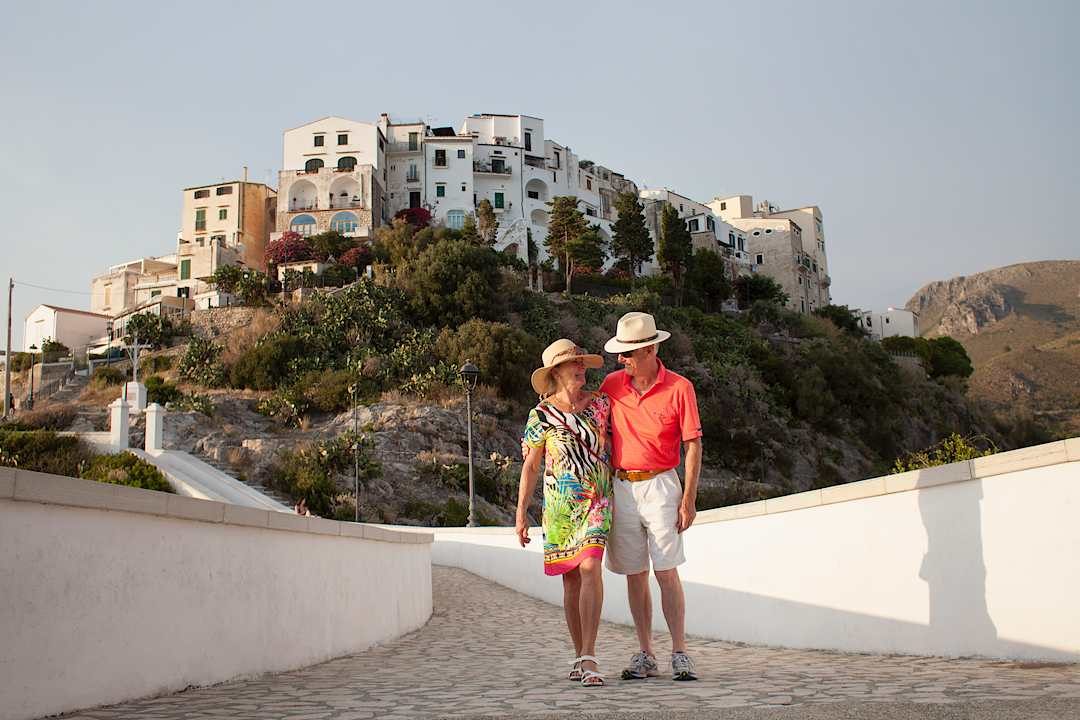
Senior couple walking hand in hand along a cobbled path beneath a hilltop village in Lazio, Italy.
Lazio, Italy

The people on the trip shape its month and destination as much as any preference for place. Couples make up 57.3% of Zicasso trip requests and lead every month, but each season has a second traveler who appears at well above their usual share. Those travelers predict where demand will tighten.

June belongs to multigenerational families, who make up 15% of June requests against 6% across the year, and 35% of them are headed to Italy. July belongs to families with children, who double their yearly share to 18%. March is spring break, when families rise to 14% of requests, and Costa Rica takes 14% of family trips that month. January is the solo month, with solo travelers at 1.6 times their usual share, and Australia and Thailand leading their choices. October belongs to couples, and Japan enters their top three.

Children’s ages reshape the trip. Interest in history and ancient sites rises from 16% of requests for families with children ages 3 to 7 to 21% at ages 8 to 12 to 23% with teens. Families with tweens choose African safaris at 1.5 times the family average and Japan at 1.35 times, the ages at which interest in wildlife and adventure peak. Families with teens head for the classics: Greece draws 17% of teen family requests, and Rome, Athens, Paris, and Pompeii are named most often by this group. Summer's grip tightens as children grow, from 34% of trips with babies and toddlers to 58% of trips with teens.

The Biggest Budgets Go to the Scarcest Experiences

Baby mountain gorilla nuzzling an adult gorilla amid forest foliage in Rwanda.
Mountain Gorillas in Rwanda

About 13.5% of 2027 requests budget USD 1,000 or more per person per day, and those travelers concentrate on experiences limited by permits, seasons, or the sky.

On safari, 35% of requests now come from this top budget tier, 2.6 times the average. Compared with other safari travelers, they are more than twice as likely to ask for the Great Migration (15% versus 6%) or gorilla trekking (14% versus 6%), and more likely to name a specific camp. In Japan, 21% of requests come from the top tier, and their requests center on food, cherry blossom season, and bullet-train travel between regions. In Iceland, 26% of requests come from the top tier, and 41% of them ask for the Northern Lights.

These travelers also plan further ahead. Requests that mention gorilla trekking or the Great Migration arrive about 440 days before departure, compared with 338 days for the typical request.

The same instinct, one clear reason for the whole trip, shows up at every budget. Farther from the headline destinations, travelers are building entire trips around a single draw. Fiji climbed 24 places, from #47 to #23, the largest rank gain we saw, and 86% of Fiji requests are for Fiji alone. Finland is planned around the aurora, the Netherlands around its museums, Denmark around its food, and Chile around Patagonia's trails, with 42% of Chile requests asking for hiking.

Travelers Are Paying More Per Day Without Shortening Their Trips

Sailboat crossing calm water beneath sunlit clouds and mountains off the Isle of Arran, Scotland.
Isle of Arran, Scotland

Comparing the same kinds of travelers going to the same regions, per-person per-day budgets, which exclude international flights, rose about 9.4% for 2027 trips, roughly 5 points ahead of the estimated rise in travel costs. Trip length and the number of countries per trip held steady.

The year before looked different. When travelers planned their 2026 trips, the dollar had weakened about 6% against the euro and European hotel and restaurant prices were up about 4%, so a 9.5% rise in budgets largely covered higher prices. For 2027, the dollar held steady, and prices rose about 4%, yet budgets climbed at the same pace. Budgets rose in Asia, Latin America, and Africa as well, which points beyond a currency effect.

Facing higher prices, travelers could have shortened their trips, dropped a country, or traded down. The data shows none of this. The typical trip has held at about 11.4 nights for three years; multi-country requests have stayed between 28% and 30%. Travelers 65 and older budget the most of any age group at USD 595 per day and make up a growing share of requests.

Frequently Asked Questions for 2027 Luxury Travel

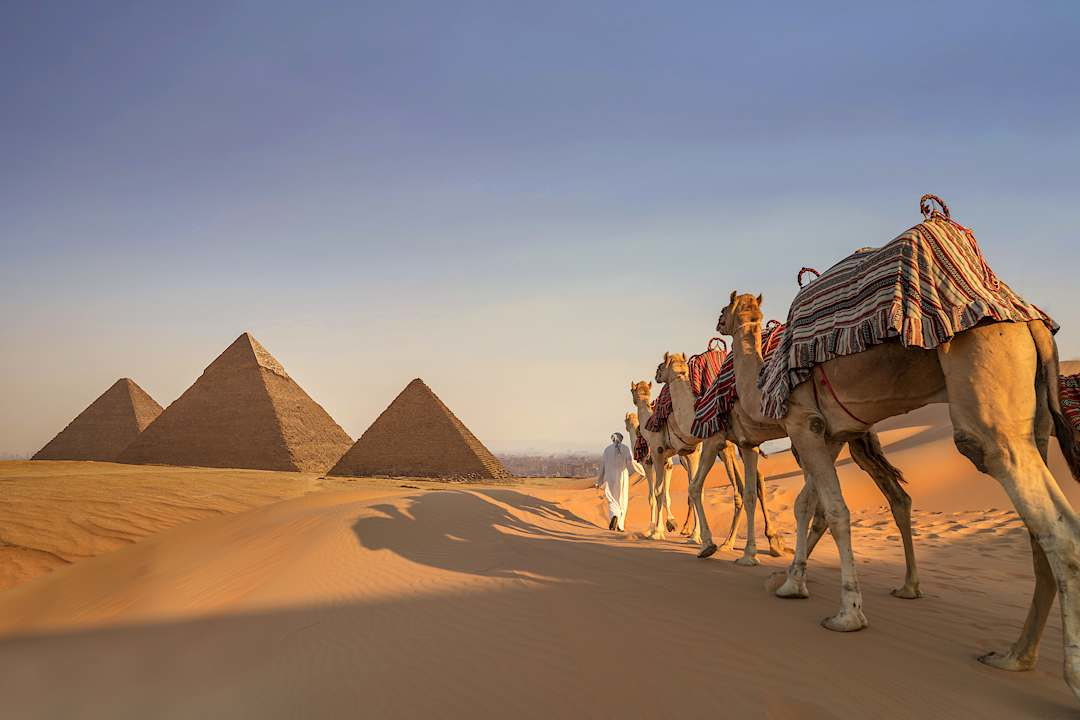
Saddled camels standing on golden desert sand beside the Pyramids of Giza, Egypt.
Pyramids of Giza in Egypt

What are the biggest luxury travel trends for 2027?

Zicasso's 2027 data shows travelers choosing a reason before a destination. Italy accounts for 24.5% of trip requests; Egypt and Morocco are rising, with an added lift from the August 2, 2027 eclipse; summer travelers are heading to Ireland and the Nordic countries; Costa Rica has become a family winter trip; and per-day budgets rose about 9% for a second straight year.

Where can you see the August 2, 2027 total solar eclipse?

The path of totality crosses southern Spain and North Africa, including Morocco and Egypt. Near Luxor, totality lasts more than six minutes, one of the longest total eclipses of the century.

Where are luxury travelers going in 2027?

The 10 most-requested destinations are Italy, Greece, France, Spain, Australia, England, Japan, Ireland, Portugal, and Costa Rica. Egypt, Morocco, Chile, and Fiji are the fastest risers outside the top 10.

How much more are travelers spending on trips in 2027?

Like-for-like per-day budgets rose about 9.4% for 2027 trips, ahead of an estimated 4.5% rise in travel costs, while trip length held steady at about 11.4 nights.

Planning Your 2027 Journey

Green and red quetzal with long tail feathers perched on a mossy branch in Costa Rica.
Resplendent Quetzal in Costa Rica

Every Zicasso trip begins with a specialist's question: Why are you going? The travel gaining ground in 2027 depends on timing and specific knowledge. An eclipse trip to Luxor depends on securing the right location for a single afternoon, often more than a year ahead. A family winter trip to Costa Rica depends on matching activities to children's ages and the school calendar. A Nordic summer depends on the season and the light.

A full version of the report can be found in our comprehensive PDF document.

Our travel specialists plan these trips from inside the destinations, with direct knowledge of the timing, access, and pacing each experience requires. If you're ready to explore how these trends might shape your 2027 travel, contact us to begin planning a journey designed around your reason for going.

37,000+ Verified Traveler Reviews